

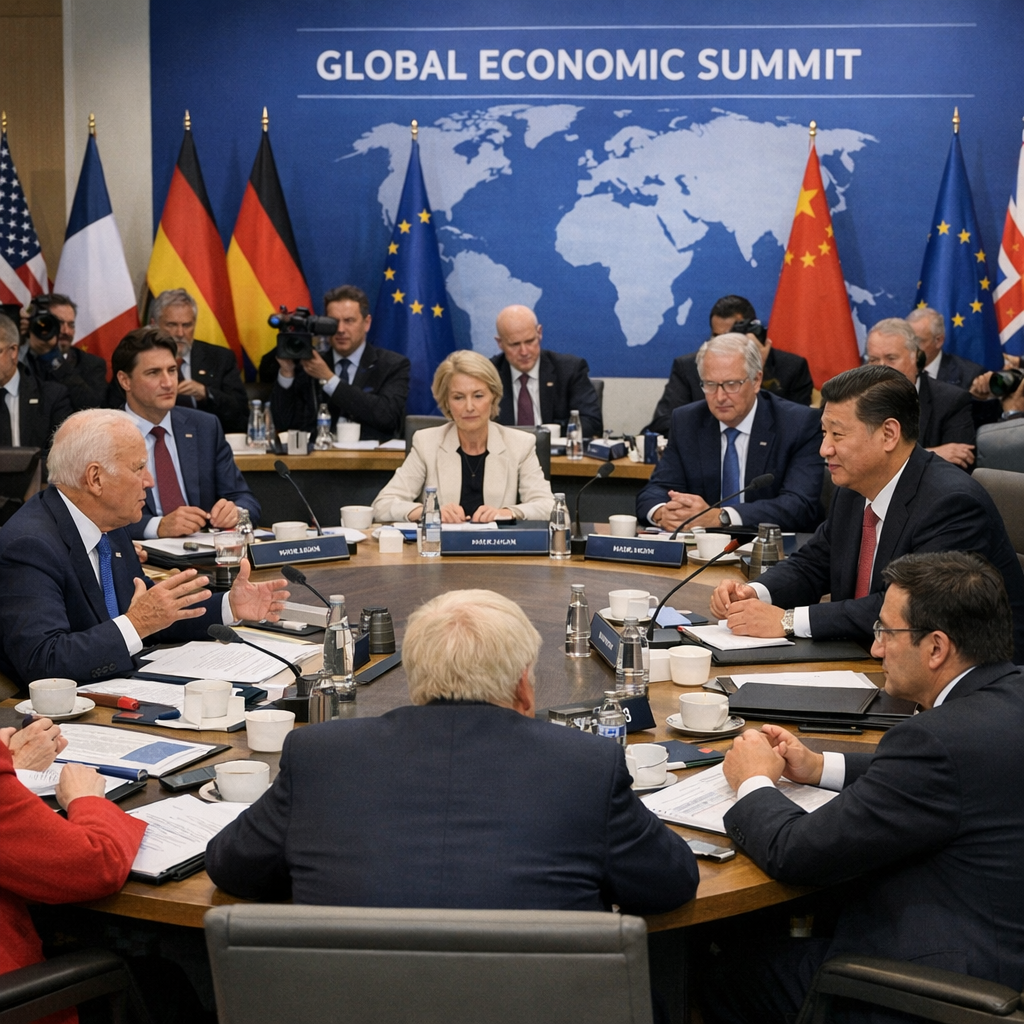
The global economy is currently navigating a complex landscape marked by resilience amidst persistent challenges. Recent analyses indicate a moderate growth trajectory, with projections suggesting a global GDP increase of approximately 2.8% in 2026, slightly down from 3% in 2025. This ‘soft landing’ reflects the economy’s ability to withstand various pressures, including geopolitical tensions and technological transformations.
Regional Perspectives
United States
The U.S. economy demonstrates relative resilience, bolstered by robust domestic energy production and significant investments in artificial intelligence (AI), defense, and energy sectors. These factors contribute to a projected GDP growth of 2.1% in 2026. However, consumers are exhibiting caution in spending due to rising inflation and unemployment rates.
Europe
Europe faces a more challenging economic environment, with the eurozone’s growth predicted at just 0.8% in 2026. Rising energy costs are severely impacting industrial output, particularly in Germany and the United Kingdom, leading to a period of stagflation characterized by stagnant growth and rising inflation.
Asia
In Asia, India stands out with a robust growth forecast of 6.5% in 2026, driven by strong domestic demand. Conversely, China’s growth is expected to slow to 4.5%, hindered by ongoing issues in the real estate sector, despite gains in green technology and AI exports.
Emerging Challenges
Economist Gita Gopinath highlights the risks posed by growing global economic imbalances, which threaten growth and fuel protectionist trends. Persistent gaps between savings and investment, particularly the U.S.’s large current account deficit financed by countries with surpluses like China and parts of Europe, are areas of concern. Additionally, the surge in stock prices, especially in AI-driven stocks, presents vulnerabilities, with the potential for market overheating.
Energy Crisis Impact
The global economy is also contending with an energy crisis sparked by geopolitical conflicts, notably in the Middle East. Disruptions in oil exports from the Persian Gulf have led to rising commodity prices and inflation, expected to reach around 4.5% globally. This crisis underscores the interconnectedness of global markets and the need for diversified energy sources.
Looking Ahead
As the world economy faces these multifaceted challenges, it is imperative for policymakers and businesses to adopt strategies that promote resilience and sustainable growth. Emphasizing structural reforms, investing in new technologies, and fostering international cooperation will be crucial in navigating the uncertain waters ahead.