

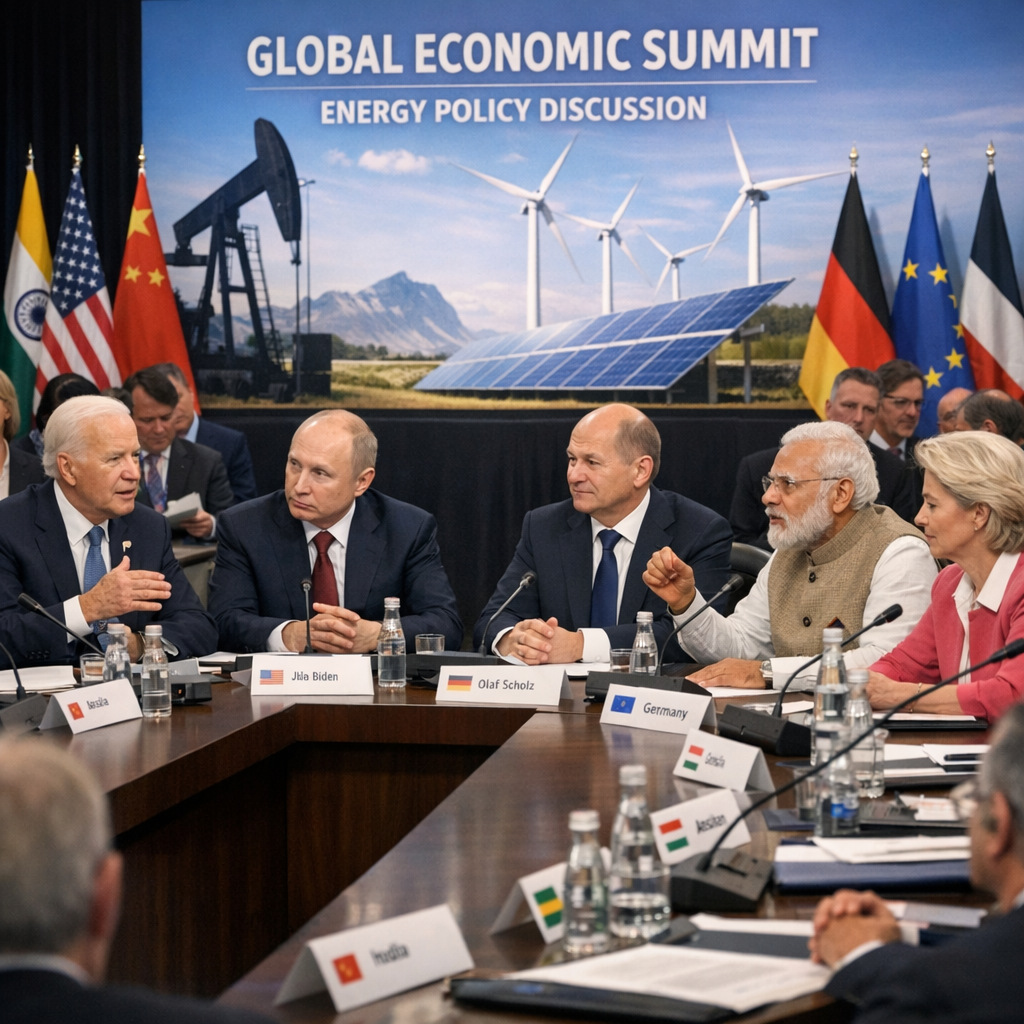
The global economic landscape is currently navigating a complex interplay of energy shocks and geopolitical tensions, leading to a cautious outlook for growth and inflation across various regions.
Energy Market Volatility
Recent conflicts in the Middle East have disrupted energy supplies, causing fluctuations in oil prices. While extreme surges have been avoided, the situation remains fluid, with potential for future disruptions. This volatility has a cascading effect on industries reliant on energy, notably transportation and manufacturing.
Global Growth Projections
According to the Organisation for Economic Co-operation and Development (OECD), global growth is projected to slow to 2.8% in 2026, down from 3.4% in 2025. This deceleration is attributed to the energy supply shock and the resulting inflationary pressures. The United States is expected to see a growth rate of 2.0% in 2026, while the euro area is projected at 0.8% for the same period. China’s growth is anticipated to slow to 4.5% in 2026.
Inflationary Pressures
The energy shock has led to higher commodity prices, contributing to rising inflation. In the G20 economies, consumer price inflation is expected to rise to 4.0% in 2026, up from 3.4% in 2025. This increase reflects the surge in global energy prices and their broader economic impact.
Policy Responses
In response to these challenges, policymakers are urged to implement targeted and temporary fiscal support measures to assist those most affected. Additionally, there is a call for improved business environments, enhanced skill development, and the adoption of transformative technologies like artificial intelligence to bolster productivity and growth.
Implications for the UAE
For the United Arab Emirates, a nation deeply integrated into the global economy and a significant player in the energy sector, these developments hold particular relevance. The UAE’s economic strategies may need to adapt to the shifting global dynamics, balancing its role as an energy exporter with the need to diversify its economy and invest in sustainable growth avenues.
In conclusion, while the global economy demonstrates resilience, the path ahead is fraught with uncertainties stemming from energy market disruptions and geopolitical tensions. Strategic policy interventions and international cooperation will be crucial in navigating these challenges and fostering a stable economic environment.