

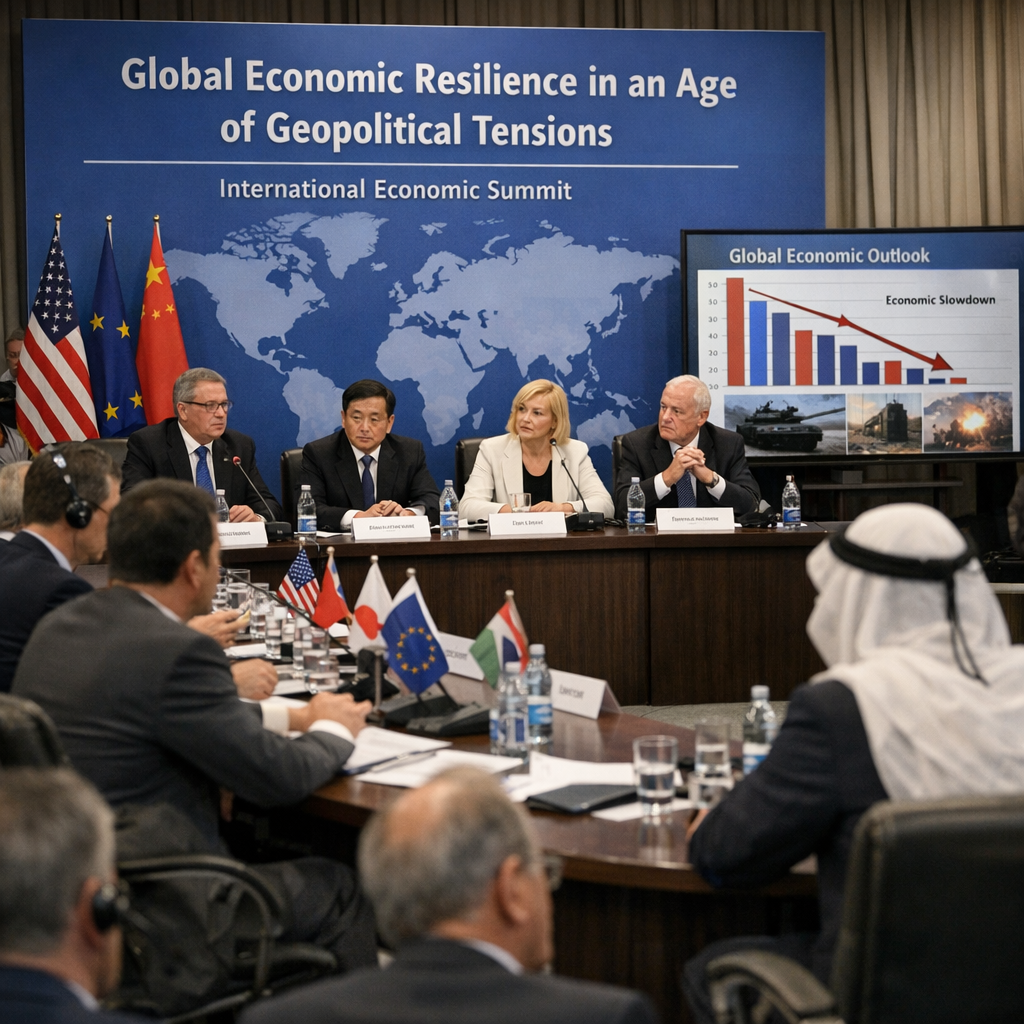
The global economy continues to exhibit resilience in the face of ongoing geopolitical tensions and policy uncertainties. Recent analyses indicate that while growth rates may moderate, underlying factors such as technological investments and consumer spending are providing a stable foundation.
Moderate Growth Projections
According to the World Bank’s latest Global Economic Prospects report, global growth is projected to ease to 2.6% in 2026 before rising to 2.7% in 2027. This outlook reflects better-than-expected growth, particularly in the United States, which accounts for a significant portion of the upward revision in the 2026 forecast. However, the report also notes that the 2020s are on track to be the weakest decade for global growth since the 1960s, highlighting the need for sustained economic dynamism.
Impact of Artificial Intelligence
Investments in artificial intelligence (AI) are emerging as a key driver of economic expansion. Morgan Stanley’s midyear economic outlook emphasizes that AI-related capital expenditures and resilient consumer spending, especially among wealthier demographics, are bolstering growth in the United States. This trend underscores the transformative potential of AI across various sectors, contributing to overall economic resilience.
Regional Variations
While the global economy shows signs of stability, regional disparities persist. Europe faces challenges due to its energy dependencies, with growth projections indicating slower expansion compared to other regions. In contrast, parts of Asia, particularly India, are experiencing robust growth driven by strong consumer demand. These variations highlight the importance of tailored economic policies to address region-specific challenges and opportunities.
Policy Recommendations
To navigate the complexities of the current economic landscape, experts advocate for coordinated policy measures. The World Bank emphasizes the need for policies that enhance economic dynamism and resilience, cautioning that without such measures, the global economy may face prolonged periods of sluggish growth. Additionally, the OECD recommends timely and targeted government interventions to support households and businesses most in need, while promoting energy diversification and sustainability.
In conclusion, despite the headwinds posed by geopolitical tensions and policy uncertainties, the global economy demonstrates a remarkable capacity for resilience. Strategic investments in technology, coupled with prudent policy measures, are essential to sustaining this momentum and addressing the challenges ahead.