

The global economy has demonstrated remarkable resilience in the face of recent geopolitical challenges, including trade tensions and regional conflicts. Projections indicate a steady growth trajectory, with global GDP expected to moderate to 3% in 2025 and 3.2% in 2026, before stabilizing in 2027. This growth is supported by resilient consumption and capital spending, particularly in sectors like artificial intelligence (AI) and technology investments.
In the United States, consumer spending and capital expenditures on AI are likely to drive moderate growth as global inflation slows. However, the outlook remains fragile due to factors such as geopolitical risks, volatile oil prices, and weak public finances in major economies.
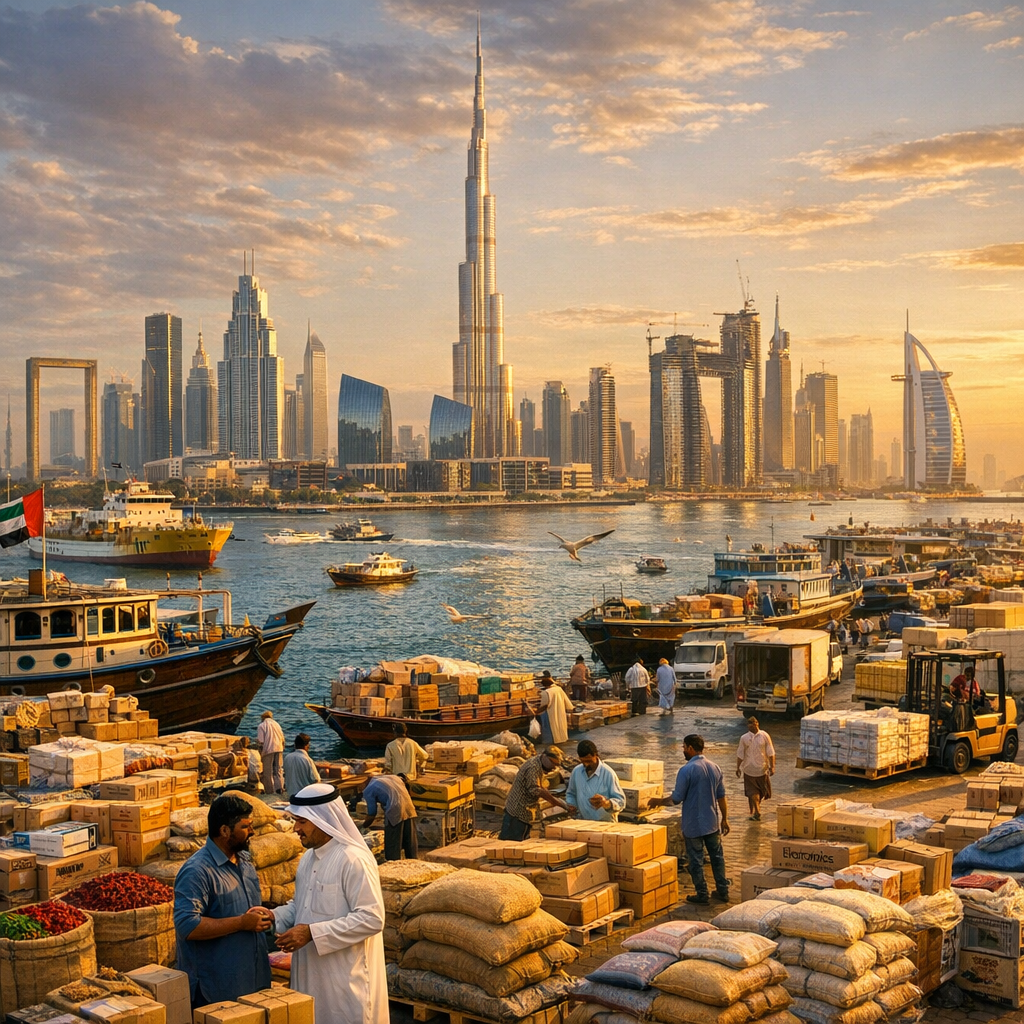
For Dubai, these global trends present both challenges and opportunities. The emirate’s strategic location and status as a global trade hub position it to capitalize on shifting trade patterns and increased demand for technological innovation. By investing in AI and other emerging technologies, Dubai can enhance its competitive edge and drive economic diversification.
Moreover, Dubai’s proactive approach to economic policy, including initiatives to attract foreign investment and foster a business-friendly environment, will be crucial in navigating the uncertainties of the global economic landscape. By leveraging its strengths and adapting to global trends, Dubai is well-positioned to sustain its growth and continue its role as a key player in the global economy.