

By Layla Al-Mansoori
Escalating Conflicts and Their Global Ripples
The recent intensification of hostile engagements in the Middle East—especially involving Iran and its regional neighbours—has had effects far beyond the Gulf. Disrupted shipping through the Red Sea and Strait of Hormuz is pushing insurance costs up and creating volatility in energy markets globally. The UAE, while maintaining domestic calm, remains on heightened alert and is strategically engaged in diplomatic responses to safeguard its economic and security interests.
Trade and Economy Under Strain
As conflicts expand, global trade routes are under threat, particularly those critical for oil and gas supply chains. The increased instability is contributing to rising transportation costs and uncertainty for importers and exporters. These risks are compounded for regional economies that depend heavily on these passages, including the UAE.
Climate Action and Finance: Commitments Versus Realities
Amid urgent warnings from climate experts, global financing efforts are being weighed for credibility. Despite accords and pledges made at recent conferences—including at COP28—significant gaps in funding persist. Developing nations are especially impacted, facing challenges in transitioning to sustainable infrastructure without sufficient support.
The UAE’s Role as a Bridge Builder
The UAE has emerged as a leader in climate finance, championing frameworks for international cooperation and managing financial tools that balance environmental goals with economic pragmatism. Important targets—such as mobilising sustainable finance in collaboration with global partners—show the country’s ambition. Domestically, initiatives to adopt standards for greener investments and enhance climate-related disclosures signal a shift toward stronger institutional accountability.
Widening Gaps: Developed vs Developing Nations
Global economic reports warn that while some countries are navigating transitions to AI, green tech, and renewable energy successfully, many others are being left further behind. Inflation in rich economies, debt burdens in poorer states, and uneven investment in strategic sectors are creating stark divides. These disparities not only challenge global stability but also hamper collective progress toward shared goals like sustainable development and peace.
Why Multilateralism Matters More Than Ever
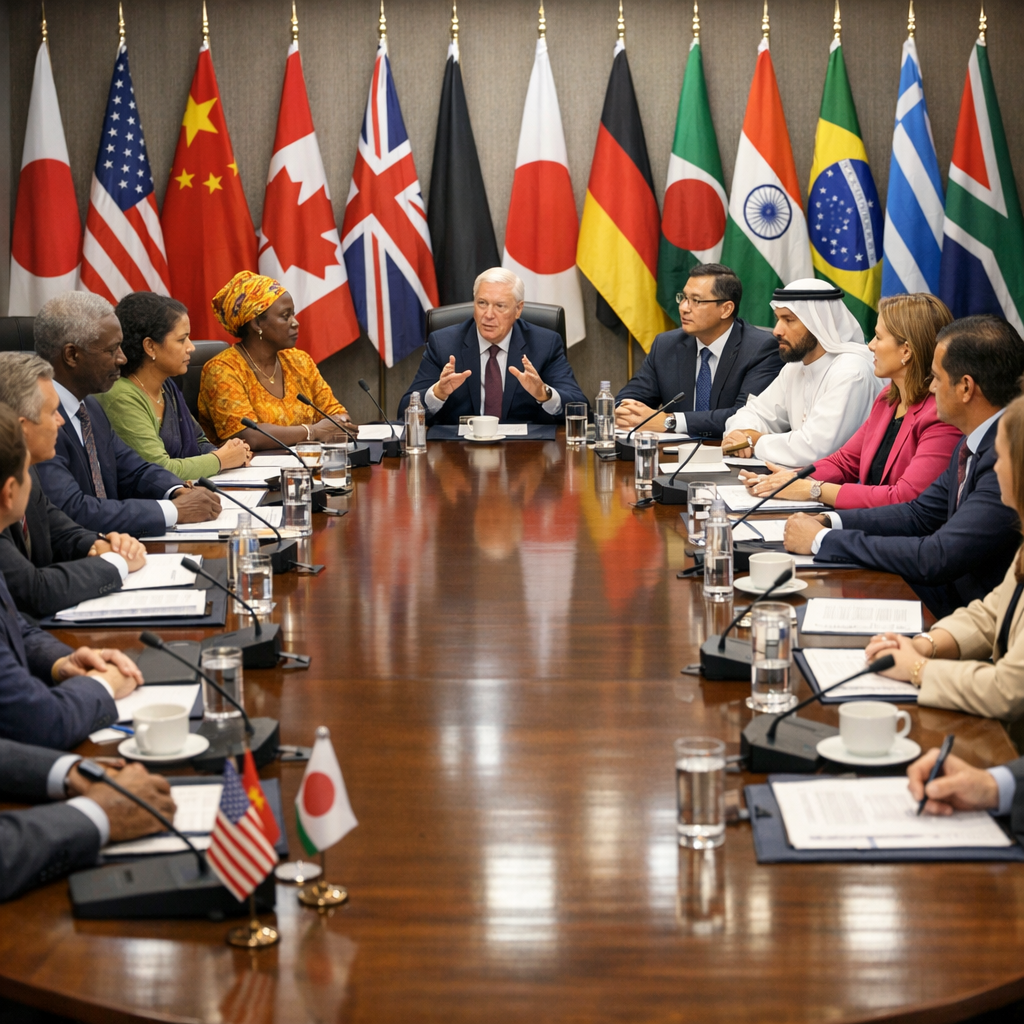
To address conflicts, climate crises and inequality, robust international cooperation remains essential. Policies that are predictable, financing instruments that reach the most vulnerable, and governance structures that adapt quickly are among the building blocks for a more resilient global order. For Dubai and the wider UAE, navigating this path requires both assertive diplomacy and clear strategy.
The world stands at a crossroads where security, sustainability and inclusivity are deeply intertwined. How nations—whether powerful or not—respond today will shape the social, economic and environmental landscape for years to come.