

In an interconnected world, trends thousands of miles away reverberate here in Dubai and beyond. Three powerful forces are currently reshaping global life: water scarcity, the rise of renewables overtaking fossil fuels, and evolving patterns of migration. Understanding these trends matters: they impact food, energy security, displacement, policy and daily life.
1. Water Stress and the Emerging Crisis of Water Bankruptcy
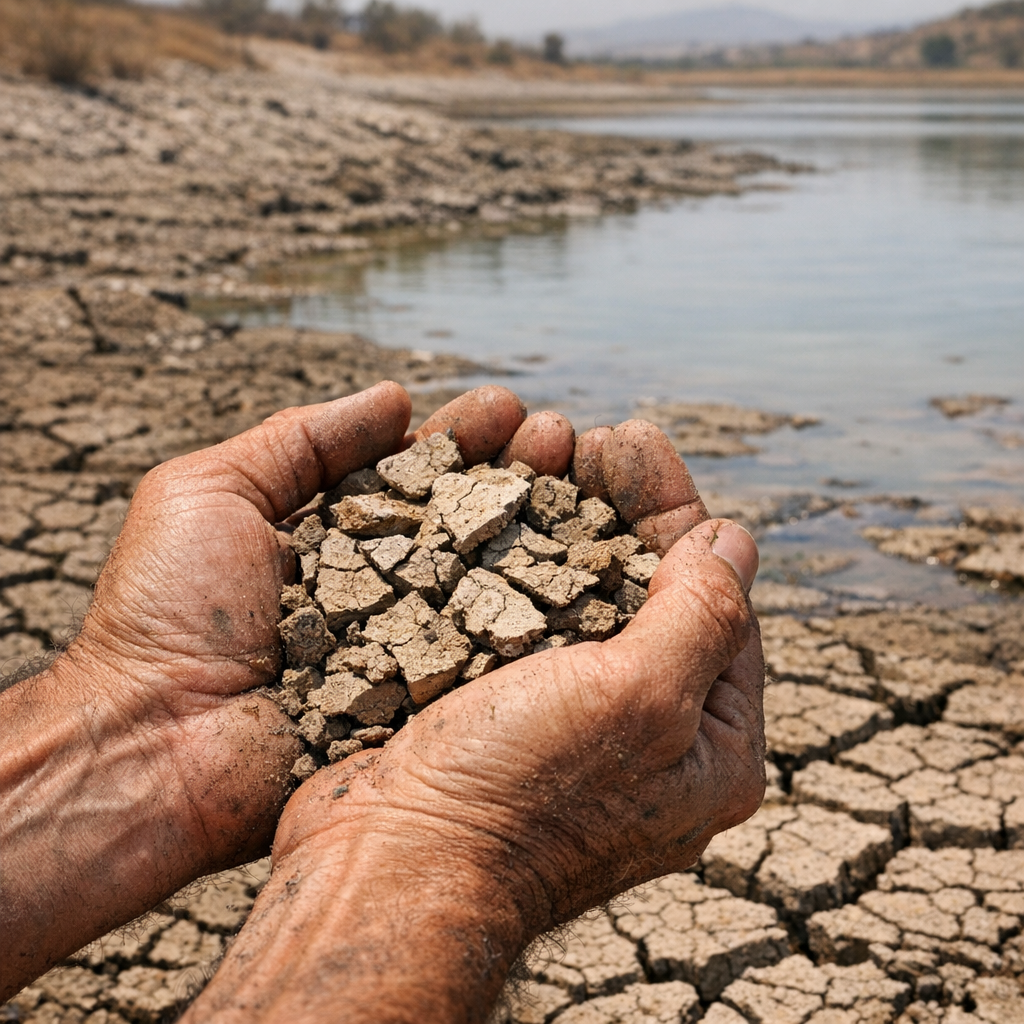
Water scarcity is no longer a looming threat—it’s a reality for billions. Around four billion people endure severe water scarcity for at least one month each year. The United Nations reports that world water stress has stayed around 18% since 2023, and vast regions face high to critical water stress, sometimes exceeding 75%. These challenges are rooted in climate change’s disruption of rainfall, pollution of freshwater resources, and overuse driven by agriculture and urban growth. Efforts to improve access to clean water, sanitation and hygiene continue, but projections show we won’t meet global targets until nearly three decades from now unless urgency increases.
The concept of “water bankruptcy”—first formally adopted in international circles this year—captures where water demand outstrips replenishment to a degree that threatens irreversible ecological damage.
2. Renewables Gain Ground—Energy Systems Under Transformation
2025 and early 2026 mark record-breaking growth for clean energy. Renewable electricity generation surged nearly 10% in 2024, reaching nearly a third of global electricity supply. For the first time, global electricity demand was met more by renewable sources than fossil fuels. Solar PV became the single largest technology in installed capacity globally. Major contributors include China, India, and regions across the Middle East and Africa that are rapidly expanding their clean energy portfolios despite financial, technical and policy hurdles.
This shift brings both opportunity and risk. On one hand, lower carbon emissions, more resilient grids, lower energy import dependencies. On the other, volatility in energy pricing, supply chain disruptions, and the need for significant infrastructure investment—especially in regions where grids are weaker or regulations lag.
3. Migration’s Changing Shape: Why People Move, and Where
People continue to move—by choice and by necessity. By mid-2024, there were about 304 million international migrants globally. Yet most migration is internal. Displacement due to conflict, and weather-related disasters, is rising: more than 83 million people are internally displaced.
Underlying drivers—climate change, economic inequality, demographic shifts—remain deeply embedded. Some countries are expanding legal pathways for migration or managing diaspora ties; others are tightening border controls or deterrence policies.
Intersecting Challenges and Local Resonance
In Dubai and the UAE, these global trends show up in water demand, energy mix innovation, and the makeup of expatriate communities. While the region leads in solar investment and water desalination, it is not immune: climate change-driven heat stress, groundwater depletion, and supply vulnerabilities require forward-thinking strategies. Likewise, migration patterns feed into labor markets, cultural exchange, and social systems.
What Can Be Done?
- Invest in integrated water management: protecting ecosystems and building infrastructure for reuse, treatment, and efficient delivery of freshwater.
- Accelerate clean energy deployment with supportive policy, grid upgrades, and finance tailored to emerging and developing markets.
- Enhance migration policies that protect rights, expand safe mobility paths, and invest in resilience where displacement is climate-triggered.
These trends are global in scale but intimate in impact. They shape food on our tables, power in our homes, and the faces in our neighborhoods. We cannot wait for tomorrow’s news—action is needed today.