

By Ali Al-Ameri
Dubai is often seen through its iconic skyline, luxury shopping, and tourism brochures. But those sweeping visuals miss the rhythms and stories of people who live, work, and belong here. As someone who’s watched this city grow and change from many angles, I believe the true heartbeat of Dubai is found in its unnoticed moments—where people make it home in unexpected ways.
The Patchwork of Where We Live
Drive around the city and the differences are everywhere. There are expats carving out lives in places like Marina, JVC, and Al Barsha, where rentals remain closer to apartment-living norms. Then there are families—many Emirati, some not—settled in the villa suburbs: Nad Al Sheba, Al Mizhar, Al Warqa, Al Twar, Mirdif. These areas show a different pace of life: quiet streets, family homes, deeper connections with neighbours and routine. The urban design, housing options, and community mix you walk into shape your day more than any advertisement ever could.
Loving Dubai, But Wrestling With What Stays Behind
Many of us love Dubai for its safety, its efficiency in public services, and the sheer variety of food and culture. It’s widely appreciated how easy it is to settle without knowing Arabic, and how neighbours from different nations become part of your daily tapestry. But there’s also frustration—and it’s not just about the price tag. Rising rents, heat and air quality during summer, and feelings of displacement are becoming more common. What once felt like an adventure started to feel like gears in a machine.
“Permanently temporary”—the Expat’s Paradox
Here’s something I’ve noticed: expatriates often describe themselves as “permanently temporary.” Even after years, after building routines, friendships, family life, there remains a sense of impermanence—visa uncertainties, if one wants to buy property, what kind of life one can build long-term. There are gains: stability in many public services, quality healthcare and education. But alongside comes the feeling that home might be somewhere else one day.
What Mourning the Quiet Means
We also hear locals remembering older Dubai: the slow drives, fewer people, sandier skies. Many miss the times when getting from A to B didn’t involve traffic, when friendships formed not just through work but through chance-meetings in neighbourhoods. Now, with the city constantly building, expanding, changing, there’s nostalgia for the quieter corners—distinct cultural rhythms, open community spaces, evenings outdoors without air-conditioning. And yet, those who say this aren’t just looking back; they’re also voicing what’s missing in the present: green spaces, more natural shade, easier connections to neighbours, less reliance on cars. It’s about layering in what feels human as Dubai grows.
Small Acts That Shape Belonging
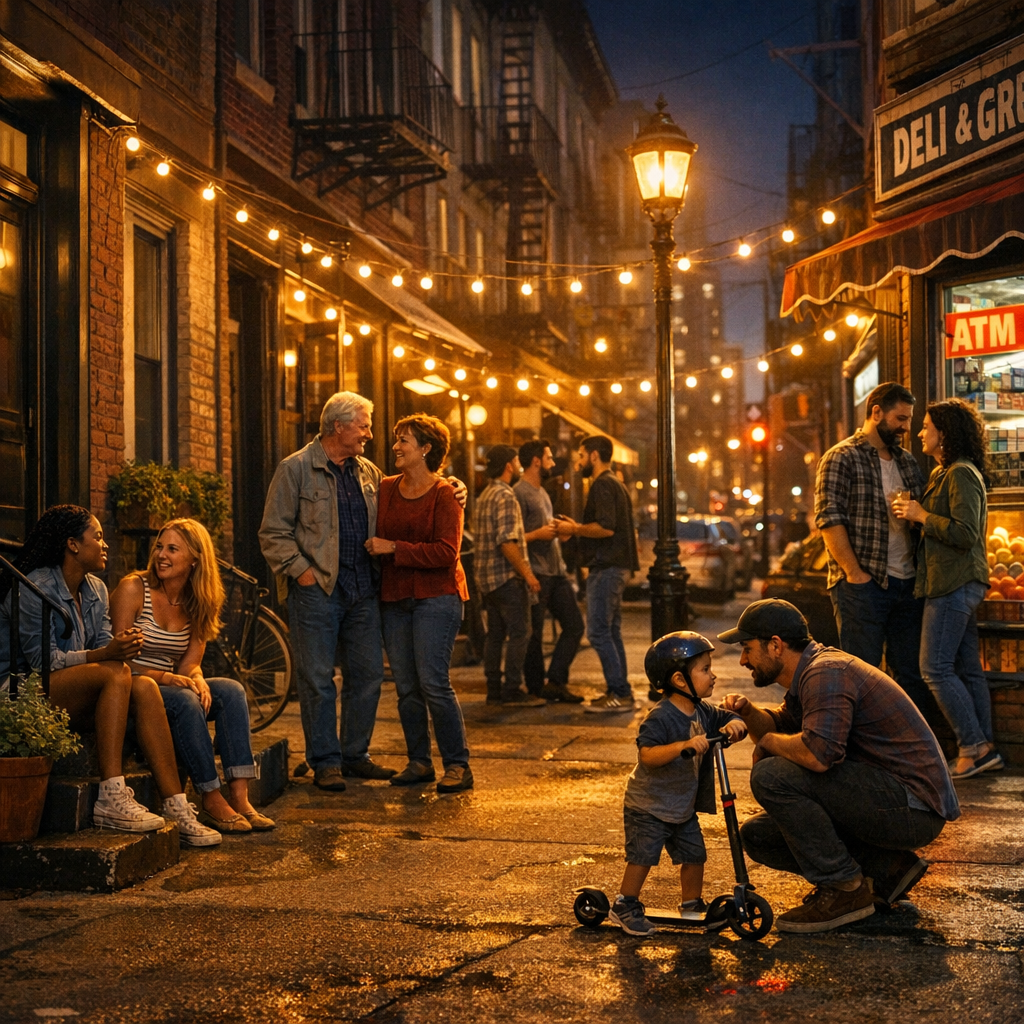
Here’s the magic: belonging often comes from small, everyday things. The shopkeeper who remembers your tea order; the majlis, still alive in homes though evolving; family gatherings at parks; cultural customs quietly upheld by people who want to bridge tradition with modernity; neighbours helping each other during heatwaves; choosing areas that don’t just look good in Instagram posts but feel livable.
Looking Forward—What We Can Keep, What We Can Build
- Designing public spaces with community in mind: shaded walkways, gathering spots, trees. Spaces where people linger, not just pass through.
- Supporting affordability—not just housing, but services, schooling, transport—that allow families and individuals to stay without constant upheaval.
- Preserving culture in daily life—language, festivals, spaces to observe tradition—all while welcoming the new.
- Rethinking infrastructure with human scales: transit that doesn’t isolate, cooling that doesn’t consume, neighborhoods where the car isn’t the only option.
Dubai is more than destinations; it’s stories—small, layered, often messy. I believe this city belongs to each of us who moves through it, each of us who pauses, who plants roots or watches others do so. If this city is to remain more than skylines, more than icons, then it’s in those moments we choose to slow, to connect, and to shape what our home really means.