

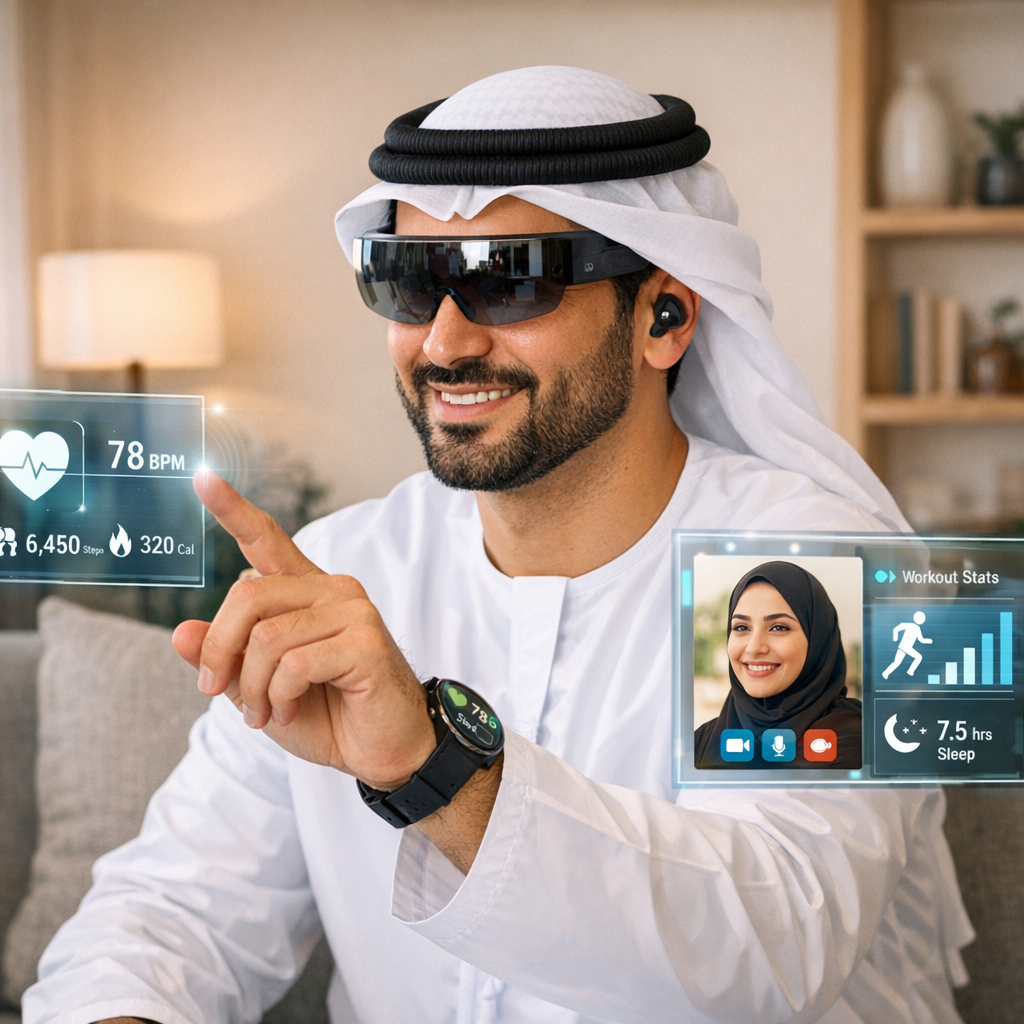
Dubai’s technology scene is no longer just about extravagant towers and visions—it’s rooted in things that affect how we live, work, and move every day. From local AI startups transforming banking and healthcare to smart devices becoming routine in homes, tech is shifting gears in subtle yet powerful ways.
Startup innovation under the radar
Among the most exciting aspects of Dubai’s tech ecosystem are its AI startups. Over the past few years, companies founded here have raised hundreds of millions of dollars to build solutions that solve real-world problems. One example is an Abu Dhabi-based group focused on data and cloud infrastructure, which today powers predictive tools for sectors like energy and finance using research capacities and partnerships with global tech firms. Another Dubai startup raised a large seed round this year to expand a platform that helps businesses make better customer decisions through AI-powered insights. These fundraises are indicators not of hype, but of growing maturity in the market. Their applications reach into healthcare billing, insurance, property investment, and more.
Government pushing for AI in services
Dubai and the wider UAE government aren’t just backing AI startups—they are embedding AI directly into how services are delivered. A federal initiative approved recently commits to transforming at least half of all government services towards operating on “agentic AI” models. That includes everything from citizen services and business-sector interactions to healthcare, with an emphasis on data governance, ethics, and training thousands of government employees. The shift signals that AI isn’t just a tech industry gig; it’s now part of the public service framework.
Smart homes, smarter daily routines
Just as business systems are getting wired with AI, people’s homes are feeling the change too. Smart devices are not luxuries—they’re practical tools. In Dubai and across the Gulf, smart thermostats, lighting, security systems, and appliances are increasingly integrated into home routines. What’s changed is the expectation: technology should harmonize with cultural practices, family rhythms, and even spiritual life. Homes are becoming immersive and healthier, with intelligent air quality sensors, touchless faucets, and AI-enabled wellness wearables.
Health, wellness, and AI gadgets
Wearables have matured beyond fitness trackers. They now monitor sleep quality, heart rate variability, even detecting early signs of medical issues. AI-driven features in health gadgets—smartwatches, earbuds—that personalize insights are helping people make decisions about rest, stress, and activity. For many Emiratis and residents alike, these gadgets act as digital companions, discretely improving comfort and wellbeing.
What this means for everyday life in Dubai
In practice, this tech transformation shows up in small but meaningful ways: less time waiting at service centers, more proactive healthcare, more responsive homes, and more local startups solving local problems.
- Faster, smarter government interactions—renewing documents, accessing benefits, managing utility services—with AI streamlining forms and approval workflows.
- Health tracking that warns users early rather than reacting late, plus more telehealth support driven by analytics tools.
- Home devices that work together: right temperature, optimal lighting, cleaner air without lifting a finger.
- Fintech apps and customer-service bots that understand Arabic and local context, customizing experiences instead of translating foreign templates.
- Younger generations finding opportunities in tech: jobs building sensors, data models, or ethical frameworks, not just consumer-facing apps.
As Dubai’s tech ecosystem grows, what matters most are these layers of usefulness. It’s not about the flashiest gadget or biggest funding round—it’s about technology making daily life smoother, fairer, and more comfortable. And that’s the quiet revolution unfolding in neighborhoods, homes, and workplaces right now.