

By Fatima Abdullah
Dubai is known for its ambition, skyscrapers and international flair. What many might not always notice is how technology—especially AI, startups and gadgets—is steadily becoming part of our everyday routines here. It no longer feels futuristic. It’s just life.
AI in daily touchpoints
You might not always see it, but artificial intelligence (AI) is embedding itself into regular tasks. For example, robot delivery units are no longer just in pilot phases. In Sobha Hartland, service-providers are using small pavement robots to deliver orders from restaurants and shops. Meanwhile, fast-track security lanes at airports with facial recognition or biometric processing are speeding up arrival and departure for travellers.
In government services, AI supports platforms such as “agentic AI”—systems that proactively respond when you submit applications, renew residence visas, or access document services. Rather than waiting for human processing, AI helps route and process requests faster.
Healthcare, wellness and work
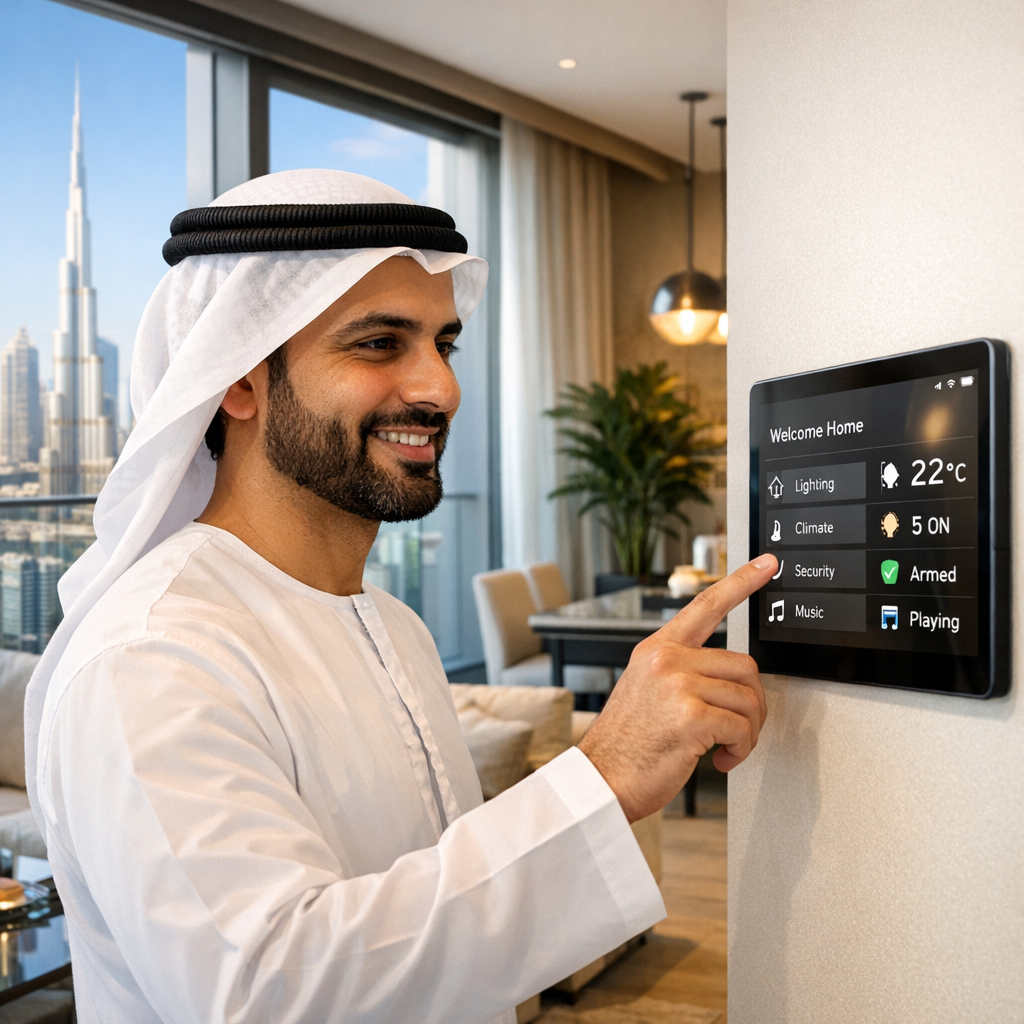
Wearable devices and apps are enabling many in Dubai to track wellness indicators like sleep, stress and activity levels. Some company wellness programmes now include AI elements that offer health nudges, personalized indoors or outdoors activity suggestions, and reminders. In many offices and homes, voice assistants manage lighting, temperature, or appliances to reduce energy use and improve comfort.
Startups turning ideas into tools
Dubai is rapidly growing as a hub for AI-focused startups. Local ventures are developing platforms in voice technologies, generative media, logistics automation, and customer support tools. These firms are translating investment and government enthusiasm into products that affect how people work, shop and communicate.
One example: automotive–retail tech companies using AI-powered tools to help with car searches, pricing, financing options and documentation, streamlining buying and trading processes for residents.
Gadgets bridging gaps and boosting convenience
On the tech product side, Dubai residents are gravitating toward gadgets that promise more than novelty. Popular categories include foldable smartphones, health-focused wearables, “adaptive earbuds” that adjust to ambient sound, AI-enabled laptops, and connected-home devices that can be managed via apps or voice—even remotely when travelling.
Shops often emphasize that regional compatibility matters. Battery life, Arabic-language support, local warranty and after-sales services are no longer optional—people expect these for devices to truly improve everyday living.
Challenges and balances worth noting
With all this change, there are trade-offs. Privacy, data protection and ethical usage of AI are rising concerns. When devices listen, cameras work and platforms collect data, the rules about what’s collected, how it’s stored and who sees it become really important. Regulations are catching up as the UAE and Dubai establish policies around AI, data sovereignty and responsible innovation.
Also, there’s a gap between having access to technology and reliably benefiting from it. Factors like internet connectivity, affordability, the digital skills of users—and sometimes just awareness—can determine whether a gadget or service makes life better or ends up underused.
Looking ahead
As AI labs, government strategy programmes and tech startup ecosystems continue expanding, what matters will be whether services become smoother, tasks become easier and quality of life improves in real, tangible ways. Dubai’s goal of a connected, smart city rests less on flying cars and more on whether you get your visa renewed with less effort, find your ride faster, sleep better because your gadgets sense the heat, and live knowing that technology is helping—not complicating.