

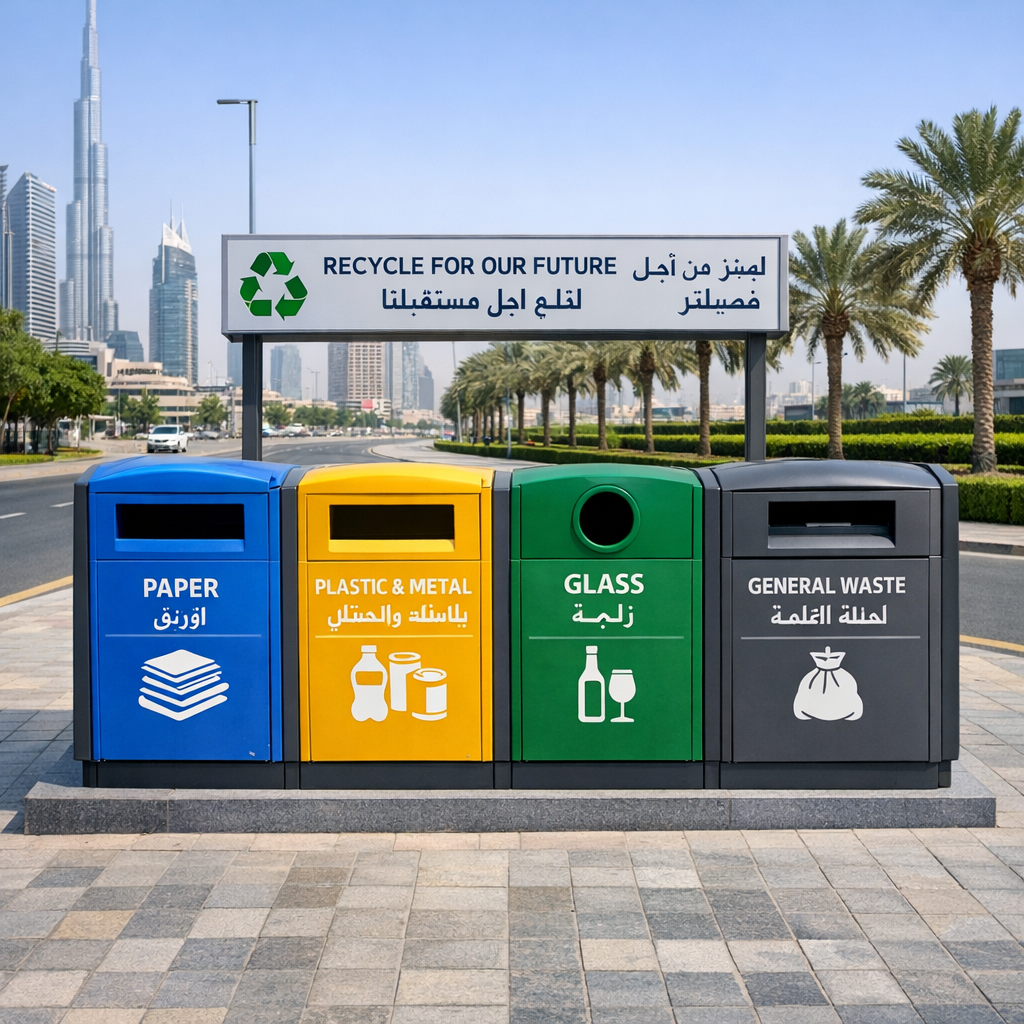
Dubai has introduced sweeping changes in waste management that are already affecting how people live in their neighbourhoods. New regulations, infrastructure upgrades and community-driven initiatives are gradually improving sanitation, sustainability and quality of life.
What’s new in waste regulation?
Earlier this year, Dubai enacted Law No. 18 of 2024 Regulating Waste Management, which strengthens obligations for individuals and businesses to manage their waste properly. It forbids improper dumping in public or private spaces, mandates a proper storage area in buildings, and sets standards for the transport of hazardous waste. The law gives enforcement powers to municipality staff and community-appointed monitors. The aim is to reduce damage to public health, lower bad odours, and prevent environmental harm.
How neighbourhoods are adapting
In Al Warqa, for example, residents raised concerns about stormwater drainage, sewer smells and housing layouts during a dialogue with municipal officials. Among the responses: upgrades to the Warsan sewage treatment plant to boost capacity and reduce odours, and plans to launch source-based waste segregation. Households there will soon use two bins—one for general waste, one for recyclables—alongside enhanced services for garbage collection.
Big projects, small impact
Dubai is also launching projects that affect many areas at once. The “Circle Dubai” initiative, in partnership with the Furjan Dubai Initiative, encourages residents to reduce waste through zero-waste practices, recycling campaigns and environmental education. It includes training residents to be Sustainability Ambassadors who bring change to their community.
Why this matters for everyday life
These changes are not just administrative—residents will notice them in the public spaces and streets they use. Cleaner pavements, less overflow at bins, fewer unpleasant smells from sewers, clearer separation of recycling: these are real changes. While full implementation will take time, residents’ cooperation is central—how much neighbours follow recycling rules, keeping containers properly closed, reporting issues.
Challenges ahead
Enforcing new regulations across the emirate and integrating recycling into every building remains complex. Some older neighbourhoods lack space for dual-bins. Some residents may not be used to separating waste. The municipality is relying on outreach, digital platforms and community feedback to guide rollout.
But the direction is clear: Dubai’s approach to waste is more proactive, more sustainable and more community-oriented. For residents, that means being part of the solution—not just witnessing change, but helping shape it.