

By Ahmed Al-Hamed
The United States finds itself amid profound shifts — in immigration policy, in its fiscal landscape, and in the power of its courts — with consequences that ripple both nationally and globally. These aren’t isolated headlines: together, they reveal how laws, economics, and institutions continue to reshape the nation’s future.
Visa Revocations and Immigration Policy Tightening
The Trump administration is moving ahead with plans to revoke up to 200,000 business and tourist visas held by people who have sought asylum — one of the most sweeping visa revocation efforts in history. These revocations include B1/B2 visas issued from 2016 to 2026 for holders who later sought asylum. Officials expect legal challenges before the move proceeds.
At the same time, temporary protected status (TPS) for nationals from dozens of countries is ending or under threat of revocation. The U.S. Department of Homeland Security has indicated that TPS recipients without another lawful status could face deportation when protections lapse. Legal challenges are underway in multiple courts.
These policies come amid a broader slowdown in legal immigration: processing delays in work permits, green cards, and citizenship applications have surged to unprecedented levels. The backlog now spans over 7.5 million immigrants, leaving many in legal limbo and at risk of detention despite following procedures.
Economy Under Strain: Public Sentiment and Fiscal Warnings
Despite steady economic growth, public confidence remains fragile. Most Americans view the economy negatively: a large majority now say costs for healthcare, food, housing and energy are pressing problems, while only around one-in-four rate current conditions as “excellent” or “good.” These attitudes mean economic policy decisions face strong scrutiny.
Federal financial health appears increasingly troubling. Debt held by the public reached approximately $31.3 trillion, nearly matching GDP as of April 2026, and under current trajectories, it’s poised to exceed economic output significantly in the years ahead. The U.S. government faces growing interest obligations that already eclipse defense spending in certain projections.
Meanwhile, forecasts suggest economic growth will persist, inflation will gradually decline, and trade policy shifts may reduce some pressures. Yet, risks — including volatile energy prices and persistent inflation in specific sectors — could upset the balance.
Supreme Court Shifts: Power, Rights, and Institutional Checks
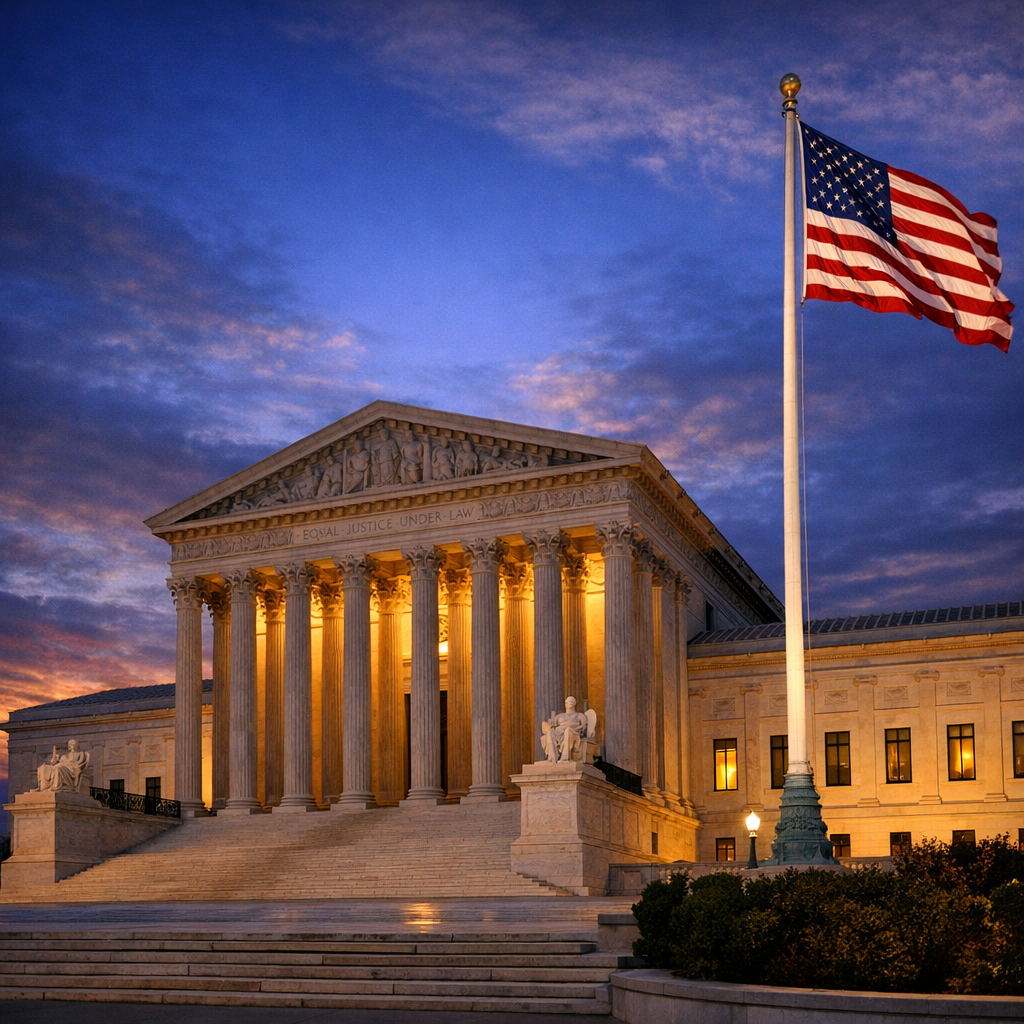
The U.S. Supreme Court’s recently concluded term continued to alter legal precedent. While some rulings expanded executive power or narrowed civil protections (notably in immigration and voting rights), others reaffirmed checks on presidential authority — such as decisions protecting independent oversight of the Federal Reserve.
One particularly consequential ruling blocked an attempt to curtail birthright citizenship via executive order — reinforcing long-standing constitutional principles. Other decisions limited removal protections for immigrants, while also narrowing aspects of the Voting Rights Act. Legal experts warn these changes could have lasting impacts, especially in polarized political climates.
What This Means for America’s Identity and Institutions
Together, these developments highlight tensions over who belongs, who holds power, and how democracy weighs individual rights against national priorities. Immigration policy changes signal stricter definitions of legal and moral standing. Fiscal challenges and public discontent raise questions about priorities in spending and governance. Supreme Court decisions show both a push toward expanding executive authority and stubborn resistance to overreach.
For those following U.S. politics — whether from within or globally — it’s a period of inflection. Laws once seen as settled are under review. Trust in institutions is being tested. And the choices made now will shape the country not just for months, but potentially decades.