

By Layla Al-Mansoori
The world is in motion—across climate policy, geopolitical conflict, and digital regulation. Below are three key developments shaping global affairs now, with implications for communities everywhere, including Dubai.
1. Global Commitment to Stronger Climate Action
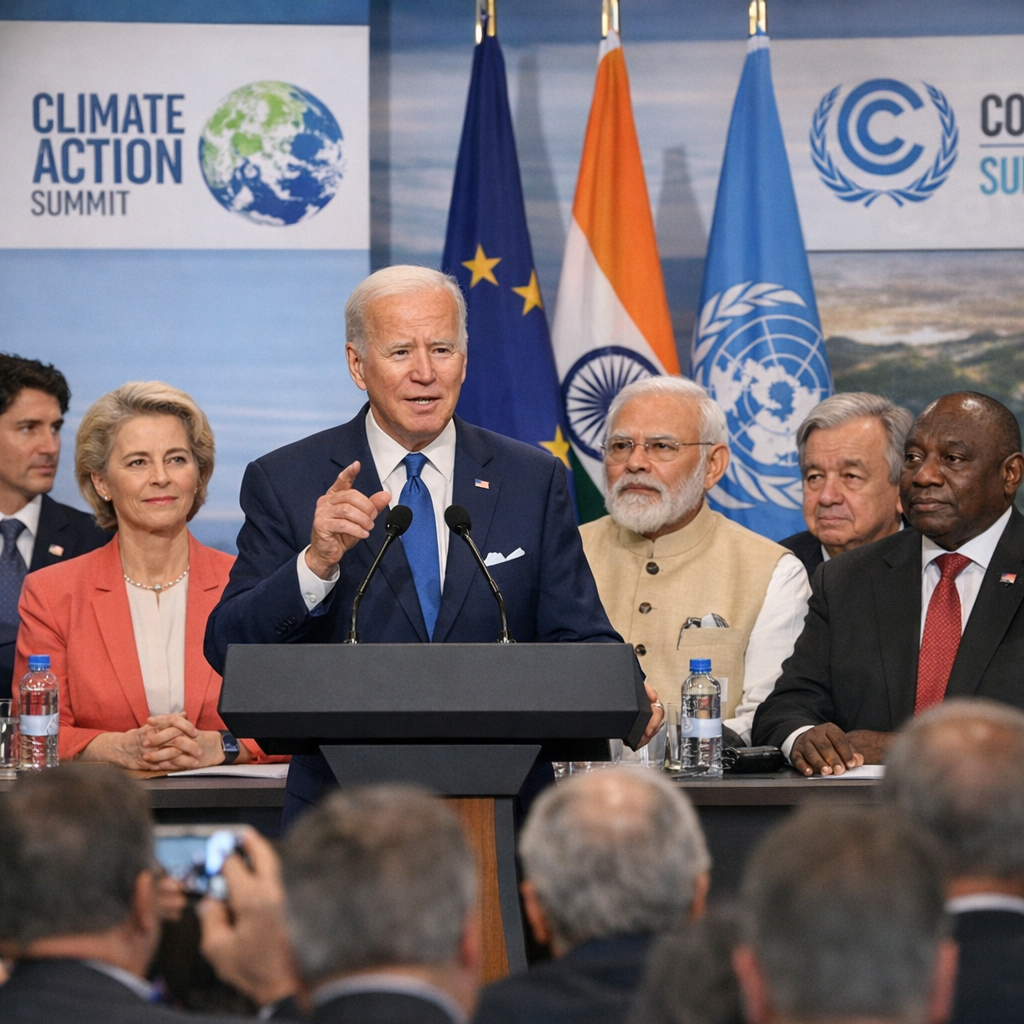
The COP30 summit in Belém, Brazil, saw most countries agree to increase support for developing nations and emphasize fairness in transition away from traditional energy sources. Funding for climate adaptation and assistance for vulnerable populations gained renewed focus. While bold targets to phase out fossil fuels did not make it into the final documents, an emerging framework called the Global Climate Action Agenda (2026-2030) aims to strengthen impact through measurable progress. The first global stocktake under this agreement shows global policies now project greenhouse gas emissions falling by 2035 compared to 2019 levels.
What to Watch
- How much funding will be mobilised for renewable energy and climate resilience projects in developing countries.
- Whether nations stick to their pledges amid economic pressures and energy security concerns.
2. Rising Tensions in Major Conflict Zones
Global instability continues to grow, particularly in areas where conflict risks carry broad international ripple effects. Experts warn of an increased chance of military escalation in regions like the Taiwan Strait, clashes between Russia and NATO, and fighting involving Iran and Israel or its allies. These tensions are fueling concerns about disruptions to trade, displacement of civilians, and rising humanitarian needs.
What to Watch
- How regional powers could be drawn into ongoing conflicts, affecting global supply chains and energy markets.
- The role of international diplomacy and peacebuilding initiatives in stem- ming escalation.
3. The Emergence of Global AI and Digital Governance Standards
As AI becomes deeply embedded in public life, governments are moving fast to regulate. New agreements and laws are emerging across multiple regions to define standards for transparency, safety, and rights protection. Key areas of regulation include safeguarding personal data, labeling AI-generated content, ensuring accountability for high-impact AI systems, and defining national versus global roles in AI oversight.
What to Watch
- How fragmented regulations across different countries affect international businesses and cross-border technology use.
- Whether global bodies succeed in harmonising rules to avoid conflicting standards and creating inequality in digital access.
These three developments—climate action, conflict escalation, and AI governance—are interconnected. Dubai and the UAE are not spectators. They engage with global climate treaties, participate in regional diplomacy, and aim to become leaders in safe, high-standard technology deployment. How these global trends evolve will help define our region’s opportunities and responsibilities.