

By Aisha Khalifa
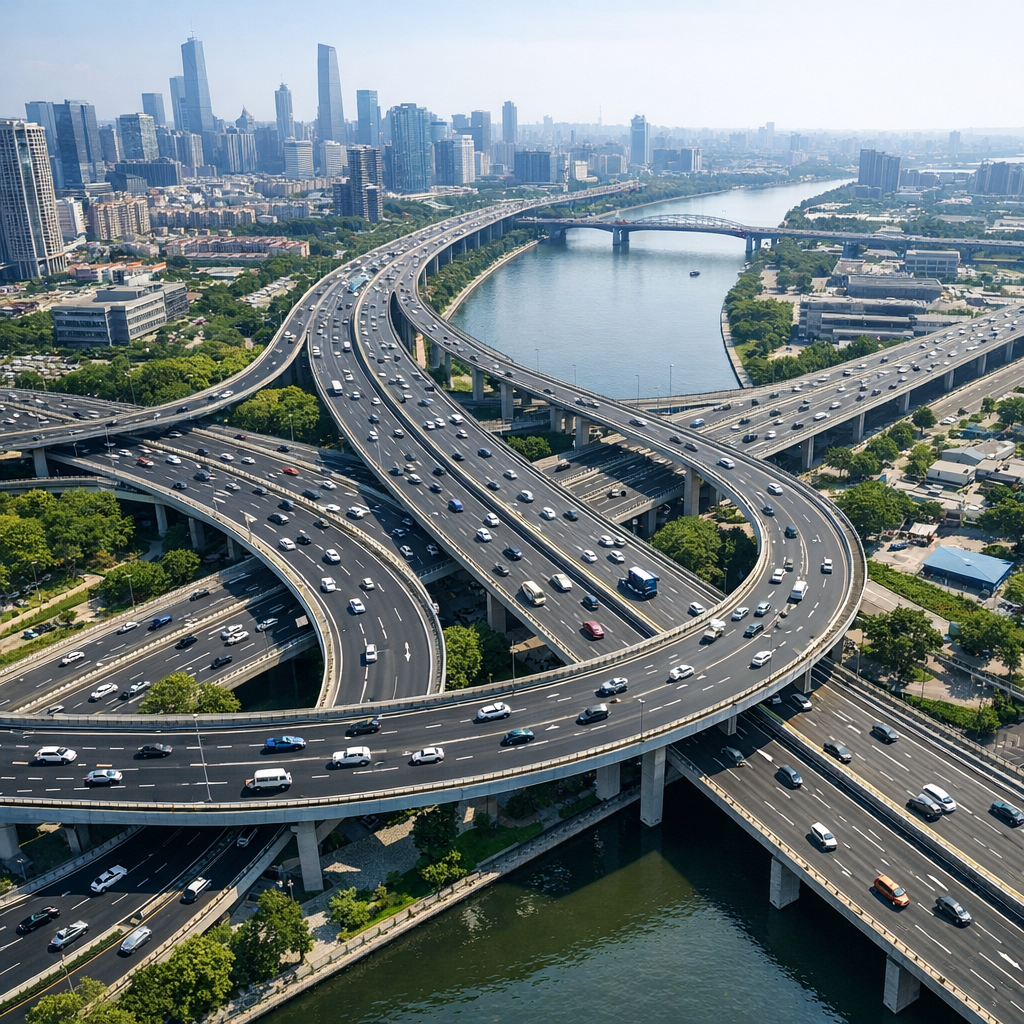
Dubai’s road infrastructure is undergoing a transformation aimed at easing congestion, improving connectivity between neighborhoods, and anticipating the city’s future growth. Several major projects are currently in motion or nearing completion, each designed to make daily travel faster and safer for residents.
Latifa bint Hamdan Corridor: A New Link in Dubai’s Road Chain
The Latifa bint Hamdan Corridor Development Project is one of the most ambitious road upgrades currently underway. Stretching 12 kilometres, this corridor will connect key arteries like Sheikh Zayed Road, Al Khail Road, Sheikh Mohammed bin Zayed Road, and Emirates Road. It includes construction of seven bridges and eight tunnels, plus an expanded 12.5 km of cycling tracks that tie into Dubai’s existing network. Once complete, it’s expected to reduce travel time between Umm Al Sheif Street and Emirates Road by over half, serving more than 130,000 journeys per day. The target completion date is end of 2028.
Al Safa Street Project: Cutting Time Between Key Routes
Another high-impact project is the Al Safa Street Improvement Project, covering about 1,500 metres between Sheikh Zayed Road and Al Wasl Street. New bridges, tunnels, and upgraded intersections are included, aiming to reduce travel time along that stretch from 12 minutes down to roughly 3 minutes. For anyone commuting through Financial Centre Street or along Sheikh Zayed Road, these changes promise significant relief.
Oud Metha & Al Asayel Thoroughfare: Expanding Capacity
The Oud Metha Road and Al Asayel Street project just reached completion. It includes four major junctions, four bridges, and two tunnels across 14 km of upgraded road. Capacity has increased from around 10,400 vehicles per hour to approximately 15,600. For many drivers in areas like Zabeel, Al Jaddaf, and Oud Metha, this should translate into average journey times falling from about 20 minutes to just five.
New Fourth Corridor: Regional Connectivity On the Horizon
Looking beyond internal upgrades, the upcoming New Fourth Corridor project promises to enhance connectivity with neighboring emirates. Spanning some 80 km, its first phase links Sharjah with Dubai–Al Ain Road. Set to feature dozens of tunnels, bridges, and drainage infrastructure, this corridor is built to support logistics traffic and industrial growth, as well as link up key residential zones and conservation areas along the way.
What Residents Can Expect
- Shorter commute times: many major projects aim to halve travel times across high-traffic corridors.
- Enhanced capacity and safety: new lanes, bridges, interchanges, and tunnels reduce bottlenecks and accident risks.
- Improved connectivity between communities: ease of travel not only between emirates but within rapidly growing districts.
- Impact during construction: roadworks and detours are likely; residents should monitor local announcements.
Overall, these projects reflect Dubai’s forward-looking infrastructure planning. They address current traffic pain points and prepare the city for its projected population and economic expansion. Over time, the goal is to build corridors and roads that offer resilient, sustainable mobility—not just for cars, but for cyclists, transit users and pedestrians too.