

By Layla Al-Mansoori
As we watch unfolding events around the globe, two powerful currents are emerging: geopolitical friction and shifting economic structures. Below are several developments that, while already underway, will continue to shape international relations, trade, and everyday life in the years ahead.
1. Geopolitical Tensions Redefining Strategy
The conflict in the Middle East, particularly involving Iran, continues to spark ripple effects across energy markets and diplomatic circles. Actions taken by the U.S. and other regional actors are being matched by countermeasures, raising fears of a prolonged conflict and greater regional instability. This has renewed focus on vital maritime corridors like the Strait of Hormuz, crucial for oil and shipping flows.
Meanwhile, world powers are engaging in a flurry of diplomacy. Leaders have crisscrossed continents to reinforce alliances, pursue strategic partnerships, and redefine global order. These diplomatic efforts speak to a world eager to find balance amid shifting power dynamics.
2. Trade Slowdowns Amid Economic Volatility
After a spike in global trade driven by strong performance in AI technologies and high-tech exports, many forecasts suggest trade growth will soften. Global merchandise trade is projected to decelerate notably compared to its recent highs. Tighter fiscal conditions, inflation pressures, and energy costs are raising concerns, especially among developing economies that depend heavily on imports.
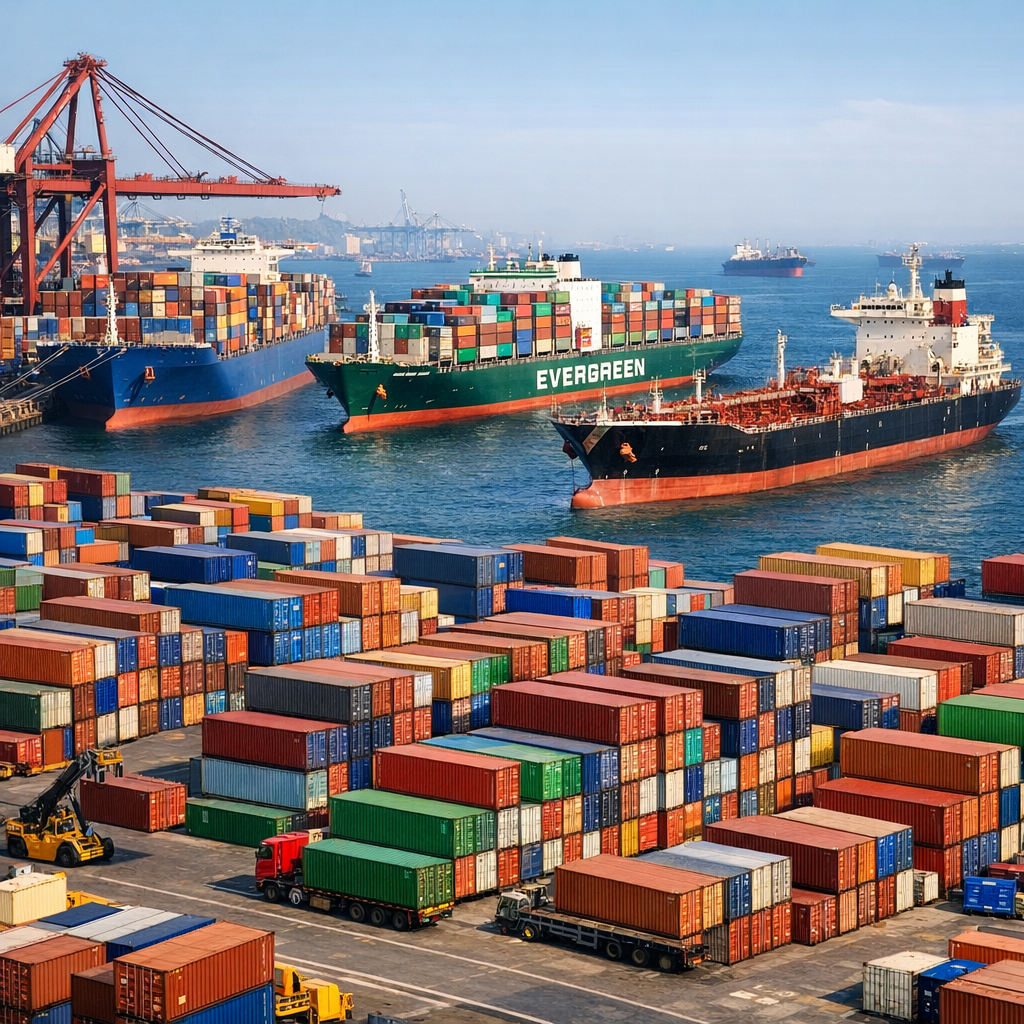
The strain is being felt in global supply chains. Disruptions from conflicts, regulatory shifts, and infrastructure vulnerabilities have exposed dependence on concentrated supply sources. Everything from electronics and memory chips to petrochemicals and fertilizers is impacted, pushing businesses to rethink sourcing strategies and manufacture closer to final markets.
3. The Struggle for Resilience: Supply & Sustainability
Resilience has become a byword in policy and business discussions. With trade routes blocked or under threat, rising insurance costs, and freight volatility, many are attempting to build supply systems that can withstand shocks—whether geopolitical, climate-driven, or technological.
Clean energy and green technologies are now considered strategic assets, not just environmental priorities. Investment in renewables, as well as critical industries like semiconductors and batteries, is seen as essential to reduce exposure to both supply risk and future shocks. While progress is uneven, these shifts promise to influence global investment and regulation in meaningful ways.
Looking Ahead
In an interconnected world, what happens in one region often causes effects far from its borders. Whether it’s conflict, climate change, or economic realignment, the path forward will require coordination and creative thinking. Nations will need to adapt fast—on trade, on diplomacy, and in how they build resilience—to ride out this era of uncertainty with steadier footing.