

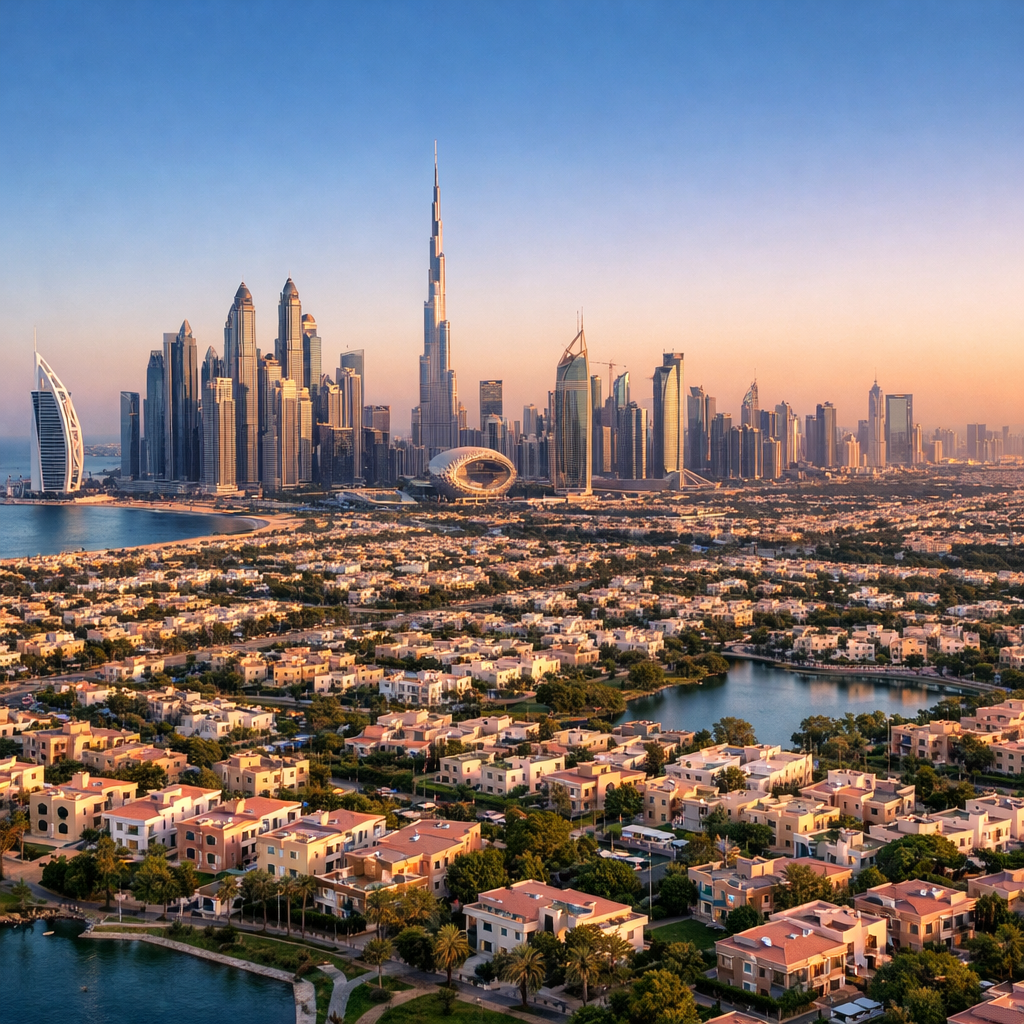
Dubai’s real estate market continues to evolve, presenting both opportunities and challenges for investors, homeowners, and renters alike. Understanding the current trends is essential for making informed decisions in this dynamic environment.
Surge in Off-Plan Sales
Off-plan properties have become a focal point in Dubai’s real estate sector. In the first quarter of 2026, off-plan transactions accounted for 62% of all property deals, with over 28,000 new residential units launched during this period. Developers are offering attractive payment plans, including options like 1% per month during construction and extended post-handover schemes, making off-plan investments more accessible to a broader audience.
Shift Towards Suburban Living
There’s a noticeable trend of residents moving towards suburban communities. Areas such as Jumeirah Village Circle (JVC), Arjan, and Al Furjan are experiencing increased demand due to their affordability and family-friendly environments. This shift is driven by the desire for more spacious living arrangements and the development of community amenities that cater to families.
Rental Market Dynamics
The rental market in Dubai is undergoing changes, with average asking rents increasing by 7–11% year-over-year across the emirate. However, rental yields have slightly compressed due to rising property prices. Despite this, areas like Dubai South, Al Furjan, and Town Square continue to offer attractive yields above 7.5%, appealing to income-focused investors.
Luxury Segment Stability
Dubai’s luxury real estate segment remains robust, with prime villas, branded residences, and waterfront homes in high demand. Established ultra-prime districts such as Palm Jumeirah, Jumeirah Bay Island, and Emirates Hills continue to show strong resale activity, maintaining their appeal among high-net-worth individuals seeking premium properties.
Infrastructure and Connectivity
Connectivity is playing a crucial role in property valuations. Communities linked to major infrastructure projects, like the upcoming Dubai Metro Blue Line, are expected to outperform. Areas such as Dubai Creek Harbour and parts of Dubai Silicon Oasis are witnessing renewed interest as buyers prioritize commute times and access to employment hubs.
In conclusion, Dubai’s real estate market is characterized by a surge in off-plan sales, a shift towards suburban living, evolving rental dynamics, stability in the luxury segment, and the growing importance of infrastructure connectivity. Staying informed about these trends is vital for anyone looking to navigate the market effectively.