

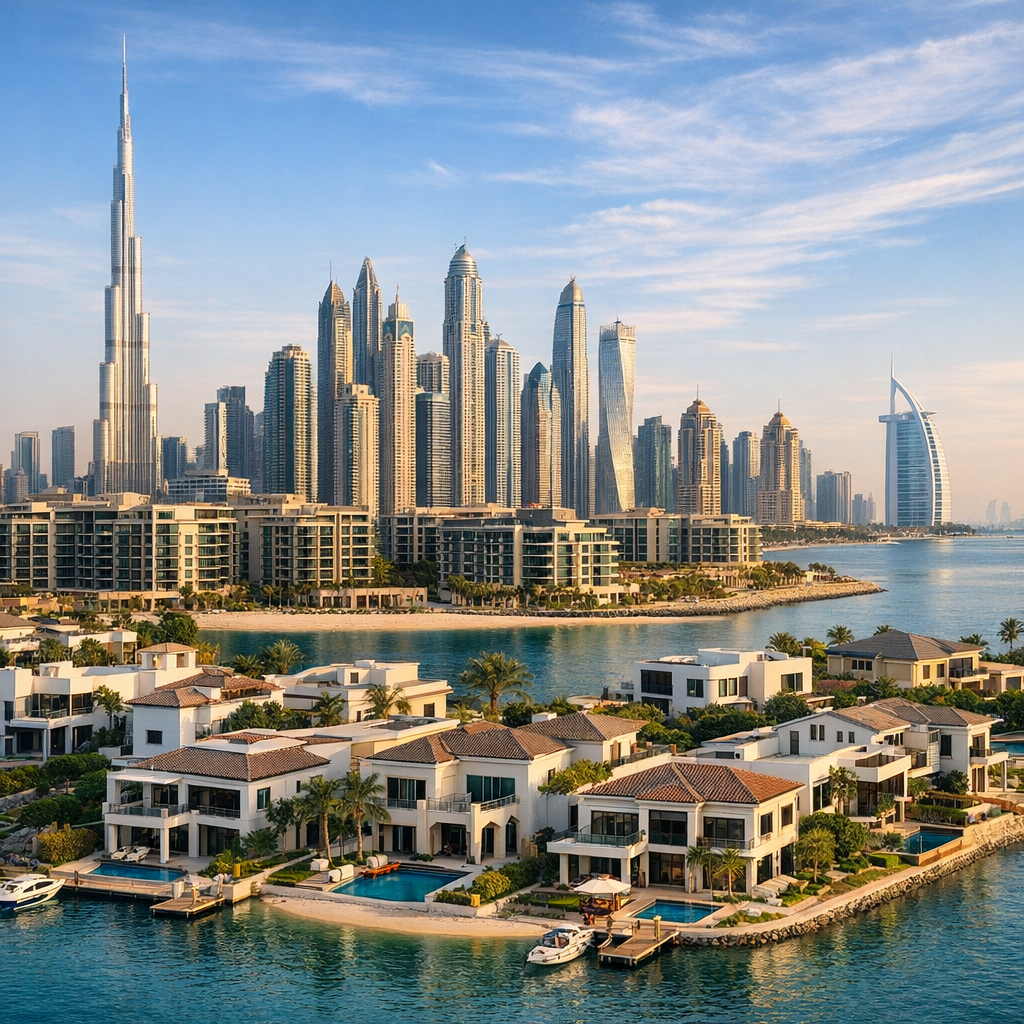
Dubai’s real estate market is undergoing a significant transformation, moving from rapid growth to a more stable and mature phase. This evolution presents both challenges and opportunities for residents, investors, and stakeholders.
Market Trends: A Shift Towards Stability
Recent data indicates a moderation in property price increases. In the first quarter of 2026, property prices rose steadily by 3-5% per quarter, a shift from the double-digit growth observed in previous years. This trend suggests a move towards a more balanced market, reducing the risk of price bubbles and aligning infrastructure development with population growth.
Rental Market: Competitive Yet Stable
The rental sector continues to demonstrate resilience. In 2025, registered tenancy contracts increased by 6% in volume and 17% in value compared to 2024, totaling 1.38 million contracts valued at AED 126.4 billion. This growth reflects Dubai’s appeal as a destination to live and work, supported by a diversified range of residential options and a clear regulatory framework.
Supply and Demand Dynamics
Concerns about potential oversupply in 2026 appear to be overstated. While approximately 77,500 homes are scheduled for delivery in 2026, demand fundamentals continue to underpin pricing and absorption. The market is entering a more measured phase, with risks largely confined to specific segments rather than the broader market.
Strategic Considerations for Buyers and Investors
For those looking to enter the market, it’s essential to consider the following:
- Location Selection: Established communities with mature infrastructure and limited new supply may offer more stable investment opportunities.
- Property Type: Villas and townhouses have shown strong demand, with average freehold villa values rising significantly since the pandemic. However, the supply of these property types remains constrained compared to apartments.
- Long-Term Perspective: The market’s shift towards stability suggests that long-term investments may yield more consistent returns than short-term speculative ventures.
In conclusion, Dubai’s real estate market is maturing, offering a more stable environment for buyers and investors. By understanding current trends and making informed decisions, stakeholders can navigate this evolving landscape effectively.