

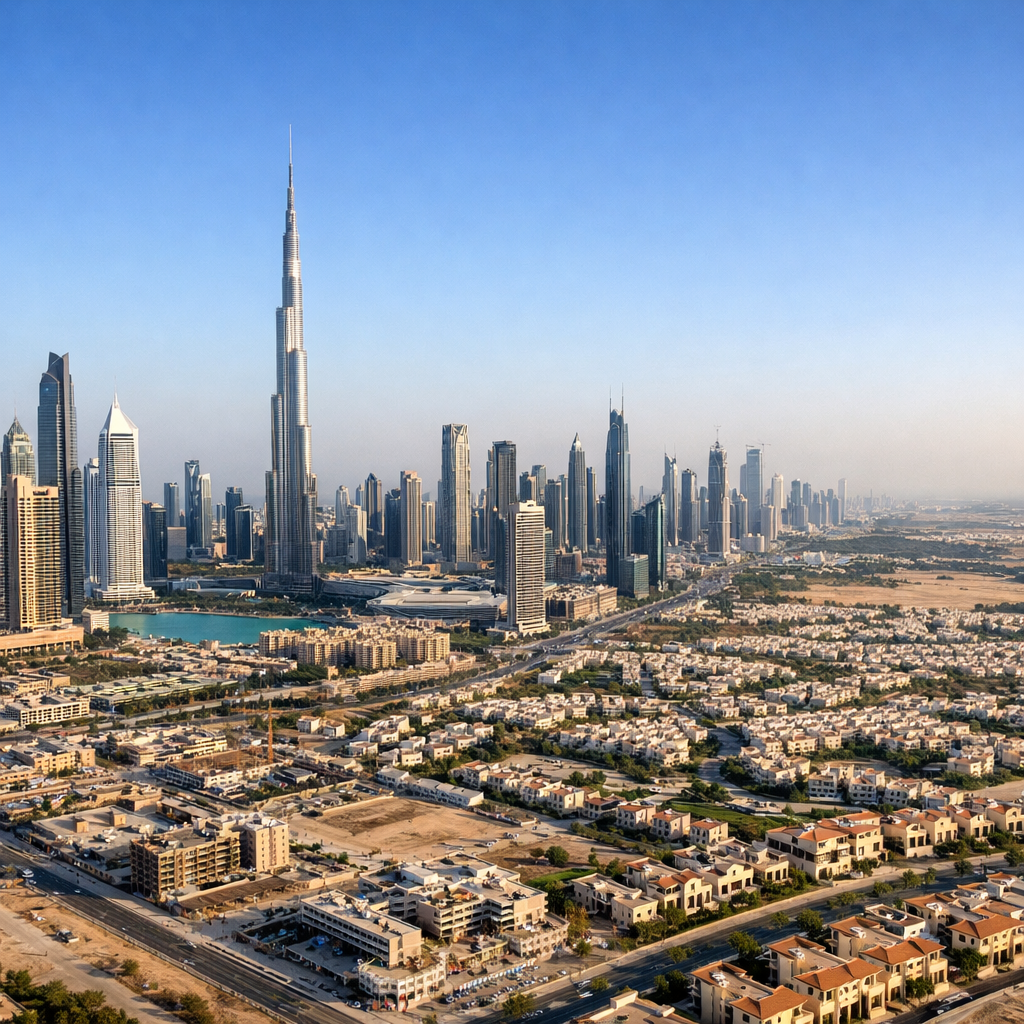
Dubai’s real estate market continues to evolve, offering a dynamic landscape for investors, homeowners, and renters alike. Understanding the current trends is essential for making informed decisions in this vibrant city.
Market Trends: Steady Growth Amidst New Developments
The residential sector has witnessed consistent growth, with sales prices increasing by 12.9% year-on-year as of December 2025. This uptick is driven by a combination of strong demand and a robust pipeline of new developments. Notably, villa prices have outpaced apartments, reflecting a growing preference for spacious living environments.
Rental Market: A Shift Towards Moderation
While rental rates have experienced significant increases in recent years, the market is now showing signs of stabilization. This moderation suggests a closer alignment between supply and demand, providing tenants with more options and potentially easing the rapid rent hikes observed previously.
Emerging Hotspots: Suburban Appeal on the Rise
Suburban communities such as Jumeirah Village Circle (JVC), Arjan, and Al Furjan are gaining popularity among investors and residents. These areas offer more affordable housing options and have seen considerable off-plan activity, making them attractive alternatives to traditional luxury districts.
Off-Plan Market: Developer Confidence Soars
The off-plan segment remains a focal point, with developers launching an unprecedented volume of new projects. In the first quarter of 2026 alone, over 28,000 new residential units were introduced, reflecting strong confidence in Dubai’s real estate market. Flexible payment plans and attractive pricing continue to draw buyers to this segment.
Investment Yields: Attractive Returns Amidst Market Maturation
Dubai’s rental market continues to offer competitive returns, with average gross residential rental yields standing at 6.58%. Apartments lead with yields averaging 6.9%, while townhouses and villas offer 5.1% and 4.5%, respectively. These figures remain appealing compared to many global property markets, sustaining investor interest.
In conclusion, Dubai’s real estate market presents a landscape of opportunities characterized by steady growth, emerging suburban hotspots, and a maturing rental market. Staying informed about these trends is crucial for anyone looking to navigate the city’s dynamic property scene.