

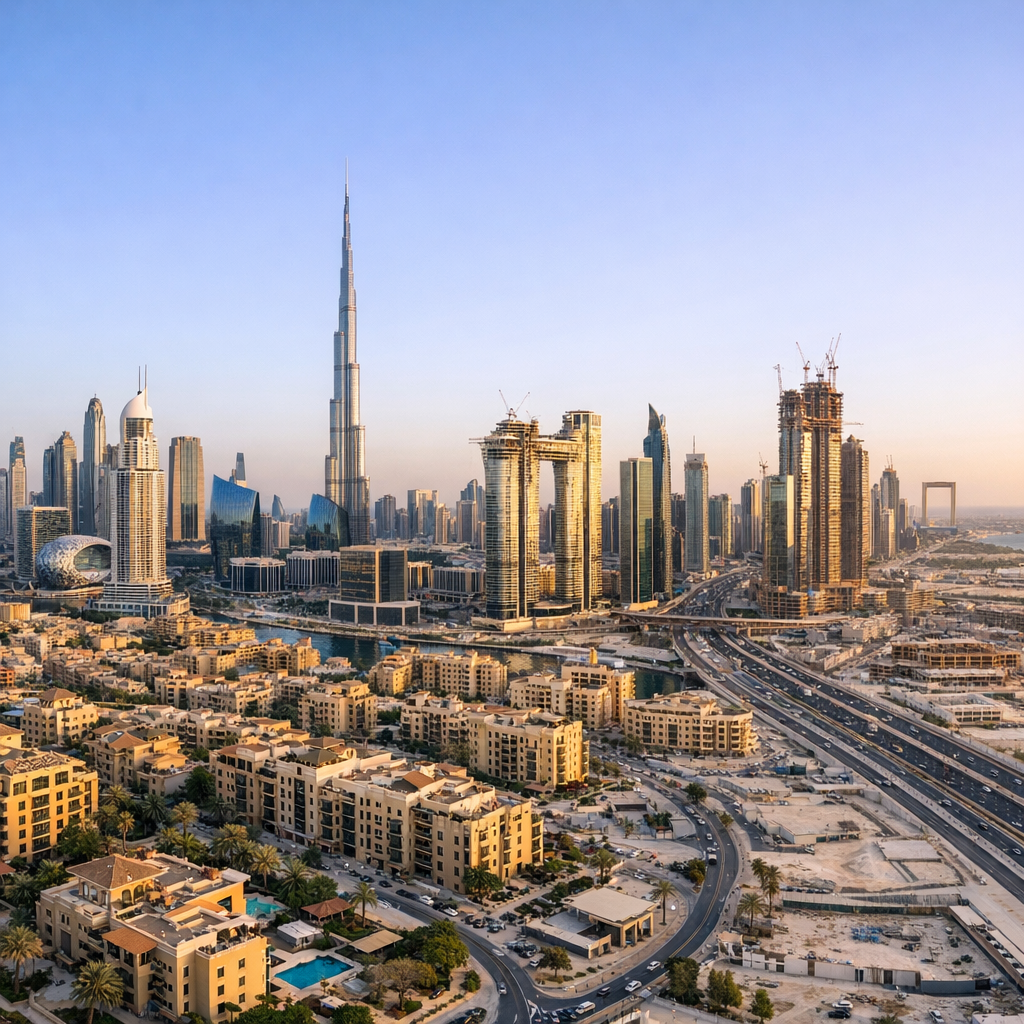
Dubai’s real estate market is experiencing notable shifts, with recent data indicating a cooling in rental rates and evolving buyer preferences.
Rental Market Trends
As of mid-2026, Dubai’s rental market has seen a decline in average rents. Between January and April 2026, average residential rents in the emirate dropped by approximately 6.7%. This trend is particularly evident in prime areas such as Downtown Dubai, Palm Jumeirah, and Jumeirah Lake Towers, each witnessing rent decreases around 15%. The primary driver behind this decline is an increase in housing supply, providing tenants with more options and greater negotiating power.
Home Buying Patterns
Concurrently, there’s a noticeable shift from renting to homeownership among residents. In 2025, the share of sale-listing impressions on Property Finder rose to 49%, up from 47% in 2024, indicating a growing inclination towards purchasing homes. This trend is bolstered by favorable long-term residency policies, such as the UAE Golden Visa, and initiatives like Dubai’s First-Time Home Buyer Programme, which has facilitated over 2,000 residents in purchasing their first homes, contributing more than AED 3.25 billion in residential property sales.
Local Developments
The market’s evolution is also marked by a surge in new developments. Over 20,000 units were delivered in the first half of 2025, with an additional 70,000 expected in the latter half. This influx of new properties reflects strong developer confidence and aims to meet the sustained demand from both local and international investors.
In summary, Dubai’s real estate landscape is undergoing significant changes, characterized by a softening rental market, a shift towards homeownership, and a robust pipeline of new developments. These trends suggest a maturing market that offers diverse opportunities for tenants, homeowners, and investors alike.