

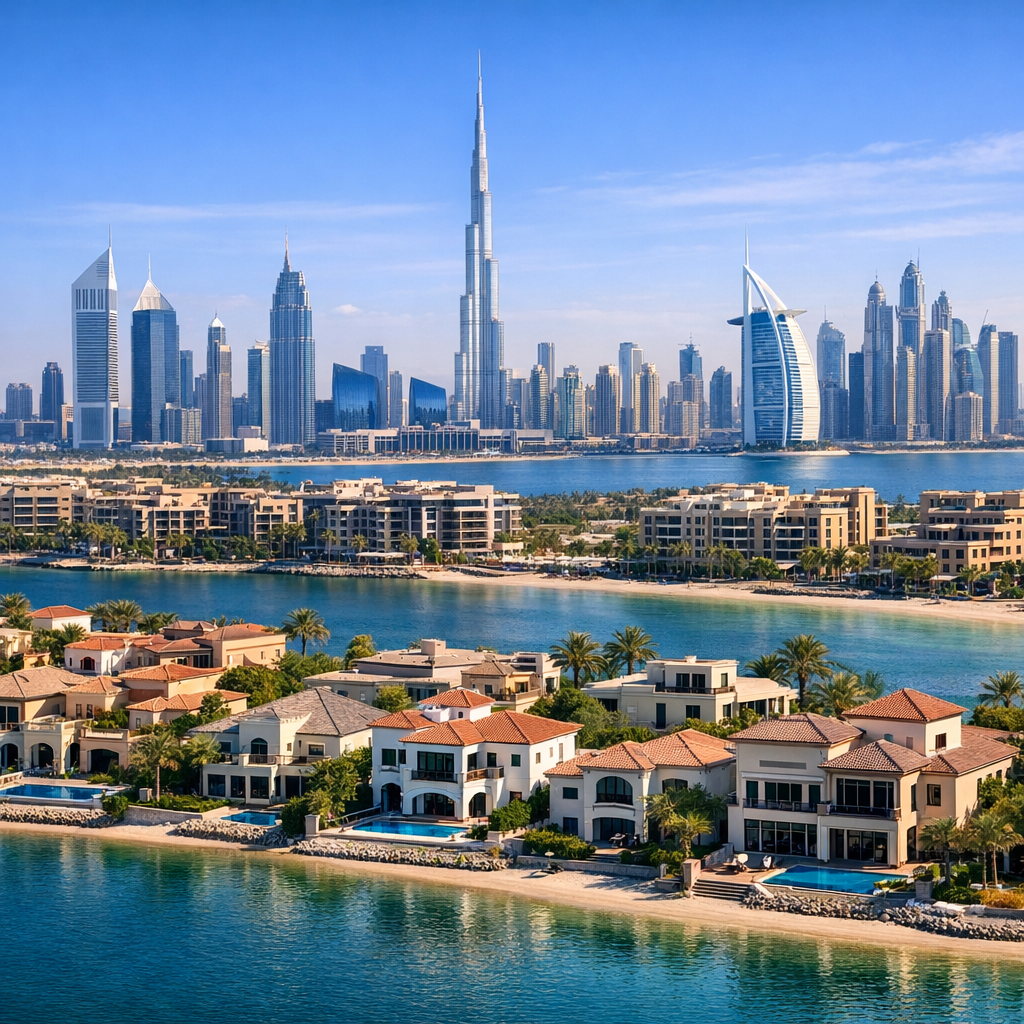
Dubai’s real estate market continues to demonstrate resilience and growth, attracting both local and international investors. Understanding the current trends is essential for those looking to navigate this dynamic landscape.
Market Performance
In the first half of 2026, Dubai recorded 79,281 residential sales transactions totaling AED 221.4 billion. While this reflects a slight moderation compared to the record levels of 2025, the market remains robust, with average pricing showing resilience. Developers are actively launching new communities, though actual handovers are below initial projections, alleviating immediate concerns of oversupply.
Shift Towards Homeownership
There’s a noticeable shift from renting to buying among residents. This trend is driven by favorable long-term residency policies, such as the UAE Golden Visa, and initiatives like Dubai’s First-Time Home Buyer Programme, which has facilitated over 2,000 residents in purchasing their first homes, contributing more than AED 3.25 billion in residential property sales.
Luxury Segment Growth
The luxury and super-luxury housing segments are experiencing significant growth, supported by a 46% year-on-year increase in high-net-worth individual inflows. Dubai has solidified its position as a global leader in wealth migration, with USD 63 billion in incoming wealth in 2025. Demand for high-end properties is expanding beyond traditional areas like Downtown Dubai and Palm Jumeirah to emerging communities such as Dubai Harbour and Maritime City.
Apartment Dominance
Apartments continue to dominate the market, accounting for 93% of residential transactions in 2025, up from 90% in 2024. This is attributed to a healthy supply offering buyers a wide range of choices across various price points and layouts. Notably, studios have gained popularity, representing approximately 25% of apartment transactions in 2025, driven by affordability and strong investment returns.
Villa Market Dynamics
While villas and townhouses continue to outperform apartments, supported by limited supply and a preference for space, privacy, and low-density living, villa supply remains limited, leading to faster price growth compared to apartments. In 2025, median villa prices increased by 14% year-on-year, compared to approximately 6% for apartments. This trend underscores the lifestyle-driven demand for villas, with 72% of villa transactions occurring in the mid-market segment (AED 1,000–1,800/sq ft).
Rental Market Insights
Rental demand remains strong, underpinned by population growth and sustained inbound migration. Average rental yields for residential properties in Dubai are estimated at 6.78%, with apartment yields reaching as high as 7.24%. Annual rental growth for all residential properties in Dubai decelerated to 8.5% in May 2025, down from 14.3% in January and 21.1% a year ago.
Future Outlook
Looking ahead, Dubai’s real estate market is expected to maintain its growth trajectory, driven by population growth, economic diversification, and favorable government policies. With over 20,000 new units delivered in the first half of 2025 and more supply on the way, the market remains dynamic and competitive. Dubai continues to be a top choice for capital investment, lifestyle, and long-term residency.
For potential buyers and investors, staying informed about these trends is crucial. Engaging with reputable real estate professionals and conducting thorough research will aid in making informed decisions in this ever-evolving market.