

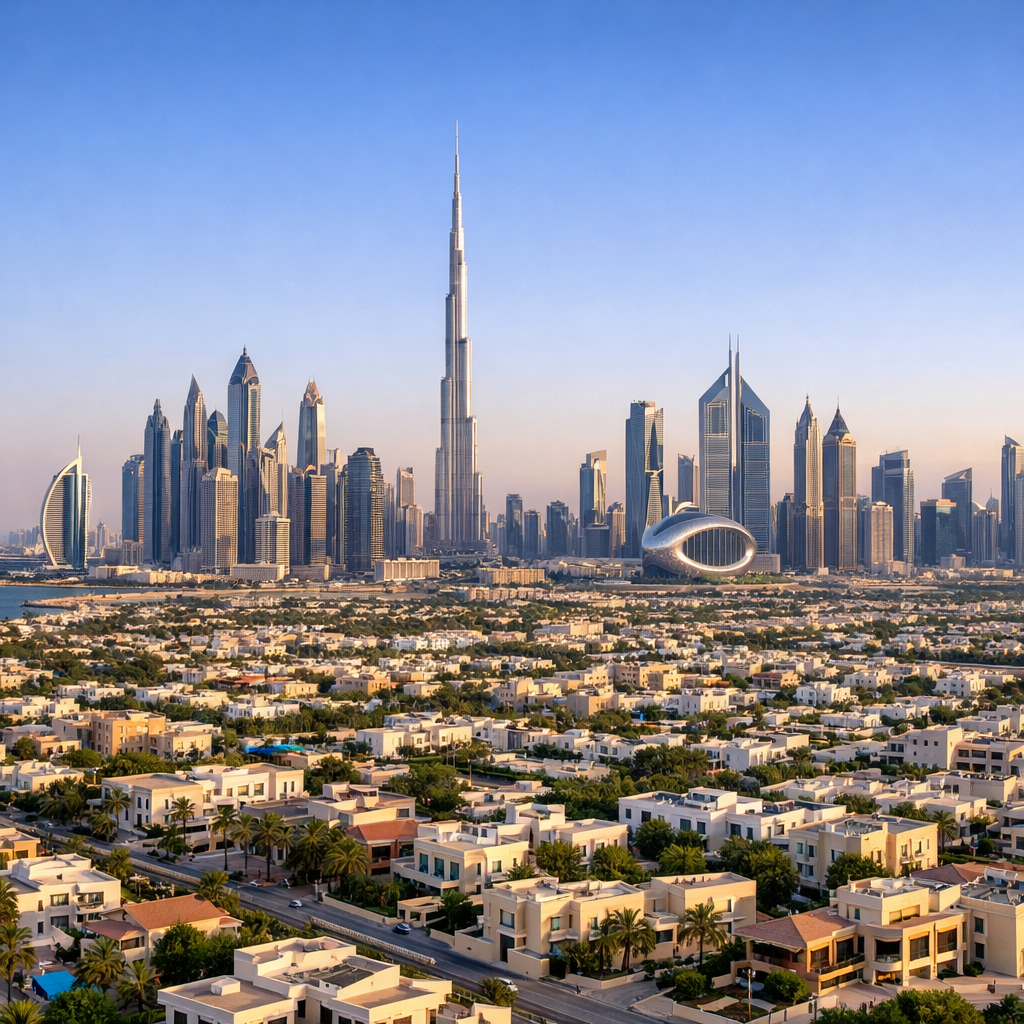
Dubai’s real estate market continues to evolve, presenting both challenges and opportunities for buyers, renters, and investors. Understanding the current trends is essential for making informed decisions.
Surge in Off-Plan Sales
Off-plan properties have gained significant traction, accounting for 62% of all transactions in the first quarter of 2026. Developers have responded by launching over 28,000 new residential units during this period, with major projects in areas like Dubai South, MBR City, and Dubailand. Payment plans have become increasingly flexible, featuring options such as 1% per month during construction and extended post-handover plans.
Shift Towards Suburban Living
There’s a noticeable shift towards suburban communities as buyers seek value beyond the city’s core. Areas like Jumeirah Village Circle (JVC), Arjan, and Al Furjan are experiencing increased off-plan activity, offering more affordable housing options and stable rental demand. Master-planned communities such as Dubai Hills and Dubai Creek Harbour continue to attract interest due to their integrated amenities and long-term development plans.
Rental Market Dynamics
The rental market remains robust, with average asking rents increasing by 7–11% year-over-year across the emirate. Family-oriented communities and waterfront locations have seen the strongest growth. However, as property prices rise, gross rental yields have slightly compressed, particularly in premium locations. Emerging areas like Dubai South and Al Furjan continue to offer attractive yields above 7.5%, appealing to income-focused investors.
Luxury Segment Resilience
The luxury real estate segment remains a stabilizing force in Dubai’s market. Prime villas, branded residences, and waterfront homes are in limited supply, especially in ultra-prime districts like Palm Jumeirah, Jumeirah Bay Island, and Emirates Hills. These areas continue to show strong resale activity and maintain their value, even as the broader market becomes more price-sensitive.
Market Outlook
Looking ahead, Dubai’s real estate market is expected to enter a phase of moderation. While sales prices continue to rise, the pace has slowed, indicating a move towards more sustainable growth. The rental market is also showing signs of stabilization, with vacancy rates projected to rise modestly, introducing more seasonality into pricing. This trend suggests a closer alignment between supply and demand, offering a more balanced market for all stakeholders.
Staying informed about these evolving trends is crucial for navigating Dubai’s dynamic real estate landscape. Whether you’re considering buying, renting, or investing, understanding the current market dynamics will help you make decisions that align with your goals and the city’s ongoing development.