

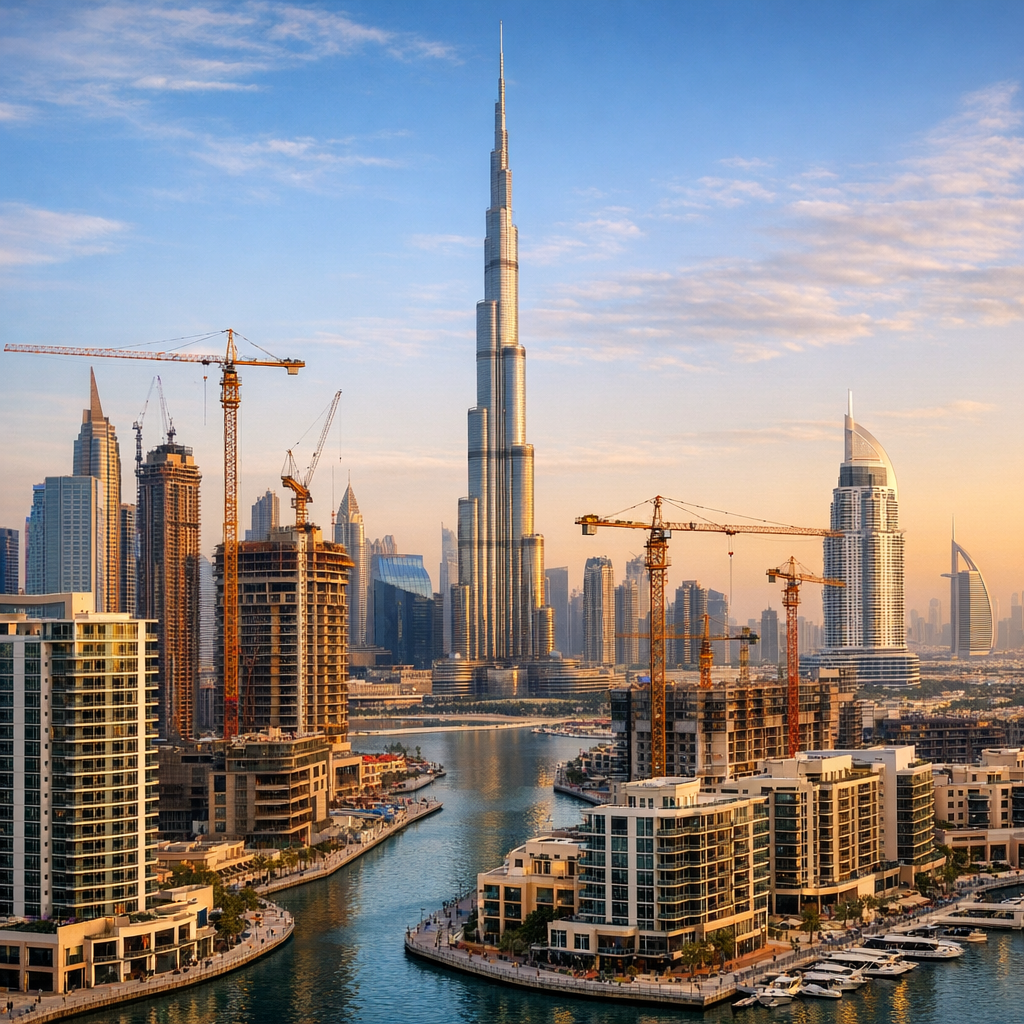
Dubai’s real estate market continues to evolve, offering a dynamic landscape for investors, homeowners, and renters alike. Understanding the current trends is essential for making informed decisions in this vibrant city.
Market Trends
In recent years, Dubai has witnessed significant growth in its real estate sector. Residential sales prices have seen a notable increase, with a 20% rise in 2024, reaching an average of AED 1,597 per square foot. This upward trajectory is driven by strong demand and a robust economy. The market has also experienced a surge in transaction volumes, with over 197,000 property transactions recorded between January and November 2025, surpassing previous annual records. This activity reflects a shift towards more selective buying behavior, with purchasers focusing on long-term usability and value.
Rental Dynamics
The rental market in Dubai remains competitive, with average rents rising by 9% citywide in 2025. Studios and one-bedroom apartments have seen the sharpest increases, ranging from 11% to 13%, as population growth outpaces housing delivery. Despite these increases, Dubai continues to offer attractive rental yields compared to many global markets. As of July 2026, average gross residential rental yields stand at 6.58%, with apartments averaging 6.9%, townhouses at 5.1%, and villas at 4.5%. These returns underscore the city’s appeal to both local and international investors.
Local Development
Dubai’s commitment to infrastructure and community development plays a pivotal role in shaping the real estate landscape. The city is in the midst of a robust supply cycle, with over 7,800 units delivered in Q3 2025 and an additional 14,900 expected in Q4, bringing the annual total to 44,000 units—the highest in five years. Looking ahead, completions are expected to rise further in 2026, with over 69,000 units anticipated. This influx of new properties is likely to contribute to the ongoing moderation in both price and rental growth, offering more options for prospective buyers and tenants.
In conclusion, Dubai’s real estate market presents a dynamic environment characterized by growth, evolving rental dynamics, and significant development projects. Staying informed about these trends is crucial for anyone looking to navigate the city’s housing sector effectively.