

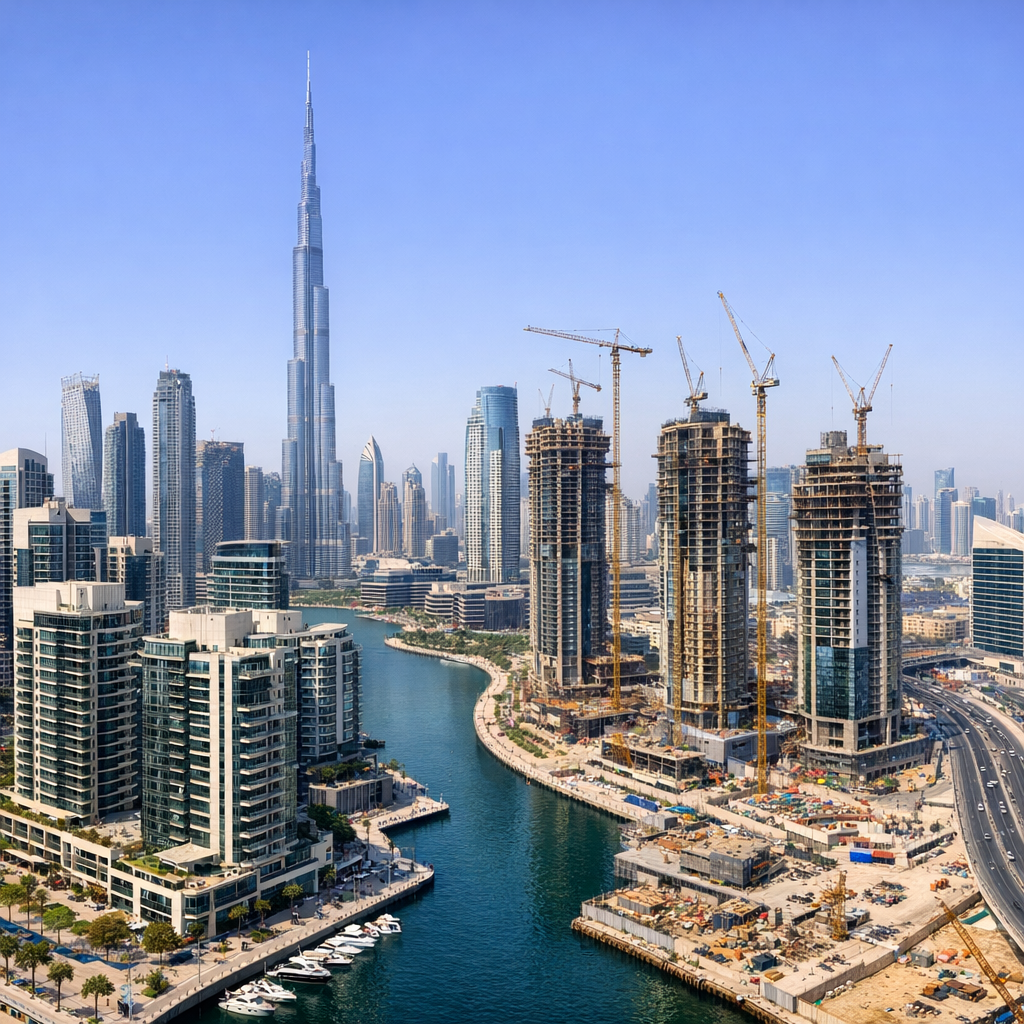
Dubai’s real estate market continues to evolve, reflecting the city’s dynamic growth and the diverse needs of its residents and investors. Understanding the current trends in property sales, rentals, and new developments is essential for making informed decisions in this vibrant market.
Shifts in Property Sales and Buyer Preferences
Recent data indicates a notable shift from renting to homeownership among residents. This trend is largely driven by favorable long-term residency policies, such as the UAE Golden Visa, and initiatives like Dubai’s First-Time Home Buyer Programme, which has facilitated over 2,000 residents in purchasing their first homes, contributing more than AED 3.25 billion in residential property sales. Additionally, there’s a growing inclination towards luxury and super-luxury homes, supported by a significant influx of high-net-worth individuals, reinforcing Dubai’s position as a global leader in wealth migration.
Rental Market Dynamics
The rental market remains competitive, with average gross residential rental yields standing at 6.58%. Apartments yield approximately 6.9%, townhouses 5.1%, and villas 4.5%. Despite a slight moderation in rental growth compared to previous years, factors such as population growth and inward migration continue to support healthy occupancy levels across many established communities.
Emerging Developments and Infrastructure
Dubai’s commitment to infrastructure expansion is evident in new developments like Dubai South, Expo City, and areas along the E311 highway near Al Maktoum International Airport. These projects are attracting interest due to their strategic locations and potential for long-term value appreciation. The introduction of the Flexi Rent Initiative, allowing for more flexible rental payment options, further enhances the city’s appeal to a diverse tenant base.
Conclusion
Dubai’s real estate market is characterized by a dynamic interplay of factors, including evolving buyer preferences, competitive rental yields, and strategic infrastructure developments. Staying informed about these trends is crucial for anyone looking to navigate the city’s housing sector effectively.