

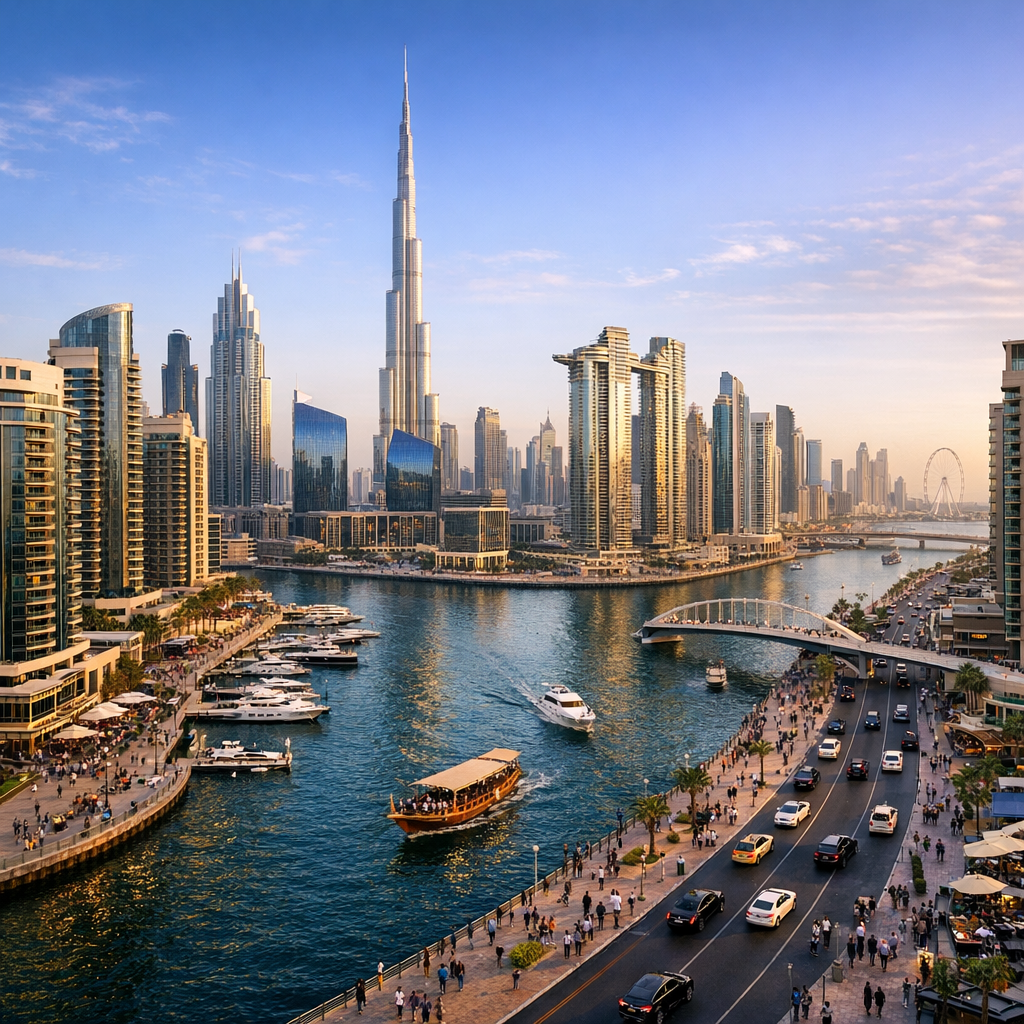
Dubai’s real estate market continues to evolve, reflecting shifts in buyer preferences, rental dynamics, and development patterns. Understanding these trends is essential for residents and investors navigating the city’s property landscape.
Rising Homeownership and Off-Plan Investments
Recent data indicates a growing inclination towards homeownership among Dubai residents. This shift is influenced by favorable long-term residency policies, such as the UAE Golden Visa, and initiatives like Dubai’s First-Time Home Buyer Programme. Notably, over 2,000 residents have purchased their first homes under this program, contributing more than AED 3.25 billion in residential property sales. Additionally, the off-plan market has seen significant activity, with developers launching over 28,000 new residential units in the first quarter of 2026 alone. Payment plans have become increasingly flexible, featuring options like 1% per month during construction and extended post-handover plans.
Rental Market Dynamics
Dubai’s rental market remains competitive, with average asking rents increasing by 7–11% year-over-year across the emirate. Family-oriented communities and waterfront locations have experienced the strongest growth. Despite these increases, Dubai continues to offer attractive rental returns by international standards, with average gross residential rental yields standing at 6.58%. However, yield compression is evident in premium locations where property prices have risen faster than rents. Emerging areas like Dubai South and Al Furjan continue to deliver yields above 7.5%, appealing to income-focused investors.
Emerging Development Hotspots
Suburban communities are gaining traction among buyers and investors. Areas such as Jumeirah Village Circle (JVC), Arjan, and Al Furjan are witnessing considerable off-plan activity due to their affordability and stable rental demand. Master-planned developments like Dubai Hills, Dubai Creek Harbour, and The Oasis are effectively absorbing new supply, thanks to their integrated amenities and long-term planning. Infrastructure projects, including the upcoming Dubai Metro Blue Line and Etihad Rail, are enhancing connectivity and driving demand in areas like Dubai Creek Harbour, Festival City, and parts of Dubai Silicon Oasis.
Market Outlook
While Dubai’s real estate market has experienced rapid growth in recent years, a moderation in price appreciation is anticipated as new supply enters the market. In 2025, the city recorded a 13.8% reduction in transaction volumes and a 15.7% decline in transaction value compared to the previous year, reflecting more measured buyer activity. This trend suggests a shift towards a more balanced market, offering opportunities for both buyers and renters to make informed decisions.
Staying informed about these evolving trends is crucial for navigating Dubai’s dynamic real estate landscape. Whether considering purchasing a home, investing in property, or exploring rental options, understanding the current market dynamics will aid in making well-informed decisions.