

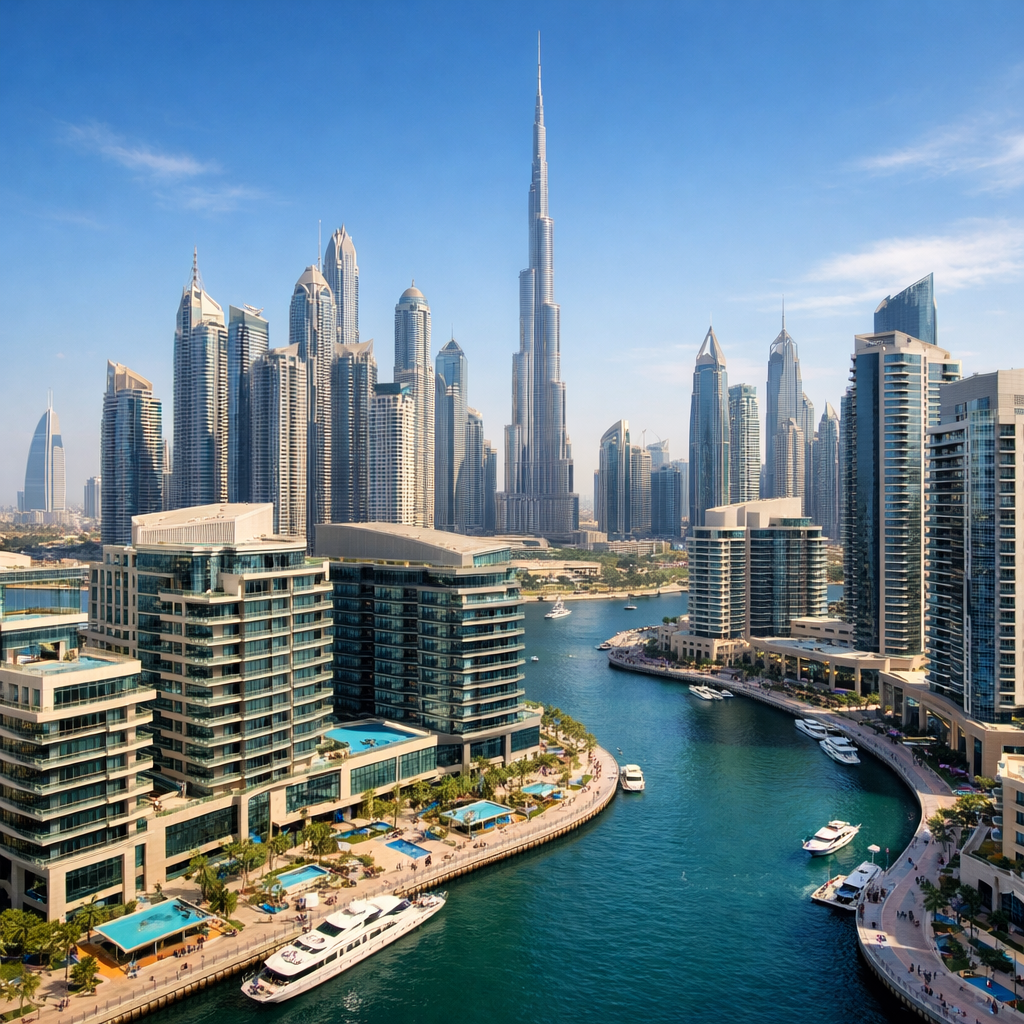
Dubai’s real estate market has experienced notable shifts in recent times, reflecting the city’s dynamic growth and evolving housing preferences.
Rental Market Dynamics
After consecutive years of double-digit growth, Dubai’s rental market has shown signs of stabilization. In early 2026, average rents declined by approximately 6.7%, marking the first broad decrease in several years. Prime areas such as Downtown Dubai, Palm Jumeirah, and Jumeirah Lake Towers witnessed rent reductions around 15%, while communities like Jumeirah Village Circle (JVC) and Burj Khalifa saw declines of about 10%. This trend is largely attributed to an influx of new residential units, providing tenants with more options and fostering a more balanced market.
Shift Towards Home Ownership
There’s been a discernible shift from renting to buying among residents. Initiatives like Dubai’s First-Time Home Buyer Programme have facilitated this transition, with over 2,000 residents purchasing their first homes under the scheme, contributing to more than AED 3.25 billion in residential property sales. Additionally, favorable long-term residency policies, such as the UAE Golden Visa, have further encouraged home ownership.
Luxury Segment Growth
The luxury real estate segment has seen significant growth, driven by a 46% year-on-year increase in high-net-worth individual inflows. Dubai has solidified its position as a global leader in wealth migration, with USD 63 billion in incoming wealth in 2025. This influx has bolstered demand for luxury and super-luxury homes priced above AED 2,500 per square foot.
Future Outlook
Looking ahead, the market is expected to continue its trajectory of growth, albeit at a more measured pace. Forecasts suggest rental growth of 6–10% in prime communities and 3–5% in mid-market areas, reflecting a maturing market responding to both supply dynamics and evolving demand.
For residents and investors, staying informed about these trends is crucial for making strategic decisions in Dubai’s ever-evolving real estate landscape.