

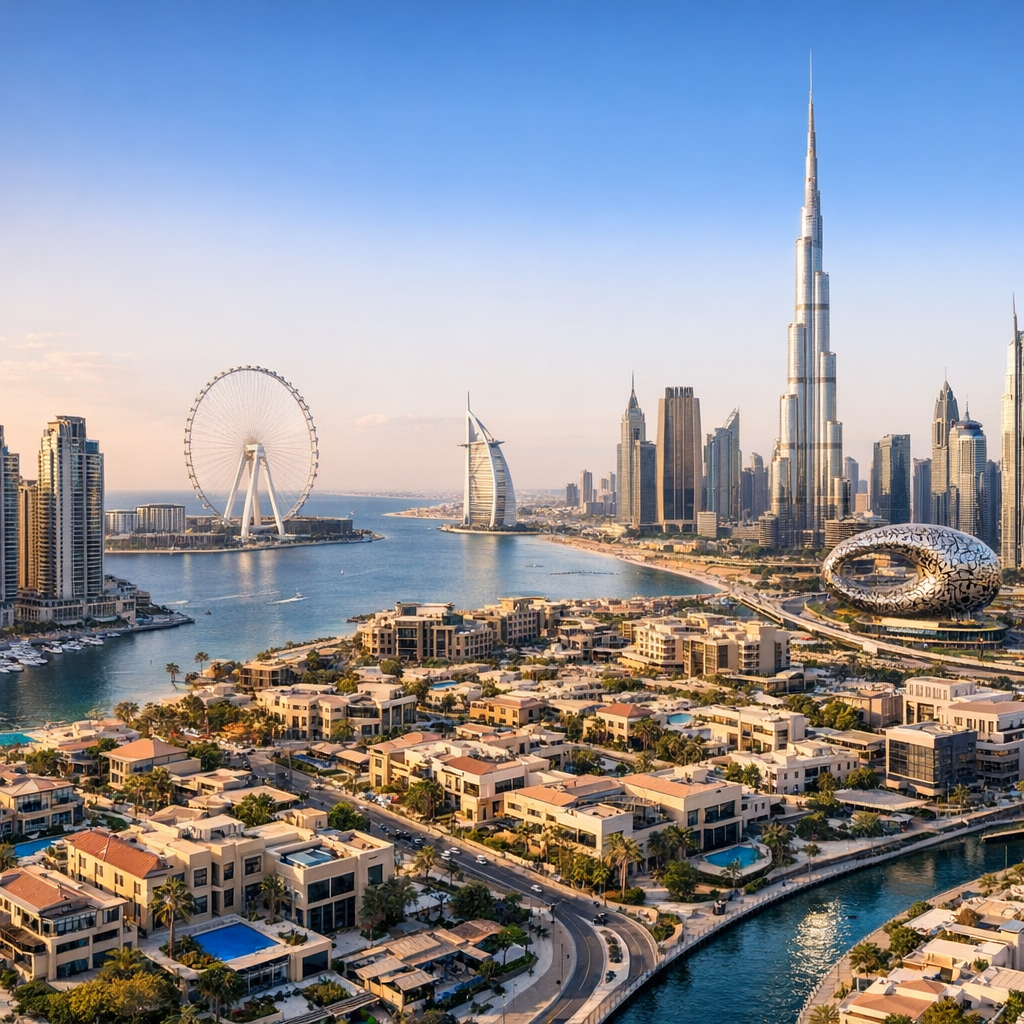
Dubai’s real estate market continues to demonstrate resilience and dynamism, reflecting the emirate’s strategic initiatives and its appeal to both residents and investors. Understanding the current trends is essential for those looking to navigate this evolving landscape.
Surge in Property Transactions
The first quarter of 2025 witnessed a significant uptick in property transactions. Over 43,000 deals were recorded, marking a 23% increase compared to the same period in the previous year. This surge was predominantly driven by off-plan sales, which saw a 33% rise, while ready-to-move-in properties experienced a 5% increase. The total value of these transactions reached AED 115 billion, underscoring the robust demand in the market.
Shift Towards Homeownership
There’s a noticeable shift from renting to buying among residents. Favorable long-term residency policies, such as the UAE Golden Visa and Dubai’s First-Time Home Buyer Programme, have incentivized this transition. Notably, over 2,000 residents purchased their first homes under the First-Time Home Buyer Programme in a six-month span, contributing more than AED 3.25 billion in residential property sales.
Rental Market Dynamics
Dubai’s rental market remains competitive, with average asking rents increasing by 7–11% year-over-year across the emirate. Family-oriented communities and waterfront locations have seen the most significant growth. Despite the rise in rents, Dubai continues to offer attractive rental yields by international standards, with average gross residential rental yields standing at 6.58% as of July 2026.
Emerging Investment Hotspots
Investors are increasingly drawn to emerging areas like Dubai South, Al Furjan, and Town Square, which continue to deliver yields above 7.5%. These areas offer a blend of affordability and potential for capital appreciation, making them attractive for income-focused investors.
Luxury Segment and Infrastructure Developments
The luxury real estate segment remains robust, with prime villas, branded residences, and waterfront homes in high demand. Established ultra-prime districts such as Palm Jumeirah, Jumeirah Bay Island, and Emirates Hills continue to show strong resale activity. Additionally, infrastructure developments like the upcoming Dubai Metro Blue Line are enhancing connectivity and boosting property values in linked communities.
In conclusion, Dubai’s real estate market is characterized by a dynamic interplay of rising property values, shifting rental dynamics, and emerging investment opportunities. Staying informed about these trends is crucial for making strategic decisions in this vibrant market.