

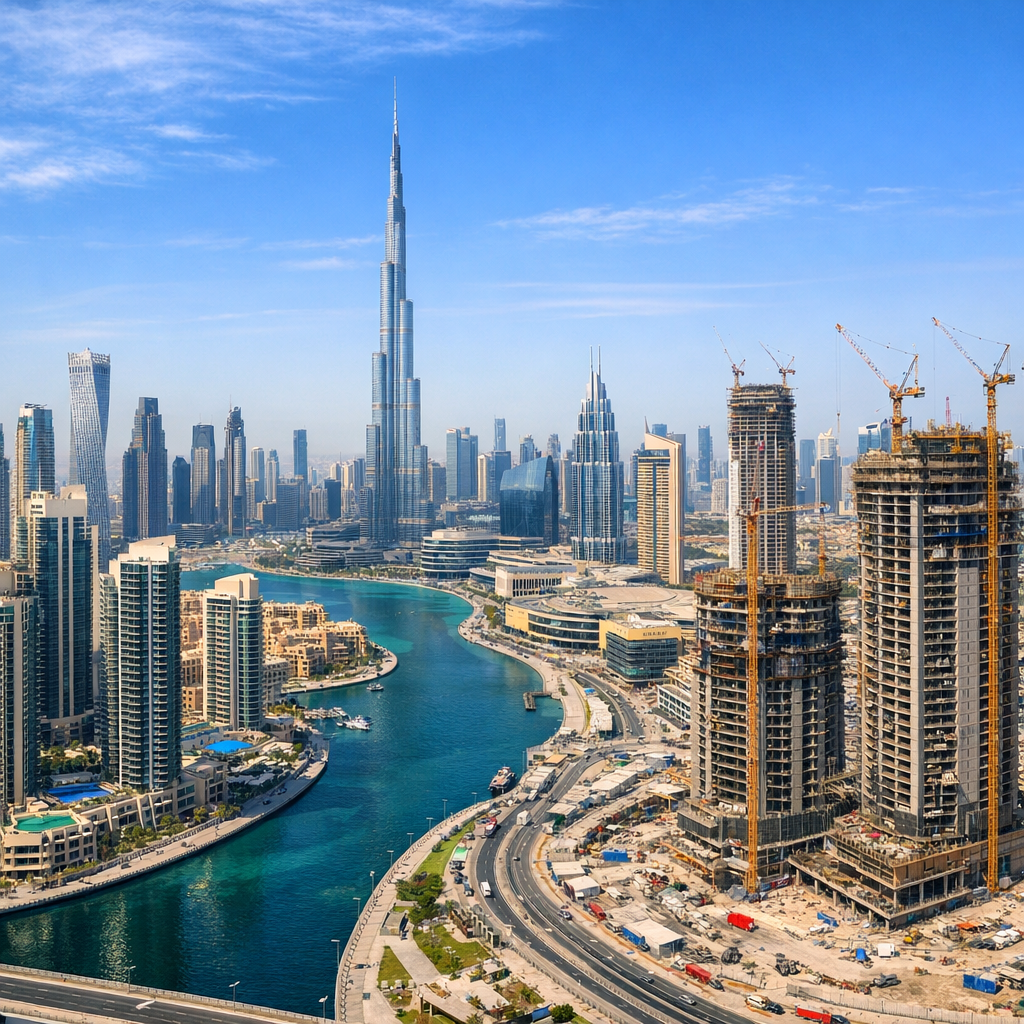
Dubai’s real estate market continues to evolve, offering a range of opportunities for residents and investors alike. Understanding the current trends in home buying, rentals, and local developments is essential for making informed decisions.
Home Buying Trends
Recent data indicates a significant shift from renting to home ownership among residents. This change is largely driven by favorable long-term residency policies, such as the UAE Golden Visa, and initiatives like Dubai’s First-Time Home Buyer Programme. Over the past six months, more than 2,000 residents have purchased their first homes under this program, contributing over AED 3.25 billion in residential property sales.
Additionally, there’s a growing interest in luxury and super-luxury homes, particularly those priced above AED 2,500 per square foot. This trend is supported by a notable increase in high-net-worth individual inflows, reinforcing Dubai’s position as a global leader in wealth migration.
Rental Market Dynamics
The rental market remains robust, with average gross residential rental yields standing at 6.58%. Apartments yield approximately 6.9%, townhouses 5.1%, and villas 4.5%. These returns are attractive compared to many established global property markets, continuing to draw international investor interest.
While rental growth has moderated compared to previous years, factors such as population growth, inward migration, and affordability constraints for some buyers support healthy occupancy levels across many established communities.
Local Developments and Infrastructure
Infrastructure developments play a crucial role in shaping the real estate landscape. Communities linked to major projects, like the upcoming Dubai Metro Blue Line, are expected to outperform. Areas such as Dubai Creek Harbour, Festival City, and parts of Dubai Silicon Oasis are already witnessing renewed interest as buyers prioritize connectivity and access to employment hubs.
Moreover, long-term infrastructure projects like Etihad Rail are reshaping investor perspectives. Corridors linked to logistics and inter-emirate connectivity, including Dubai South and surrounding industrial zones, are increasingly viewed as strategic, long-term investments.
Conclusion
Dubai’s real estate market offers a dynamic environment with opportunities across various segments. Whether considering purchasing a home, investing in rental properties, or exploring emerging communities, staying informed about current trends and developments is key to making sound decisions in this ever-evolving market.