

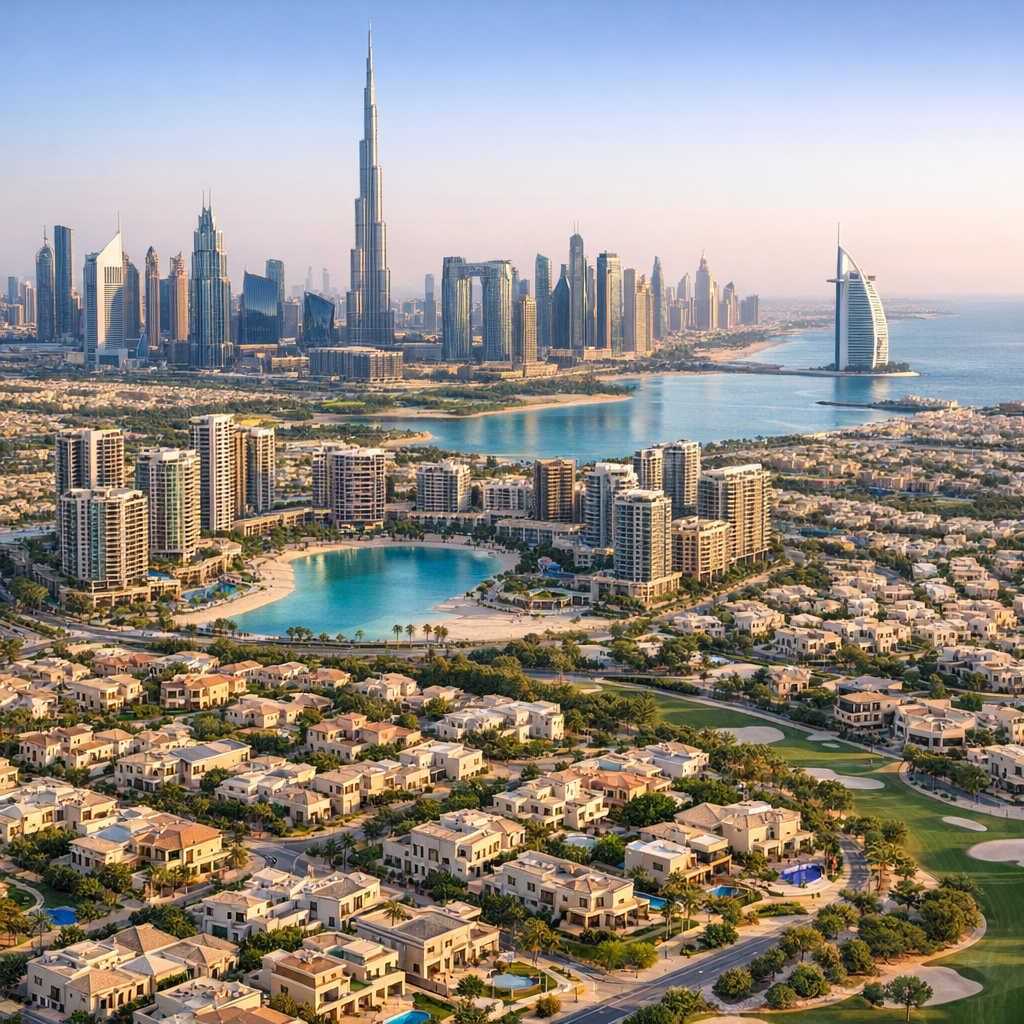
Dubai’s real estate market continues to evolve, presenting both challenges and opportunities for buyers, renters, and investors. Understanding the current trends is essential for making informed decisions.
Surge in Off-Plan Sales
Off-plan properties have gained significant traction, accounting for 62% of all transactions in the first quarter of 2026. Developers have responded with an unprecedented volume of new launches, introducing over 28,000 residential units in Q1 2026 alone. This surge is accompanied by increasingly attractive payment plans, including options like 1% per month during construction and extended post-handover plans.
Shift Towards Suburban Communities
As urban prices peaked in 2024, there’s been a noticeable shift towards suburban areas. Communities such as Jumeirah Village Circle (JVC), Arjan, and Al Furjan are experiencing increased off-plan activity. These areas offer more affordable options and are attracting both investors and end-users seeking value beyond the traditional luxury corridors.
Rental Market Dynamics
The rental market remains robust, with average asking rents increasing by 7–11% year-over-year across the emirate. Family-oriented communities and waterfront locations have seen the strongest growth. However, as property prices have also risen, gross rental yields have slightly compressed, particularly in premium locations where capital values have outpaced rent increases.
Luxury Segment Resilience
Dubai’s luxury real estate segment continues to act as a stabilizing force. Prime villas, branded residences, and waterfront homes remain in high demand, especially in established ultra-prime districts. Areas such as Palm Jumeirah, Jumeirah Bay Island, and Emirates Hills have shown strong resale activity and limited tolerance for discounts, even as the wider market becomes more price-sensitive.
Looking Ahead
As Dubai’s population approaches 4 million, affordability has become an increasingly important factor. Moderating rental pressure, particularly outside prime locations, is helping rebalance the market and support long-term residency and talent retention. The wave of new supply expected through 2026 is likely to introduce competition, with well-located and well-managed assets expected to remain resilient.
In this dynamic environment, staying informed about market trends and developments is crucial for making sound real estate decisions in Dubai.