

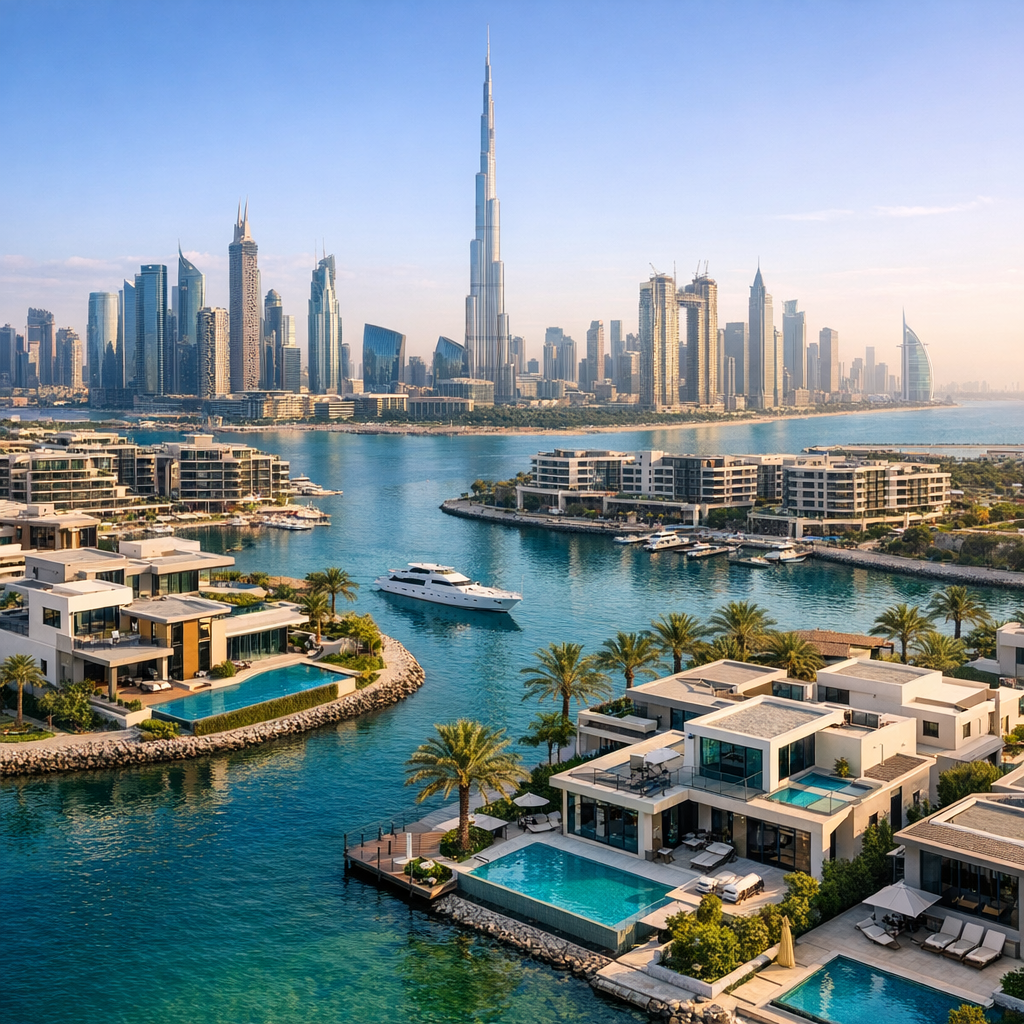
Dubai’s real estate market continues to evolve, reflecting changes in buyer behavior, rental patterns, and development focus. Understanding these trends is essential for residents and investors alike.
Shift Towards Homeownership
Recent data indicates a growing preference for purchasing over renting. The share of sale-listing impressions increased from 47% in 2024 to 49% in 2025, while rental impressions declined from 53% to 51%. This trend is influenced by favorable long-term residency policies, such as the UAE Golden Visa, and initiatives like Dubai’s First-Time Home Buyer Programme, which has facilitated over 2,000 residents in purchasing their first homes, contributing more than AED 3.25 billion in residential property sales.
Luxury Segment Growth
The luxury and super-luxury housing segments have seen significant growth, driven by a 46% year-on-year rise in high-net-worth individual inflows. Dubai attracted USD 63 billion in incoming wealth in 2025, reinforcing its status as a global leader in wealth migration. While prime locations like Downtown Dubai and Palm Jumeirah remain popular, newer communities such as Dubai Harbour and Maritime City are also gaining traction among luxury buyers.
Rental Market Dynamics
Dubai’s rental market remains robust, with average asking rents increasing by 7–11% year-over-year across the emirate. Family-oriented communities and waterfront locations have experienced the strongest growth. However, as property prices have risen, gross rental yields have slightly compressed, particularly in premium locations. Emerging areas like Dubai South, Al Furjan, and Town Square continue to offer attractive yields above 7.5%, appealing to income-focused investors.
Emerging Development Areas
Developers are increasingly focusing on suburban communities to meet the demand for affordable, family-friendly housing. Areas such as Jumeirah Village Circle (JVC), Arjan, and Al Furjan have seen considerable off-plan activity, offering price accessibility and stable rental demand. Master-planned areas like Dubai Hills, Dubai Creek Harbour, and The Oasis continue to effectively absorb new supply, thanks to their integrated amenities and long-term master plans.
As Dubai’s real estate market continues to mature, staying informed about these evolving trends is crucial for making well-informed decisions, whether you’re considering buying, renting, or investing in the city’s dynamic property landscape.