

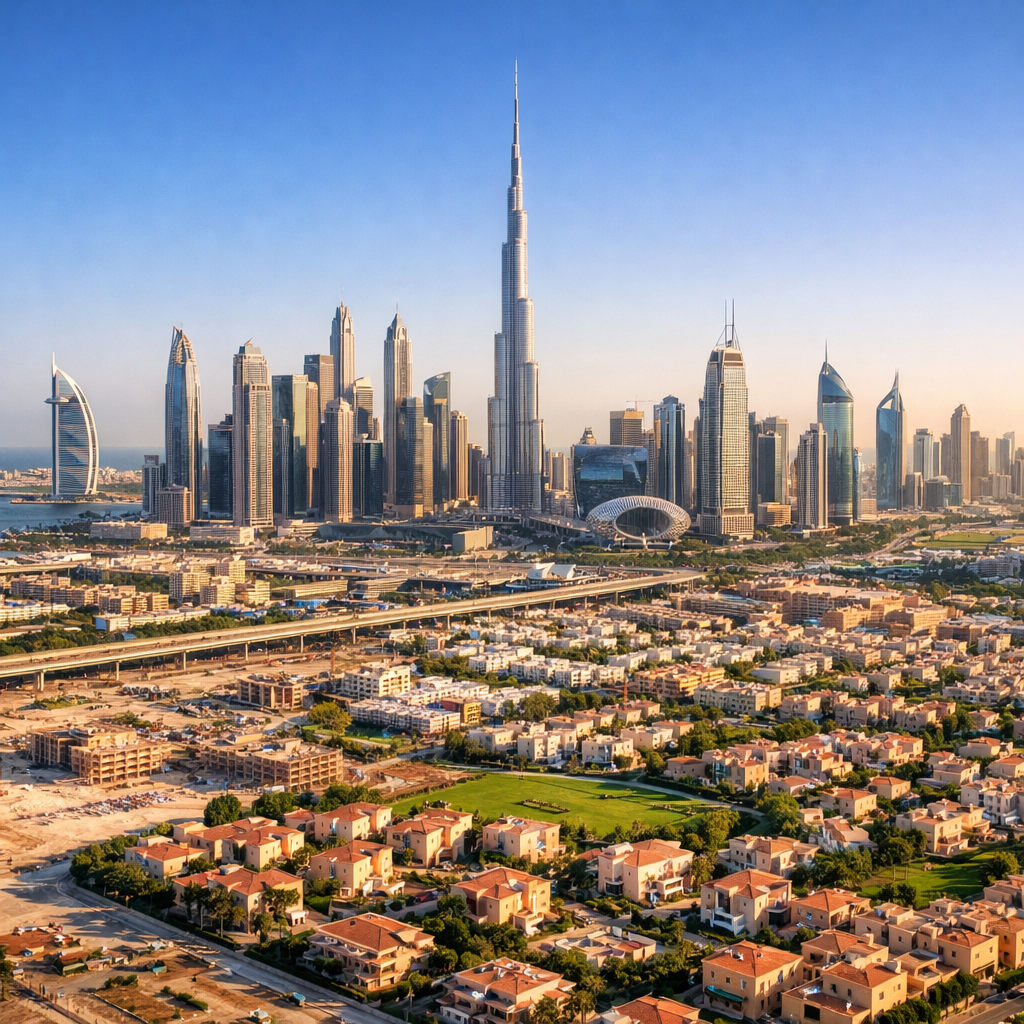
Dubai’s real estate market continues to evolve, reflecting changes in buyer preferences, rental patterns, and development initiatives. Understanding these trends is essential for residents and investors navigating the city’s dynamic property landscape.
Shift from Renting to Homeownership
Recent data indicates a growing inclination among residents to transition from renting to owning properties. This shift is influenced by favorable long-term residency policies, such as the UAE Golden Visa, and initiatives like Dubai’s First-Time Home Buyer Programme, which has facilitated over 2,000 residents in purchasing their first homes, contributing more than AED 3.25 billion in residential property sales.
Rising Demand for Luxury Properties
The luxury and super-luxury property segments have witnessed increased demand, driven by a significant influx of high-net-worth individuals. In 2025, Dubai attracted USD 63 billion in incoming wealth, reinforcing its status as a global hub for affluent investors. This trend has expanded beyond traditional prime locations to emerging communities like Dubai Harbour and Maritime City.
Rental Market Dynamics
Dubai’s rental market remains robust, with average asking rents increasing by 7–11% year-over-year across the emirate. Family-oriented communities and waterfront locations have experienced the strongest growth. However, as property prices rise, gross rental yields have slightly compressed, particularly in premium areas. Emerging districts like Dubai South and Al Furjan continue to offer attractive yields above 7.5%, appealing to income-focused investors.
Emergence of Suburban Communities
Suburban areas such as Jumeirah Village Circle (JVC), Arjan, and Al Furjan are gaining popularity among investors and residents. These communities offer more affordable housing options and stable rental demand, making them attractive alternatives to traditional luxury corridors. The development of master-planned areas like Dubai Hills and Dubai Creek Harbour further underscores this suburban shift.
Infrastructure and Connectivity
Connectivity is becoming a crucial factor in property valuation. Communities linked to major infrastructure projects, including the upcoming Dubai Metro Blue Line, are expected to outperform. Areas such as Dubai Creek Harbour, Festival City, and parts of Dubai Silicon Oasis are already seeing renewed interest due to improved accessibility and reduced commute times.
As Dubai’s real estate market continues to mature, staying informed about these trends will help residents and investors make strategic decisions aligned with the city’s evolving landscape.