

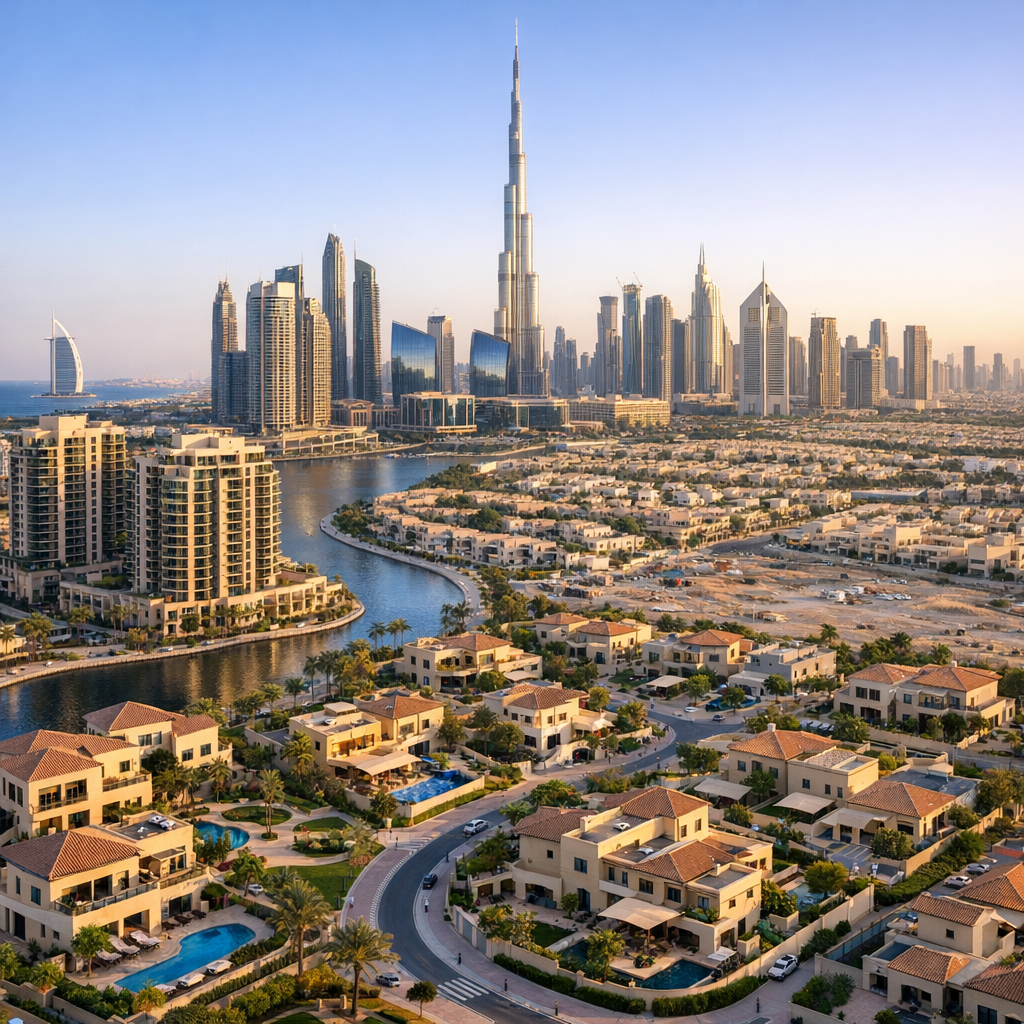
Dubai’s real estate market continues to evolve, reflecting changes in buyer behavior, rental patterns, and community developments. Understanding these trends is essential for residents and investors alike.
Shift Towards Homeownership
Recent data indicates a growing preference for purchasing over renting. The share of sale-listing impressions increased from 47% in 2024 to 49% in 2025, while rental impressions declined from 53% to 51%. This trend is influenced by favorable long-term residency policies, such as the UAE Golden Visa, and initiatives like Dubai’s First-Time Home Buyer Programme, which has facilitated over 2,000 residents in purchasing their first homes, contributing more than AED 3.25 billion in residential property sales.
Luxury Market Dynamics
The luxury and super-luxury segments have seen significant growth, with a 46% year-on-year rise in high-net-worth individual inflows. This influx has bolstered Dubai’s position as a global leader in wealth migration, attracting USD 63 billion in incoming wealth in 2025. While prime locations like Downtown Dubai and Palm Jumeirah remain popular, newer communities such as Dubai Harbour and Maritime City are also gaining traction among luxury buyers.
Rental Market Trends
Dubai’s rental market has experienced notable increases, with average rents rising by 9% citywide in 2025. Studios and one-bedroom apartments saw the sharpest increases, ranging from 11% to 13%, as population growth outpaced housing delivery. Short-term rental demand also grew, particularly in areas with robust tourism infrastructure like Dubai Marina, JBR, and Downtown, commanding premium nightly rates.
Emerging Communities and Developments
Suburban communities are becoming increasingly attractive, offering affordable housing options and family-friendly environments. Areas like Dubai South, Al Furjan, and Town Square continue to deliver yields above 7.5%, making them appealing for income-focused investors. Additionally, infrastructure investments, such as the Blue Line metro extension and the expansion of Al Maktoum International Airport, are enhancing the appeal of surrounding communities.
Conclusion
Dubai’s real estate market is characterized by a dynamic interplay of factors, including shifts towards homeownership, growth in the luxury segment, evolving rental dynamics, and the development of emerging communities. Staying informed about these trends is crucial for making well-informed decisions in this ever-changing landscape.