

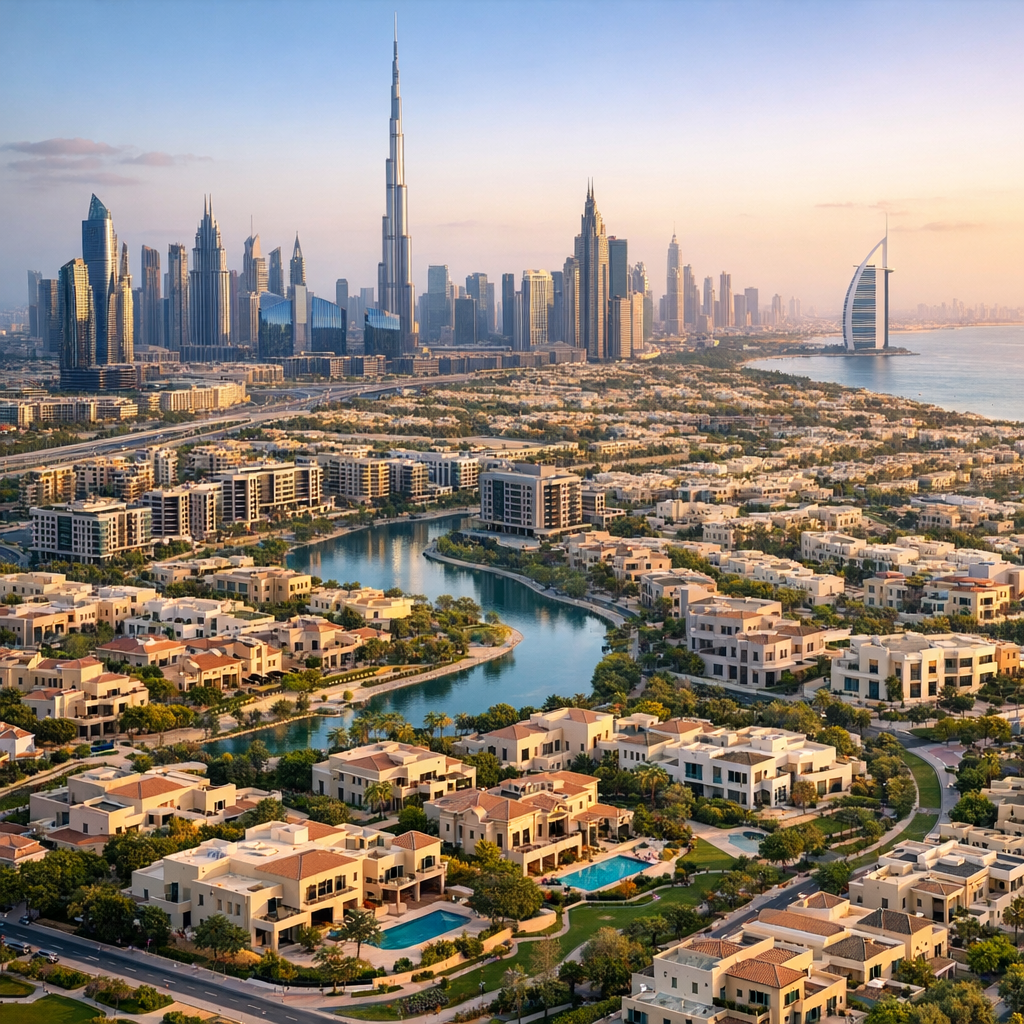
Dubai’s real estate market continues to evolve, reflecting changes in buyer preferences, rental patterns, and development focus areas. Understanding these trends is essential for residents and investors alike.
Shift Towards Homeownership
Recent data indicates a growing inclination among residents to transition from renting to owning properties. This shift is influenced by favorable long-term residency policies, such as the UAE Golden Visa, and initiatives like Dubai’s First-Time Home Buyer Programme, which has facilitated over 2,000 residents in purchasing their first homes, contributing more than AED 3.25 billion in residential property sales.
Rental Market Dynamics
While the rental market remains robust, there’s a noticeable moderation in growth rates. Average asking rents have increased by 7–11% year-over-year across the emirate, with the strongest growth in family-oriented communities and waterfront locations. However, because property prices have also risen—and in some segments faster than rents—gross rental yields have compressed slightly. This trend suggests a move towards a more balanced market, offering opportunities for both tenants and landlords.
Emerging Development Hotspots
Developers are increasingly focusing on suburban communities and areas with enhanced infrastructure. Master-planned areas like Dubai Hills, Dubai Creek Harbour, and The Oasis continue to effectively absorb new supply. Their integrated amenities and long-term masterplans are proving key to sustained demand. These areas are attracting investors due to price accessibility and stable rental demand, making them attractive alternatives to traditional luxury corridors.
Off-Plan Market Trends
The off-plan market remains a significant segment, with developers offering attractive payment plans to entice buyers. In Q1 2026, over 28,000 new residential units were launched, compared to roughly 22,000 in Q1 2025. Payment plans have become increasingly aggressive and buyer-friendly, with structures like 1% per month during construction, 10/90 post-handover plans extending to 5 years, and even 0% down payment offers from select developers.
Conclusion
Dubai’s real estate market is characterized by a dynamic interplay of factors, including policy initiatives, infrastructure development, and evolving buyer preferences. Staying informed about these trends is crucial for making strategic decisions in this ever-changing landscape.