

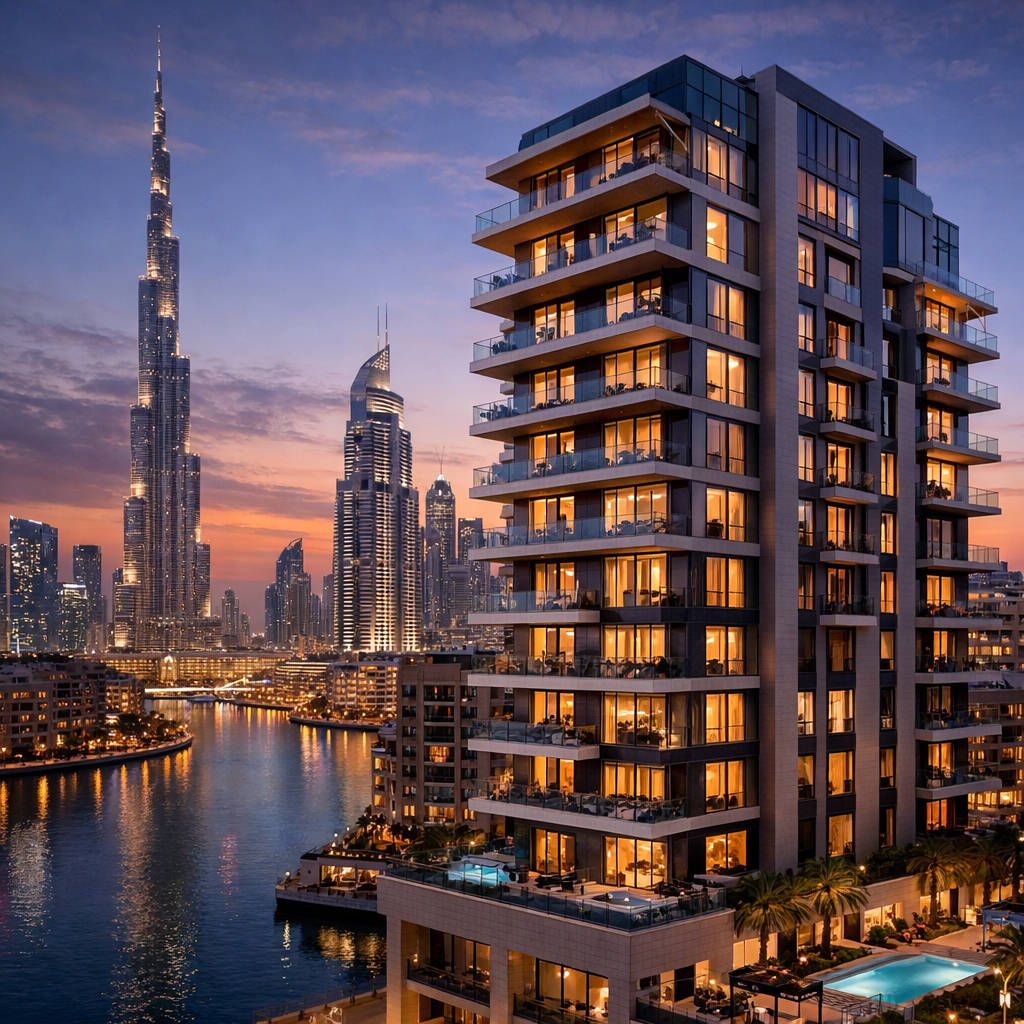
Dubai’s real estate market is showing clear signs of transition: rental rates are stabilizing, buyers are more selective, and regulatory protections are shaping better deals for many. This piece breaks down what’s changing now, whether you’re renting or buying, and what to watch so you enter the market with confidence.
What to Expect as a Renter
The rental market remains active, but the rapid rate increases of recent years are easing off. Apartments in many popular areas are seeing slower growth, while established villa communities are holding value better thanks to tight supply and steady long-term demand. Districts like Arabian Ranches continue to attract tenants seeking space over centrality.
Recent data shows median annual rents for new apartment contracts at about AED 70,000, up year-on-year by roughly 7%, while renewals lag behind. Villas, by comparison, command much higher levels but also come with larger upfront and maintenance costs.
Tenants today often have more negotiating power. With new buildings entering the market, landlords sometimes offer incentives — flexible payment terms, minor upgrades, or rent-free periods. Be sure to compare offers and read any leasing terms carefully: Dubai law regulates rent increases, especially through tools like the RERA Smart Rental Index.
Buying Property: What First-Time and Value-Seeking Buyers Should Know
For those looking to own, off-plan property continues to dominate residential sales — accounting for more than 70% of transactions in recent months. That means paying in installments, following developer timelines and ensuring buyer protections like escrow accounts and Oqood registration are part of the deal.
The First-Time Home Buyer Programme offers advantages for eligible residents purchasing property up to AED 5 million. It provides priority access, softer mortgage terms, and better pricing on selected developer launches. Ideal for those stepping into the market with moderate budgets.
When choosing developers, check past delivery performance, how far along current projects are, community amenities, and the location’s long-term appeal. Homes in mature communities usually enjoy better resale and rental yield stability.
How to Decide: Rent vs Buy
The decision depends on your plans, finances, and flexibility. If you’re staying in Dubai for a year or two and want flexibility, renting gives fewer headaches and less commitment. If you plan to stay longer, buying (especially off-plan) may give better returns, though upfront costs (down payment, fees, service charges) can be large.
Also consider what you value: access to schools, work, or lifestyle amenities like parks or transportation. These often influence both rent and resale values more than just square footage. Be realistic about maintenance, community charges, and hidden costs.
Tips to Come Out Ahead
- Use tools like Dubai Land Department’s rent calculator to check if proposed rent increases or listing prices are in line with market averages.
- For buyers, ensure any off-plan unit is registered properly and has an escrow account regulated by RERA. Demand transparency on payments and timelines.
- Keep an eye on new supply — areas with upcoming handovers often offer more choice and better negotiation power but may also see less rapid value growth.
- Stick to reputable agents and developers; local reputation, online reviews, and past project delivery are strong signals.
- Always budget for extras: agent commission, deposits for utilities, ongoing maintenance. Buying isn’t just the price tag, renting isn’t just the monthly cheque.
Dubai’s real estate market isn’t stalling — it’s adjusting. For both renters and buyers, the key is doing your homework, being clear on what you want, and moving when the right opportunity aligns with your personal priorities. With the right approach, the evolving market offers both stability and possibility.