

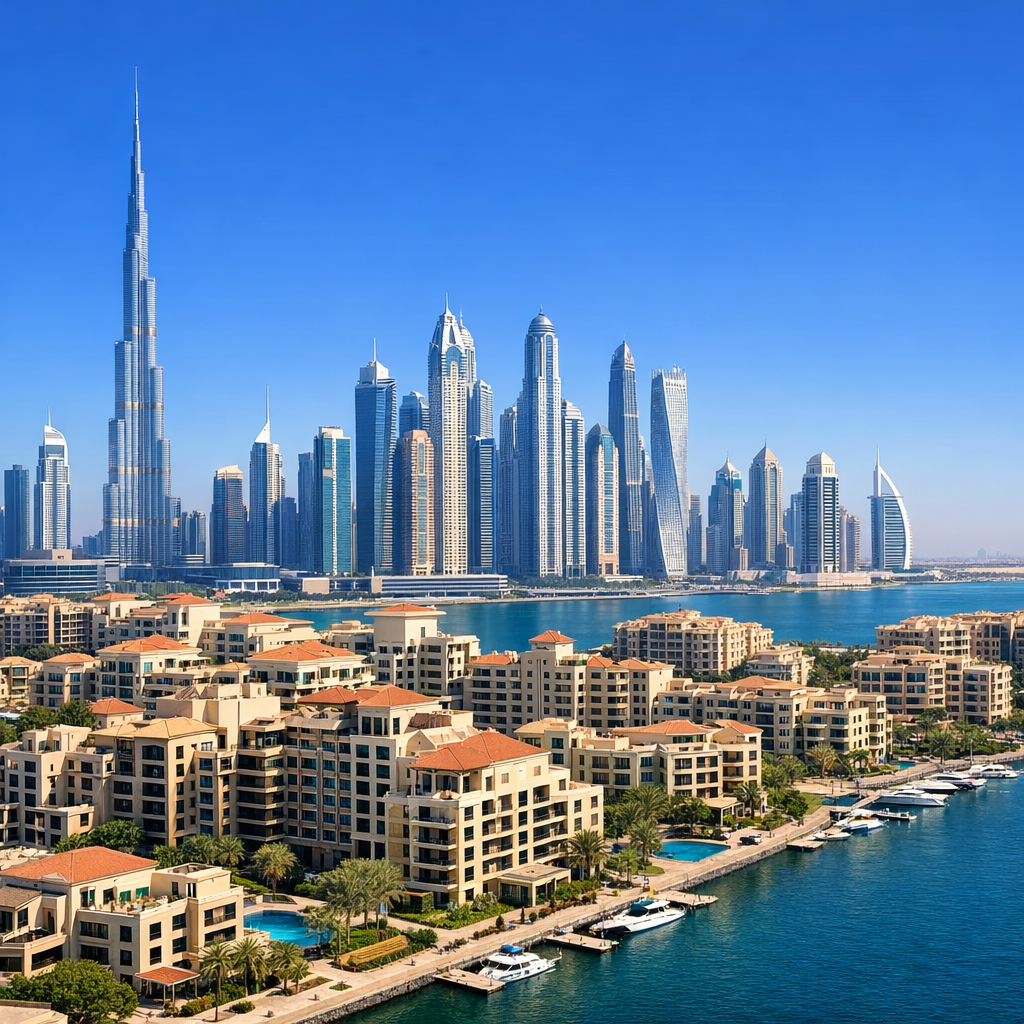
Dubai’s rental market is undergoing a significant transformation, moving towards greater stability after years of rapid growth. This shift presents both challenges and opportunities for tenants and landlords alike.
Seasonal Variations and Vacancy Rates
Historically, Dubai’s rental market has experienced seasonal fluctuations. Vacancy rates tend to peak around 16% during the summer months (July–September), influenced by the heat and school holidays. Conversely, these rates drop to approximately 5% in October and November, coinciding with increased relocations and business activities. This pattern underscores the importance of timing for both tenants seeking favorable deals and landlords aiming to minimize vacancies.
Supply Dynamics and Rental Trends
The introduction of new residential units has played a pivotal role in shaping the current rental landscape. In 2025, over 20,000 new units were delivered, with an additional 70,000 expected in the latter half of the year. This influx has led to increased competition among landlords, providing tenants with a broader range of options and enhanced negotiating power. Notably, areas like Jumeirah Village Circle (JVC), Arjan, Dubai Silicon Oasis, Discovery Gardens, and Sports City have seen significant new inventory, contributing to more competitive rental rates.
Shift Towards Homeownership
There’s a discernible trend of residents transitioning from renting to buying properties. This shift is driven by favorable long-term residency policies, such as the UAE Golden Visa, and initiatives like Dubai’s First-Time Home Buyer Programme. These measures have made homeownership more accessible, leading to a rise in property purchases and influencing rental demand.
Implications for Tenants and Landlords
For tenants, the current market conditions offer increased flexibility and bargaining power. The availability of diverse housing options allows for better alignment with individual preferences and budgets. Landlords, on the other hand, may need to adopt more tenant-centric approaches, focusing on competitive pricing and enhanced property offerings to attract and retain tenants in a more balanced market.
In conclusion, Dubai’s rental market is evolving towards a more stable and tenant-friendly environment. Staying informed about these trends is crucial for making strategic decisions, whether you’re looking to rent, buy, or invest in the city’s dynamic real estate sector.