

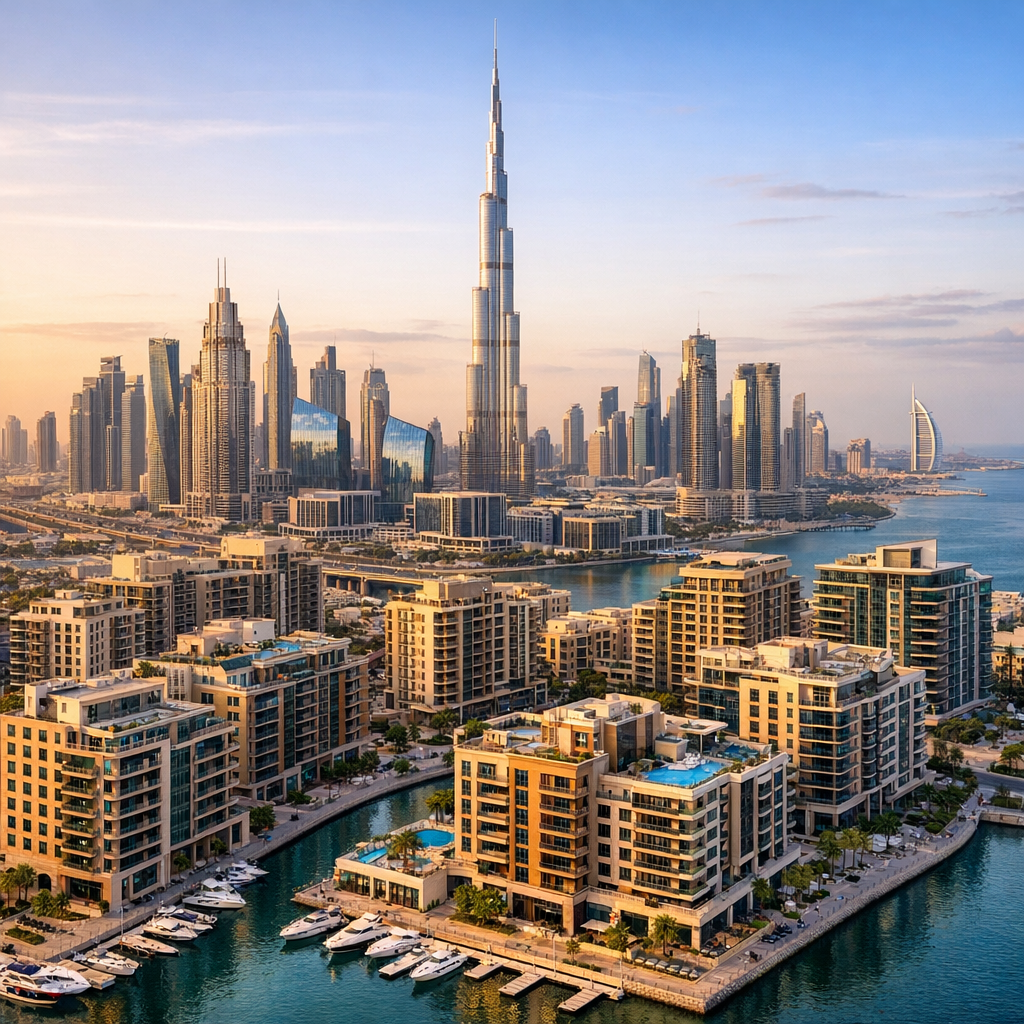
Dubai’s rental market is undergoing significant changes, presenting both challenges and opportunities for tenants and landlords alike. Understanding these shifts is crucial for making informed decisions in the current real estate environment.
Current Market Trends
Recent data indicates a softening in Dubai’s rental market. Average residential rents in the emirate have decreased by approximately 6.7% between early 2026 and April 2026. This decline is particularly pronounced in prime areas such as Downtown Dubai, Palm Jumeirah, and Jumeirah Lake Towers, where rents have fallen around 15%. This trend is largely supply-driven, with an influx of new properties providing tenants with more choices and greater negotiating power.
Impact on Tenants
For tenants, this market shift translates to increased opportunities. The greater availability of rental properties allows for more favorable lease terms and potential cost savings. Additionally, the Smart Rental Index, Dubai’s AI-based rent regulation tool, now governs how much landlords can legally raise rents, working in tenants’ favor in a softening market.
Considerations for Landlords
Landlords and property investors may face challenges due to compressed pricing power and heightened competition. Retaining tenants becomes more critical, and offering competitive rates and flexible terms can be advantageous in maintaining occupancy levels.
Looking Ahead
While the current trend shows a softening in the rental market, it’s essential to monitor ongoing developments. Factors such as regional economic conditions, future property supply, and regulatory changes will continue to influence Dubai’s real estate landscape. Staying informed and adaptable will be key for both tenants and landlords navigating this evolving market.