

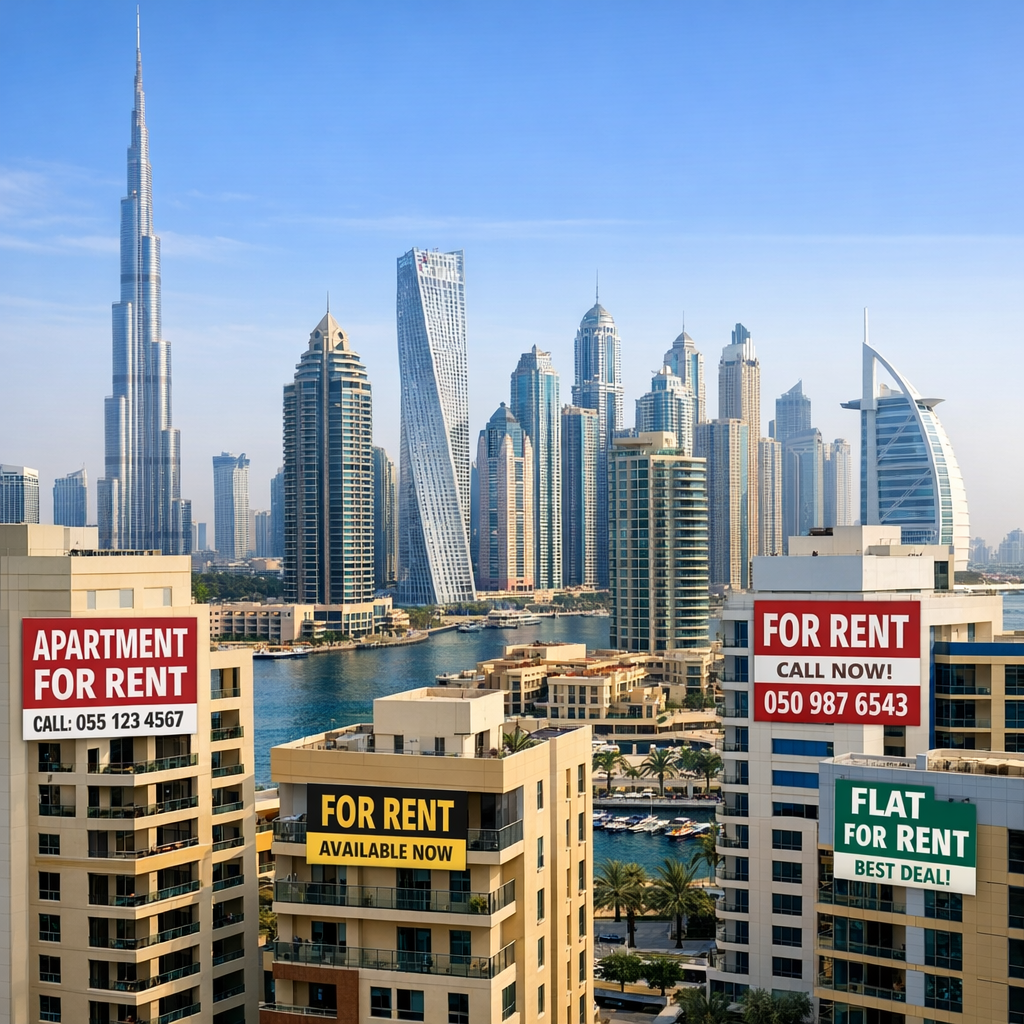
Dubai’s rental market is undergoing significant changes, presenting both challenges and opportunities for tenants and landlords alike. Understanding these shifts is crucial for making informed decisions in the current real estate environment.
Current Market Trends
Recent data indicates a softening in Dubai’s rental market. Average residential rents in the emirate have decreased by approximately 6.7% between early 2026 and April 2026. This decline is particularly pronounced in prime areas such as Downtown Dubai, Palm Jumeirah, and Jumeirah Lake Towers, each experiencing rent reductions around 15%. The primary driver behind this trend is an increase in housing supply, providing tenants with more options and greater negotiating power.
Understanding the Smart Rental Index
The Real Estate Regulatory Agency (RERA) has implemented the Smart Rental Index, an AI-based tool that governs permissible rent increases. This index ties allowable increases to how far a tenant’s current rent is below the market average and the classification of the building. In a softening market, this mechanism often works in favor of tenants, limiting the extent to which landlords can raise rents upon renewal.
Implications for Tenants
For tenants, the current market conditions offer a window of opportunity. With increased supply and the Smart Rental Index in place, tenants have more leverage to negotiate favorable terms. It’s advisable for tenants to stay informed about market averages in their area and to be proactive in discussions with landlords regarding rent adjustments.
Strategies for Landlords
Landlords are facing a more competitive market, necessitating strategic approaches to tenant retention and property management. Maintaining properties in excellent condition, offering flexible lease terms, and being responsive to tenant needs can enhance attractiveness. Additionally, understanding and adhering to the guidelines set by the Smart Rental Index is essential to ensure compliance and to make informed decisions about rent adjustments.
Looking Ahead
While the current trend shows a softening in the rental market, it’s important to monitor ongoing developments. Factors such as economic conditions, population growth, and future housing supply will continue to influence the market dynamics. Both tenants and landlords should stay informed and adaptable to navigate the evolving landscape effectively.
In conclusion, Dubai’s rental market is experiencing a period of adjustment. By understanding the current trends and regulatory frameworks, tenants and landlords can make informed decisions that align with their respective interests and contribute to a balanced and dynamic real estate market.