

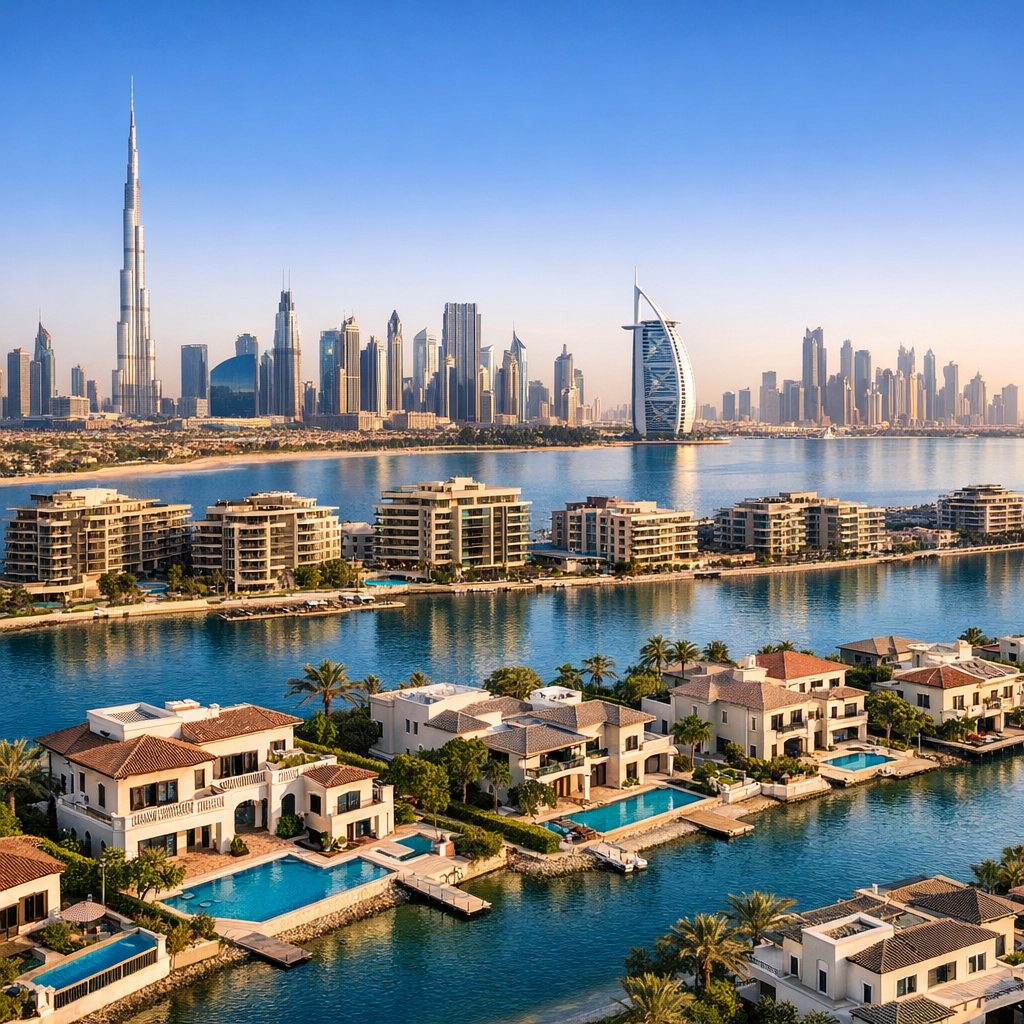
Dubai’s rental market is experiencing notable shifts, presenting both challenges and opportunities for tenants and landlords. Understanding these trends is essential for making informed decisions.
Current Market Trends
Recent data indicates a divergence in rental trends between apartments and villas. As of mid-2026, the average apartment rent in Dubai decreased to approximately AED 90,940, marking a 4.6% decline from the first quarter of the year. This softening is particularly evident in prime areas like Downtown Dubai, Palm Jumeirah, and Jumeirah Lake Towers, which have seen rent reductions averaging around 15% from their peaks. In contrast, villa rents have continued to rise, with an average increase of 3.3% over the quarter, reaching approximately AED 229,000. This trend underscores a growing preference for more spacious living environments.
Factors Influencing the Market
Several factors contribute to these market dynamics. A significant influx of new apartment units has increased supply, leading to greater competition among landlords and providing tenants with more options. Additionally, regional security concerns earlier in the year temporarily dampened demand, resulting in a decrease in new rental contracts by over a third in March 2026. However, the market began to stabilize by April, with rental contract volumes rising about 16% year-on-year.
Implications for Tenants
For prospective tenants, the current market offers opportunities to negotiate favorable terms, especially in the apartment segment. With increased availability and softened rents, tenants have more leverage to secure better deals. It’s advisable to research various neighborhoods, compare rental rates, and consider factors such as proximity to work, amenities, and community services.
Guidance for Landlords
Landlords, particularly those with apartment properties, may need to adjust their strategies to attract and retain tenants. Competitive pricing, property enhancements, and flexible lease terms can make properties more appealing. Staying informed about market trends and being responsive to tenant needs are crucial for maintaining occupancy rates.
Looking Ahead
While the market has experienced fluctuations, Dubai’s real estate sector remains resilient. The city’s ongoing development projects and strategic initiatives continue to attract residents and investors. Both tenants and landlords should stay informed about market developments to make strategic decisions that align with their goals.
By understanding the current landscape and adapting accordingly, stakeholders can navigate Dubai’s evolving rental market effectively.