

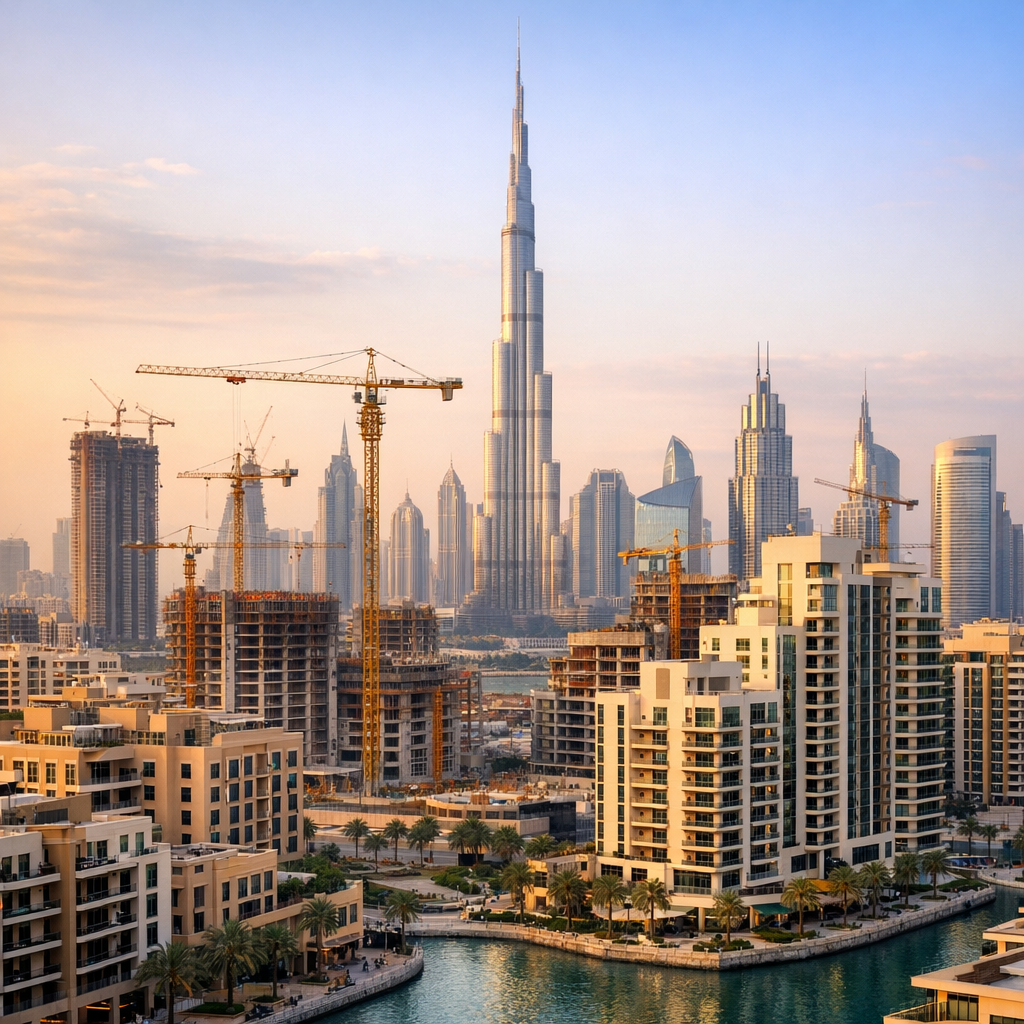
Dubai’s rental market is experiencing notable shifts, presenting both challenges and opportunities for tenants and landlords. Understanding these changes is crucial for making informed decisions.
Current Trends in Rental Prices
Recent data indicates a cooling in rental prices across various segments. For instance, average apartment rents in Dubai decreased by approximately 4.6% in April 2026 compared to the first quarter of the year. Conversely, villa rents saw a modest increase of 3.3% during the same period. This divergence highlights the varying demand dynamics between property types.
Supply Dynamics and Their Impact
The influx of new residential units has significantly influenced the rental landscape. In 2026, Dubai’s delivery pipeline includes around 71,000 to 72,000 forecasted units. Areas such as Jumeirah Village Circle (JVC), Arjan, Dubai Silicon Oasis, Discovery Gardens, and Sports City have absorbed substantial new inventory, intensifying competition among landlords and providing tenants with more options.
Stabilizing Areas Amid Market Fluctuations
Despite the overall market cooling, certain communities have maintained stable rental prices due to sustained demand and limited new developments. Notably, Dubai Marina and Downtown Dubai have shown resilience, with values remaining relatively steady. This stability is attributed to their established infrastructure and lifestyle appeal.
Strategic Advice for Tenants and Landlords
For tenants, the current market conditions offer increased negotiating power. With a broader selection of properties and more competitive pricing, it’s an opportune time to secure favorable rental terms. Prospective renters should explore various communities to find options that align with their preferences and budgets.
Landlords, on the other hand, may need to adjust their strategies to attract and retain tenants. Emphasizing property maintenance, offering competitive pricing, and providing flexible lease terms can enhance appeal in a more competitive market. Understanding tenant priorities and adapting accordingly will be key to minimizing vacancy periods.
In conclusion, Dubai’s rental market is undergoing significant transformations influenced by supply dynamics and shifting demand patterns. Staying informed about these trends will empower both tenants and landlords to make strategic decisions in this evolving landscape.