

By Layla Al-Mansoori
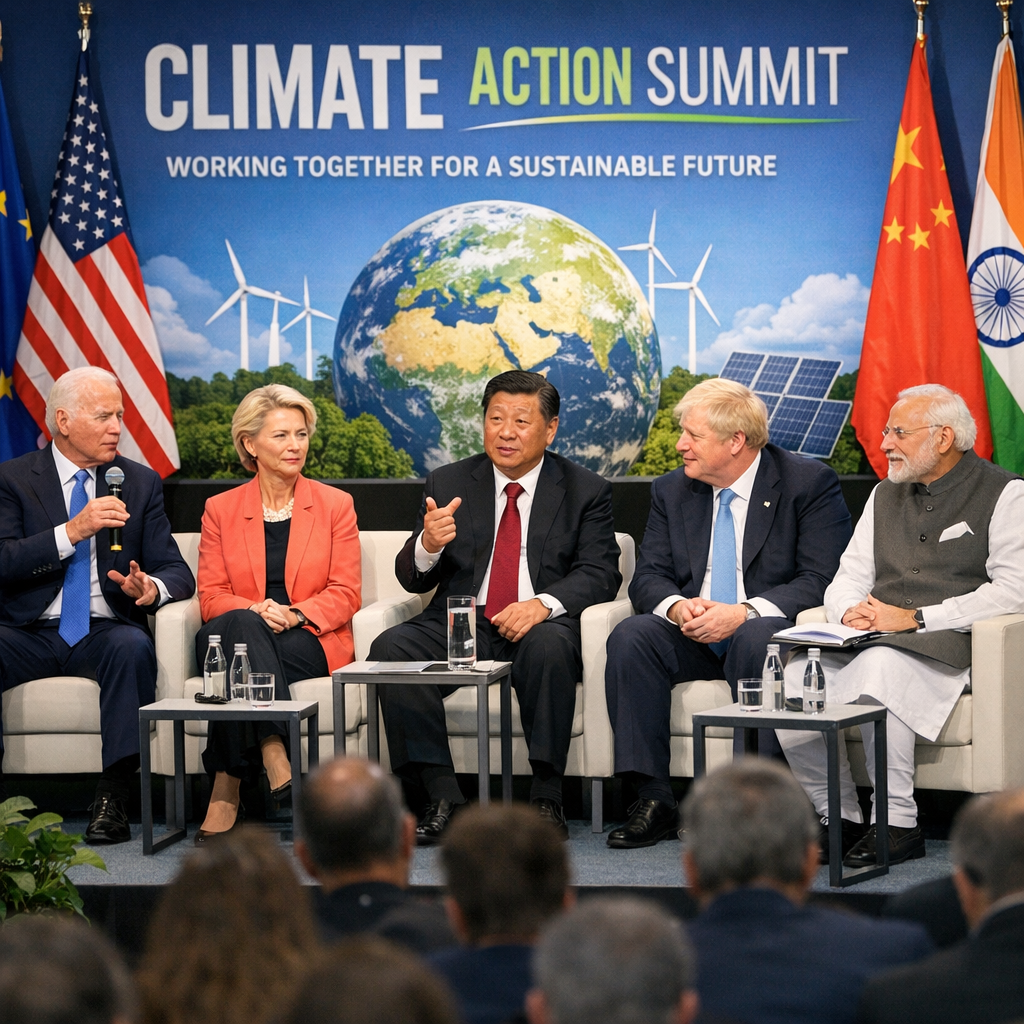
As climate change escalates, world leaders are increasingly relying on diplomacy, trade policies, and environmental treaties to coordinate action across borders. In this article, we break down the major threads in global climate diplomacy—carbon pricing, multilateral treaties, and international cooperation—and examine how they are likely to influence both the future of policy and the role of countries like the UAE.
Carbon Pricing: A Global Tool Gaining Traction
Carbon pricing—a system in which emitters pay for their greenhouse gas emissions—is becoming a central mechanism in many nations’ climate plans. The European Union has led the charge, driving cooperation among countries to implement carbon markets and compliance mechanisms. Recent years have seen increases in carbon pricing policies in nations including Japan, Mexico, India, Brazil, Türkiye, Indonesia, Chile, Colombia, and Bolivia. These agreements are viewed not just through the lens of environmental benefit but as vital components of equitable trade and investment frameworks.
Why Carbon Markets Matter
These markets aim to translate emissions reductions into measurable economic incentives. For developing countries, they offer a path toward climate responsibility without forfeiting growth. Developed economies see them as tools to avoid “carbon leakage,” where emissions shift rather than decrease. As these systems expand, issues of fairness, transparency, and enforcement are now top priorities in multilateral discussions.
The Paris Agreement & National Climate Pledges
Since its adoption, the Paris Agreement has underpinned global climate governance. Its goal is to keep global temperature rise well below 2 °C above pre-industrial levels, with an ideal target of 1.5 °C. Countries submit “nationally determined contributions” (NDCs), which are expected to become climbing benchmarks of ambition over time. In 2025, a significant set of these updated NDCs—called NDCs 3.0—will reflect lessons from the first Global Stocktake, assessing collective progress toward these goals.
Challenges in Implementation
Despite formal commitments, many nations struggle with financing, technical capacity, and political will to hit their targets. Access to reliable climate finance remains uneven. Vulnerable countries are pushing harder for loss and damage compensation, adaptation support, and more inclusive negotiations. Monitoring and transparency mechanisms are under scrutiny. These challenges make global cooperation difficult, especially under shifting geopolitical conditions.
Trade, Diplomacy, and Environmental Treaties
Climate diplomacy now encompasses trade agreements and broader economic policies. Global agreements are increasingly linking trade rules with sustainable development, energy transitions, and critical resource supply chains. Bilateral and plurilateral trade treaties are helping set standards for carbon emissions, renewable energy, and shared environmental goals.
The Role of Diplomacy
Diplomatic engagements—especially through forums like the United Nations and specialized climate summits—are the platform where policy norms are shaped. Issues like carbon market compliance, environmental justice, and equitable finance for climate action are rising in prominence. Developed and developing nations alike are realigning international relationships through climate-related partnerships.
Why This Matters for the UAE and the Region
The UAE is well-placed to be a regional climate diplomacy leader. With strategies already in motion for renewable energy investment, sustainable infrastructure, and participation in global environmental initiatives, the country stands at an intersection of influence in the Middle East and beyond.
Successful climate diplomacy means that countries like the UAE will need to balance their development goals with global climate obligations. Carbon pricing, green trade partnerships, and transparent reporting may become more significant, particularly if decisions at platforms like COPs lead to tougher international standards.
Looking Ahead
Global climate diplomacy is accelerating, but gaps remain—especially in finance, equity, and implementation. For meaningful progress, countries will need to not only negotiate strong agreements but also ensure domestic policies align with them. Public visibility, stakeholder engagement, and cross-border cooperation will be crucial.
For readers here in the UAE and Dubai, watching global trends isn’t just about observing; it’s about preparing. Whether through policy, business, or community efforts, there’s strong opportunity in being part of the international push for climate accountability—one rooted both in urgency and possibility.