

By Layla Al-Mansoori
Here in Dubai, halfway between the tensions in the South China Sea and the drought-worsened fields of East Africa, two intertwined global crises show how fragile our interdependent world has become. One is the sharp rise in food insecurity across many regions; the other, a simmering geopolitical dispute in critical maritime corridors. This is a snapshot of where these problems stand, what drives them, and why they concern all of us—even if half a world away.
Global Food Insecurity: A Crisis Beyond Aid
Recent reports from the United Nations and partner agencies show modest improvement in food security in 2025, after several harsh years—but the gains remain uneven and fragile. Around 7.8% of the world’s population still faces hunger, and more than 2 billion people experience moderate or severe food insecurity, including deprivations in the quality of their diets. Vulnerable communities—rural areas, women, children—are most affected. Healthy, nutritious food remains out of reach for many, especially in large parts of Africa.
Some of the biggest pressures come from conflicts disrupting production and trade, climate shocks that reduce harvests and water supplies, and rising costs for fuel, fertilisers, and transport. In the Middle East, turmoil has spill-over effects: supply chains are strained, import bills soar, and food flows become less predictable.
Many international agencies now emphasise that humanitarian aid alone cannot solve the root causes. Long-term resilience—such as investing in agriculture, supporting small-scale farmers, ensuring open trade routes, and prepping systems for climate extremes—is essential.
Maritime Fault Lines: The South China Sea Disputes
Thousands of miles east, the South China Sea remains one of the most contested maritime regions in the world. Multiple states—including China, the Philippines, Vietnam, Malaysia, Taiwan, Brunei—claim overlapping rights to islands, reefs and maritime zones. An international tribunal once ruled against many of China’s sweeping claims, but tensions continue unabated.
Tensions have measured up recently: the Philippines lodged a formal claim for expanded seabed rights, sparking strong objections from China. At sea, incidents such as water-cannon use near disputed shoals and planned joint patrols by the United States, Japan, and the Philippines underline how conflicts are more than diplomatic—they’re operational.
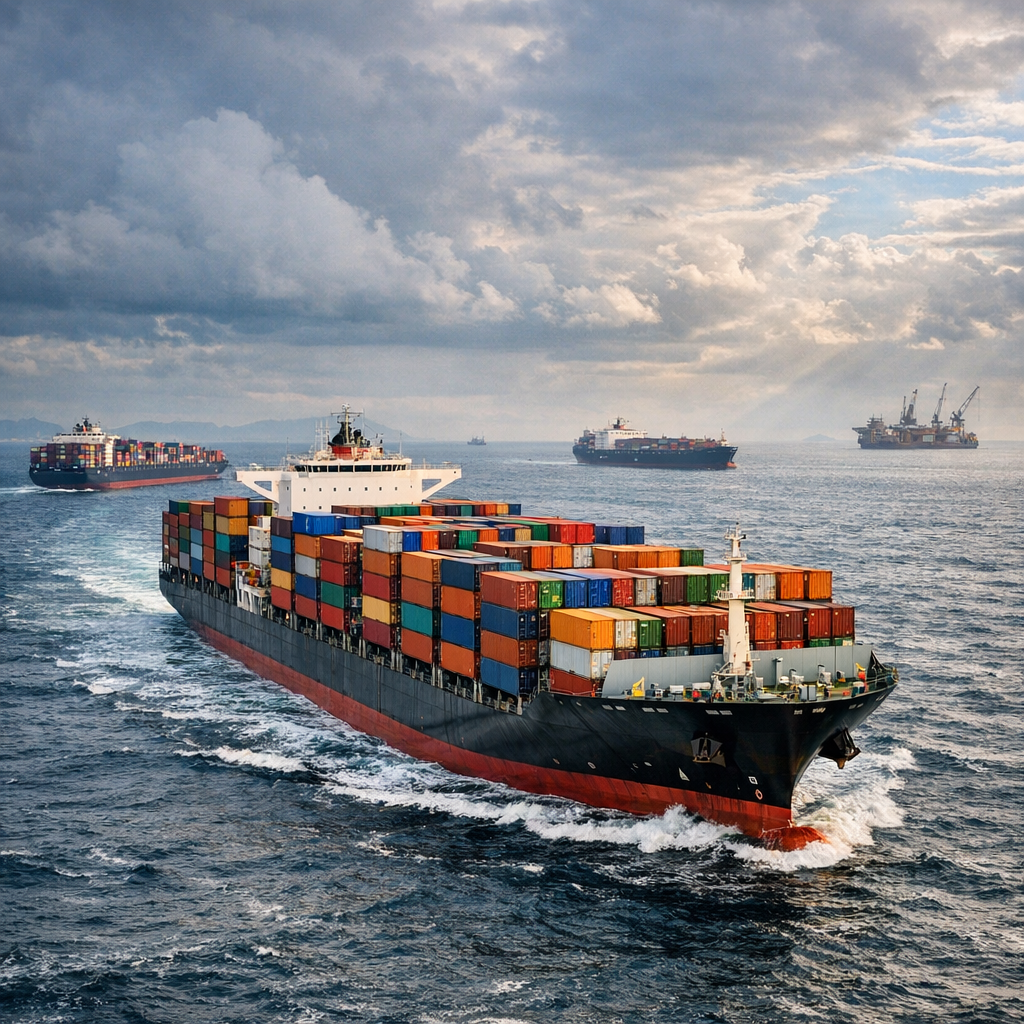
The South China Sea isn’t only an Asian concern. These waters host critical global shipping lanes—estimates suggest up to a third of all maritime trade, including energy imports and crucial commodities, passes through here each year. Any disruption—whether caused by confrontations or restrictions—can echo around the world in rising costs, supply delays, and strategic recalibrations.
Ties Between Crises: Trade, Nutrition and Stability
While food insecurity and maritime disputes may seem distinct, they’re connected. Trade disruptions in crucial sea lanes can sharply increase the cost of shipping grain, fuel and other essentials. That further drives hunger and inflation, especially in import-dependent nations. When shipping risks or blockades grow, those already vulnerable suffer fastest.
Similarly, competition over seas, islands, and fishing zones can escalate into broader conflicts, undermining regional stability. Politically volatile zones often overlap with high food insecurity. This makes diplomatic mechanisms, international law and dialogue not just good-to-have, but essential to avert cascading crises.
What Dubai and the GCC Can Watch For
- The impact of global food price fluctuations, especially wheat and staple imports.
- Disruptions to global shipping—both through Suez-Red Sea routes and Asian corridors—which ripple through supply chains here.
- How oil and fertiliser prices respond to energy risks tied to sea disputes.
- Policy shifts from major powers (EU, U.S., China) around trade, climate, and security, which influence export-import balances.
Towards Solutions: Solidarity + Strategy
Addressing these global issues requires coordination. Dubai and the UAE are already active players: investing in food-security projects abroad, diversifying food sources, and supporting climate-smart agriculture. Continued cooperation through international fora, maintaining open seas, backing humanitarian and development aid, and integrating environmental resilience into policy are key steps forward.
In a connected world, distance doesn’t always protect—sometimes it just delays the impact. By paying attention, taking action, and staying informed, we protect not just our immediate futures here in Dubai, but the stability and wellbeing of people everywhere.