

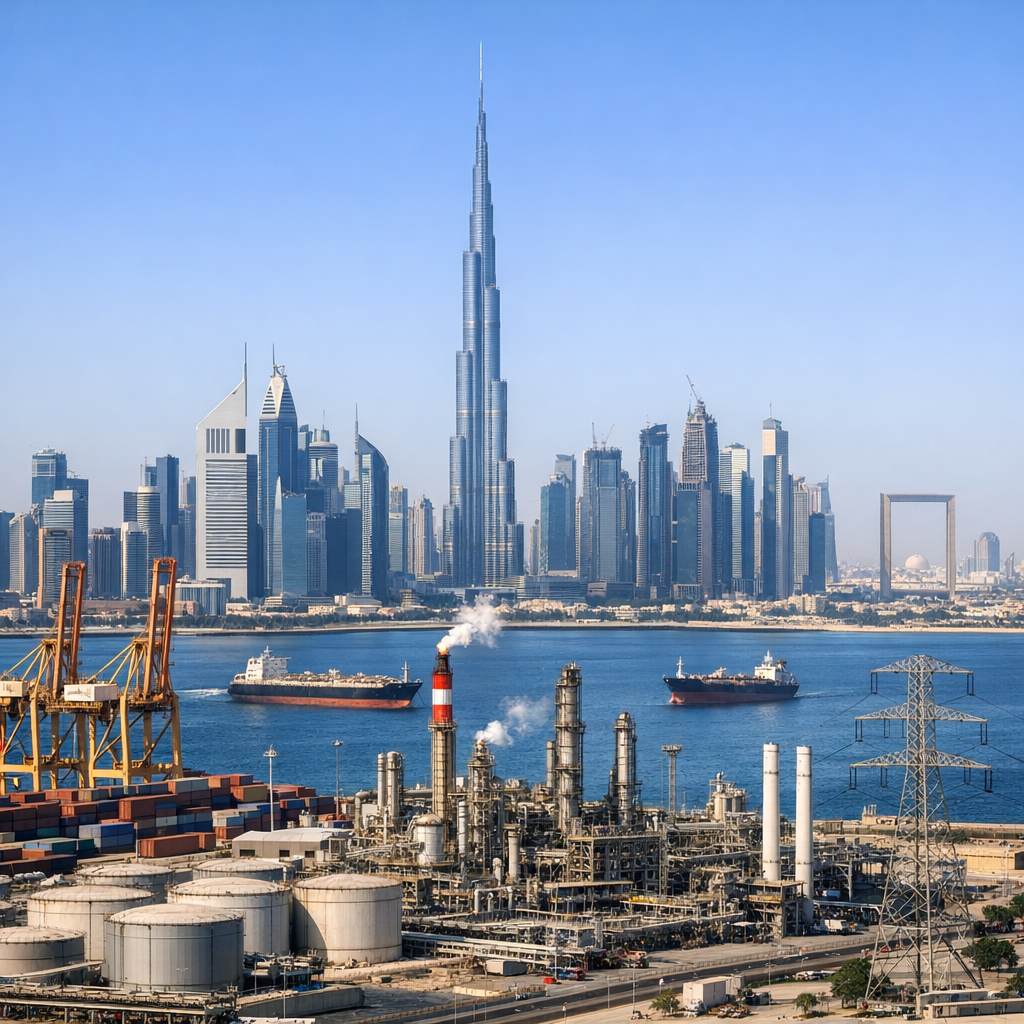
The global economy is currently navigating a complex landscape marked by geopolitical tensions, energy market volatility, and evolving trade dynamics. These factors collectively influence economic growth, inflation rates, and investment patterns worldwide.
Global Economic Overview
Recent analyses indicate a moderation in global economic growth. The Organization for Economic Cooperation and Development (OECD) projects global growth to slow to 2.8% in 2026, down from 3.4% in 2025. This deceleration is attributed to factors such as the ongoing conflict in the Middle East, which has disrupted energy markets and heightened inflationary pressures.
In the United States, the economy demonstrates resilience, with a projected GDP growth of 2.0% in 2026. This stability is supported by robust consumer spending and significant investments in artificial intelligence and defense sectors. Conversely, the Eurozone faces challenges, with growth expected to remain modest at 0.8% in 2026, primarily due to rising energy costs impacting industrial output.
Energy Market Volatility
The Middle East conflict has led to disruptions in oil exports, particularly from the Persian Gulf, causing a surge in global energy prices. West Texas Intermediate crude is trading around $90 per barrel, and diesel prices remain elevated, affecting transportation and logistics costs globally. These developments contribute to rising inflation, with global rates expected to reach approximately 4.5%.
Trade Dynamics and Policy Shifts
Trade policies are undergoing significant changes. The European Union is increasingly concerned about a potential influx of inexpensive Chinese exports, which could adversely affect key industries. This apprehension is shaping current EU trade policies, especially as China’s trade surplus reached a record $1.2 trillion last year. Additionally, the United States is implementing new tariffs on countries failing to prevent imports made with forced labor, further influencing global trade patterns.
Implications for Dubai
Dubai’s economy, characterized by its strategic location and diversified sectors, is not immune to these global shifts. The rise in energy prices could impact operational costs across industries, from transportation to manufacturing. However, Dubai’s proactive approach to economic diversification and investment in technology and infrastructure positions it to navigate these challenges effectively.
Moreover, the evolving trade dynamics present both challenges and opportunities. While increased tariffs and trade tensions may disrupt traditional trade routes, Dubai’s status as a global trade hub allows it to adapt by exploring new markets and strengthening existing partnerships.
Conclusion
As the global economic landscape continues to evolve, staying informed about these developments is crucial. Dubai’s resilience and strategic initiatives provide a solid foundation to adapt to these changes, ensuring sustained growth and prosperity in the face of global economic shifts.