

The global economy is currently experiencing a period of moderate growth, with projections indicating a slowdown to 2.7% in 2026, down from 3% in 2025. This deceleration is attributed to factors such as trade tensions, fiscal strains, and persistent uncertainty. Despite these challenges, certain regions and sectors continue to demonstrate resilience.
Global Economic Trends
In the United States, consumer spending and investments in artificial intelligence are expected to drive moderate growth, with GDP projected to rise by 2.1% in 2026. Europe, however, faces slower growth at 0.9%, influenced by energy challenges and geopolitical tensions. China anticipates a growth rate of 4.6%, supported by infrastructure investments and technological exports, while India remains a standout with a projected growth of 6.4%, driven by robust consumer demand.
Dubai’s Economic Outlook
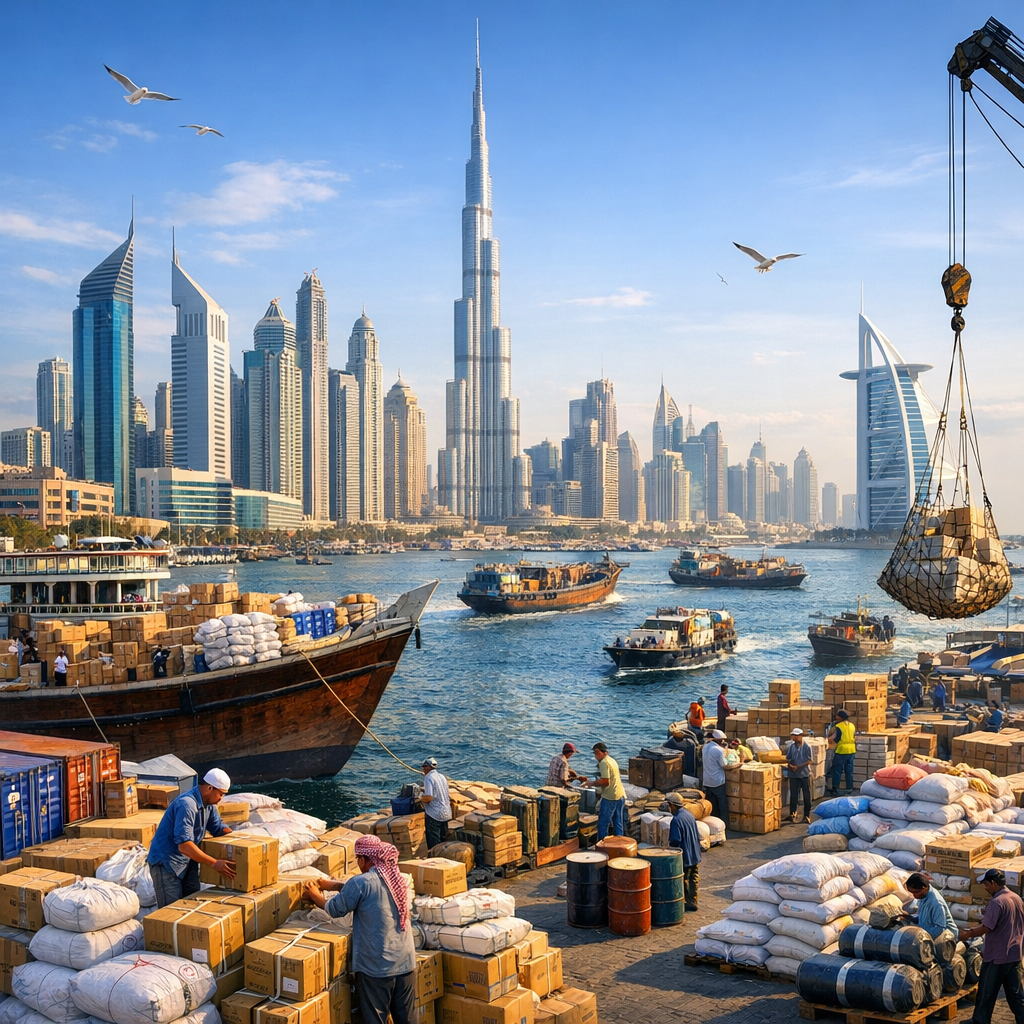
As a global trade and tourism hub, Dubai’s economy is intricately linked to these international developments. The anticipated slowdown in global growth may impact trade volumes and investment flows into the region. However, Dubai’s strategic initiatives in diversifying its economy, particularly through investments in technology and infrastructure, position it to navigate these challenges effectively.
Furthermore, Dubai’s emphasis on becoming a leading center for artificial intelligence and innovation aligns with global trends, potentially attracting international partnerships and investments. The city’s proactive approach to economic diversification and its strategic location continue to bolster its resilience amid global economic shifts.
Conclusion
While the global economic landscape presents certain challenges, Dubai’s strategic initiatives and diversified economy provide a solid foundation to adapt and thrive. By staying attuned to global trends and leveraging its strengths, Dubai is well-positioned to navigate the complexities of the current economic environment.