

The global economy is currently experiencing a period of moderate growth, with projections indicating a slowdown to 2.7% in 2026, down from 3% in 2025. This deceleration is attributed to factors such as subdued investment and structural challenges, despite easing inflation and monetary policy adjustments.
In the United States, consumer spending and capital investments in artificial intelligence are expected to drive moderate growth, with the economy showing resilience despite challenges like high inflation and affordability concerns. Europe, however, faces slower growth, with the Eurozone projected to expand by only 0.8% in 2026, influenced by rising energy prices and other economic pressures.
Asia presents a mixed picture: India is anticipated to lead with robust growth of 6.4%, propelled by strong consumer demand, while China’s growth is expected to slow to 4.5%, hindered by issues in the property sector.
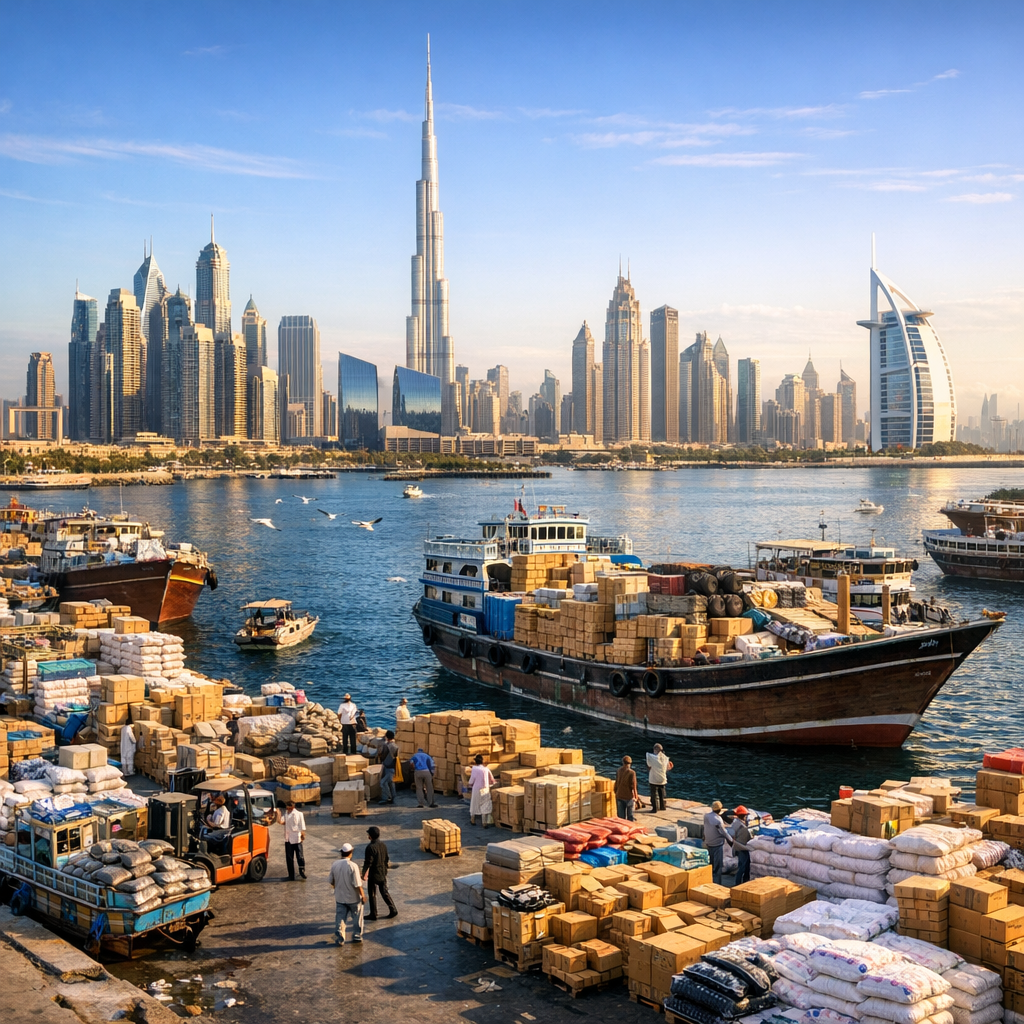
For Dubai, these global trends carry significant implications. The emirate’s economy is closely tied to international trade, tourism, and investment flows. A slowdown in global growth could affect trade volumes and foreign direct investment. However, Dubai’s strategic initiatives in diversifying its economy, particularly through investments in technology and infrastructure, position it to navigate these challenges effectively.
Moreover, Dubai’s status as a global business hub may attract companies seeking a stable environment amid global uncertainties. The emirate’s proactive policies and strategic location continue to make it a favorable destination for international business and tourism.
In conclusion, while global economic trends present certain challenges, Dubai’s diversified economy and strategic initiatives provide a solid foundation to adapt and thrive in the evolving global landscape.