

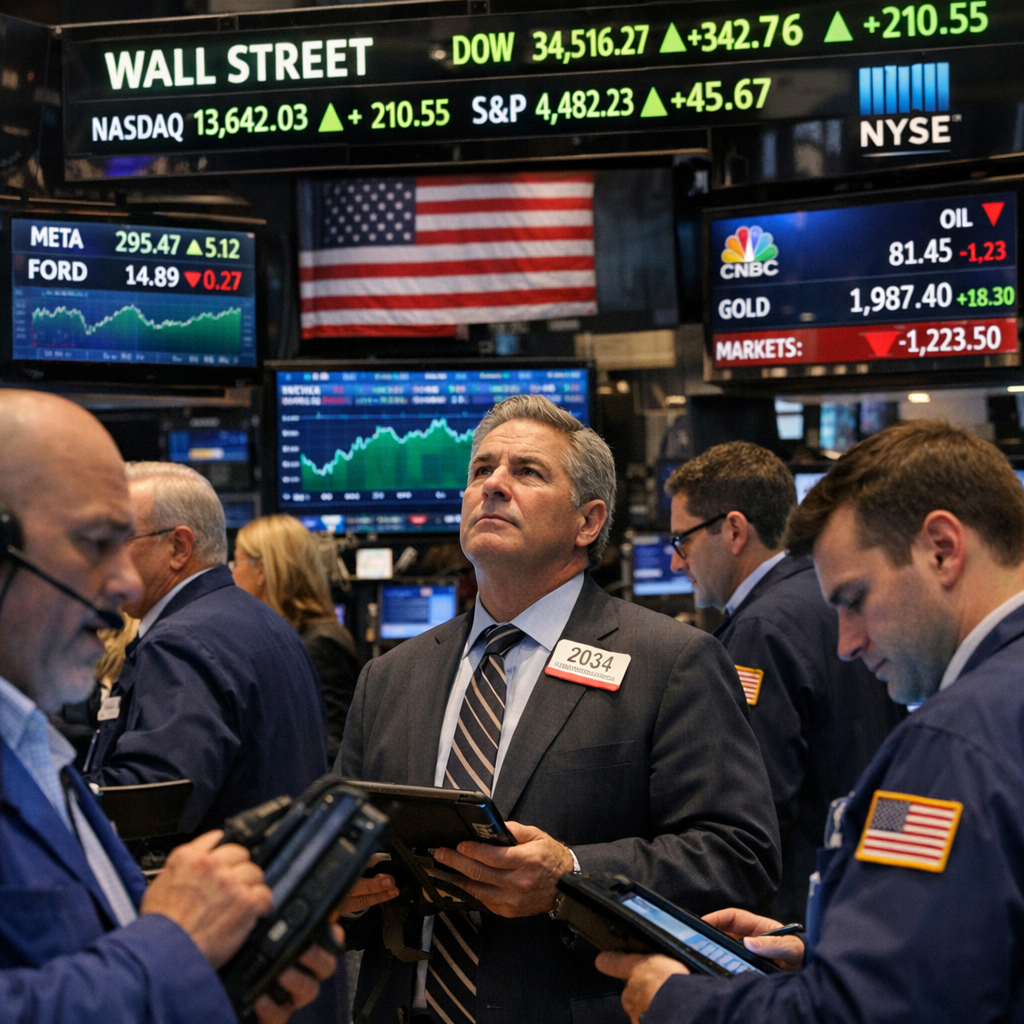
The United States economy, a pivotal force in global markets, is currently navigating a series of complex challenges that have significant implications both domestically and internationally.
Inflation and Monetary Policy
Inflation rates have been a focal point for policymakers and economists alike. Recent data indicates a year-on-year increase of 3.3% in consumer prices, largely driven by escalating energy costs. This surge has prompted the Federal Reserve to maintain interest rates at their current levels, with projections suggesting potential rate hikes later this year to curb inflationary pressures.
Employment and Labor Market Dynamics
The labor market presents a mixed picture. While job creation continues, the pace has decelerated, and long-term unemployment rates have seen an uptick. This trend raises concerns about the sustainability of economic growth and the well-being of the workforce.
Trade Policies and International Relations
Trade tensions remain a significant factor influencing the U.S. economy. The administration’s decision to impose a 50% tariff on Canadian goods, citing disputes over the automotive and alcohol sectors, has introduced new complexities into North American trade relations. Additionally, ongoing negotiations to renew the North American trade pact with Canada and Mexico are testing the resilience of trilateral agreements.
National Debt and Fiscal Responsibility
The national debt has reached unprecedented levels, surpassing $38 trillion. Financial leaders have expressed concerns that markets may be underestimating the potential risks associated with this ballooning debt, emphasizing the need for fiscal discipline to maintain economic stability.
Global Implications
For international partners, including those in the United Arab Emirates, these developments warrant close attention. The U.S. economy’s trajectory influences global trade patterns, investment flows, and economic policies worldwide. Understanding these dynamics is crucial for businesses and policymakers aiming to navigate the interconnected global economy effectively.
In conclusion, the U.S. economy stands at a crossroads, facing internal challenges and external pressures. The decisions made in the coming months will have far-reaching consequences, underscoring the importance of informed and strategic policymaking.