

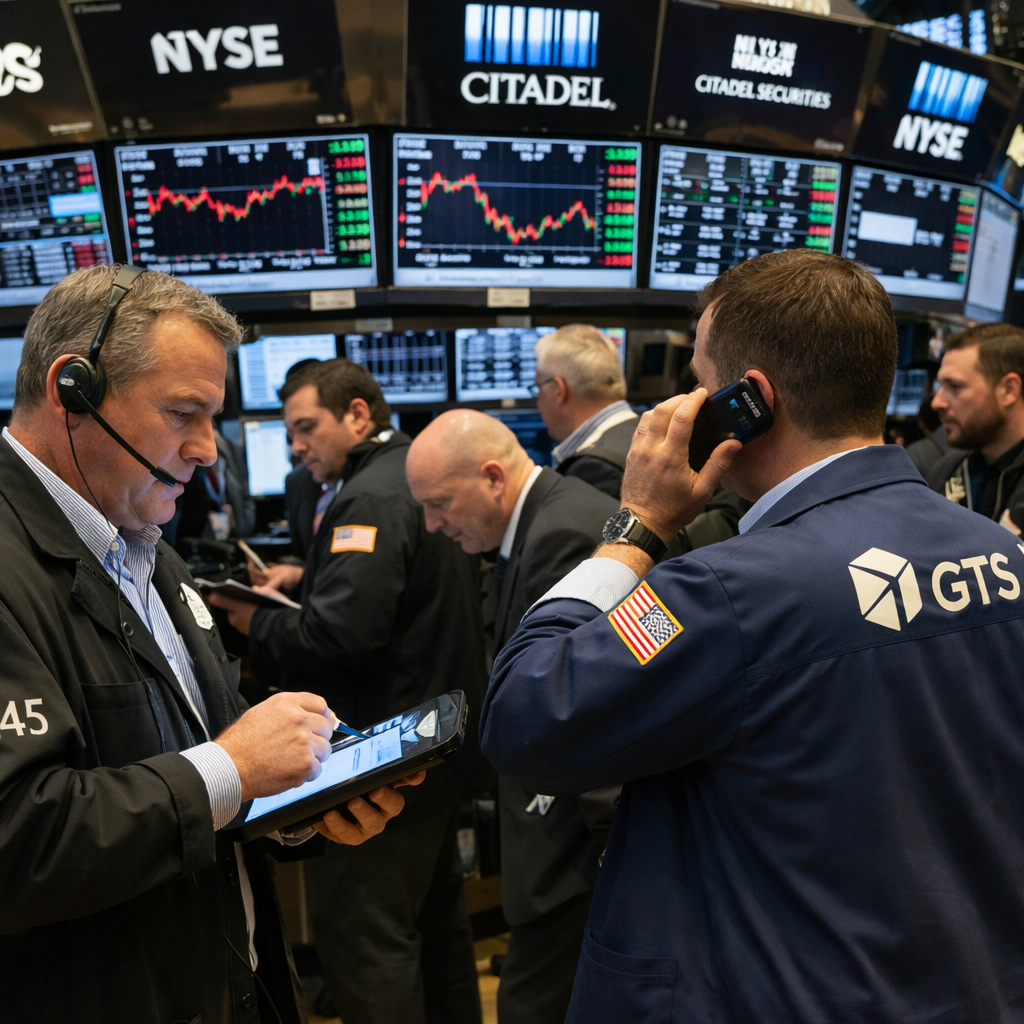
The United States economy, a pivotal force in global markets, is currently navigating a series of intricate challenges that have significant implications both domestically and internationally. Understanding these dynamics is essential for stakeholders worldwide.
Inflationary Pressures and Monetary Policy
Recent data indicates a notable rise in U.S. inflation rates, with consumer prices increasing by 3.3% year-on-year as of March 2026. This uptick is largely attributed to escalating energy costs, a consequence of geopolitical tensions in the Middle East. In response, the Federal Reserve has maintained interest rates but signaled potential hikes later this year to curb inflationary trends.
Trade Policies and International Relations
The U.S. administration has implemented a 50% tariff on Canadian goods, citing disputes over the automotive and alcohol sectors. This move has introduced new complexities into North American trade relations, potentially affecting supply chains and market dynamics.
Labor Market Dynamics
The labor market presents a mixed picture. While job openings remain robust, there is a discernible slowdown in hiring rates. This trend suggests that businesses are adopting a cautious approach amid economic uncertainties, balancing the need for talent with the challenges posed by the current economic climate.
Global Economic Outlook
The International Monetary Fund’s April 2026 World Economic Outlook projects a slowdown in global growth to 3.1% for the year, influenced by ongoing conflicts and rising commodity prices. The report emphasizes the interconnectedness of global economies and the potential ripple effects of U.S. economic policies on international markets.
Implications for the Middle East
For regions like the Middle East, these developments are particularly pertinent. Fluctuations in U.S. economic policies, especially those related to trade and energy, can have cascading effects on global oil prices and investment flows. Stakeholders in the region should closely monitor these trends to adapt their strategies accordingly.
In conclusion, the U.S. economy is at a critical juncture, influenced by a confluence of domestic policies and global events. Staying informed and agile will be key for businesses and policymakers aiming to navigate this complex landscape.