

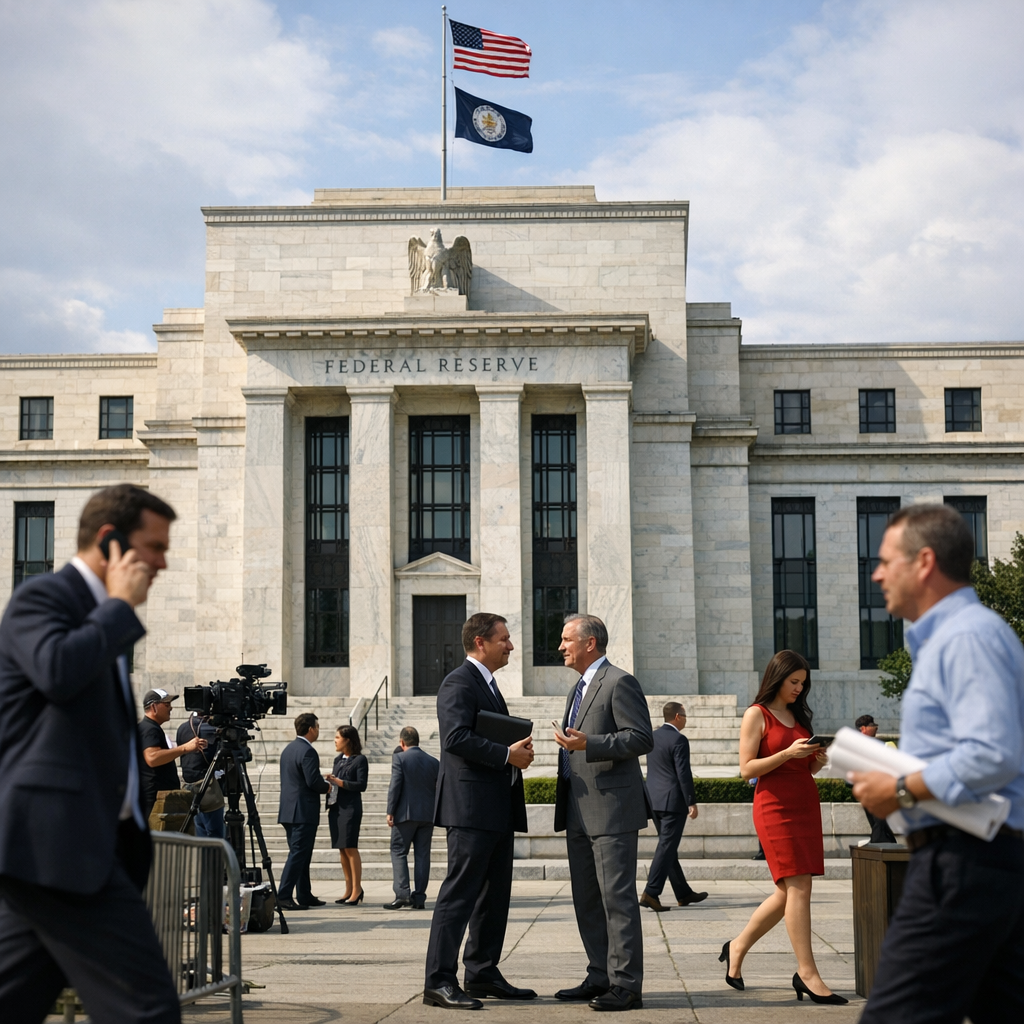
The United States economy, a pivotal force in global markets, is currently navigating a series of complex challenges that have significant implications both domestically and internationally.
Economic Growth and Inflation
Recent data indicates that the U.S. economy is experiencing moderate growth. The International Monetary Fund (IMF) projects a 2.4% increase in the U.S. gross domestic product (GDP) for the fourth quarter of 2026, up from 2.2% the previous year. Concurrently, inflation rates have risen to 4.2%, influenced by various factors including global energy price fluctuations and domestic policy decisions.
Labor Market Dynamics
The labor market presents a mixed picture. While the unemployment rate has decreased to 4.1%, job creation has shown signs of slowing. In July, the economy added only 73,000 jobs, a figure that fell short of expectations and raised concerns about the sustainability of employment growth.
Fiscal Policy and National Debt
Fiscal policy remains a contentious issue. The U.S. national debt has surpassed $38 trillion, prompting warnings from financial leaders about potential risks to economic stability. Larry Fink, CEO of BlackRock, emphasized that rising debt levels could lead to increased interest costs and erode market confidence.
Global Trade and Tariffs
Trade policies continue to impact the economy. The implementation of new tariffs has affected various industries, leading to increased costs for businesses and consumers. These measures have also influenced international trade relations, with potential long-term effects on global supply chains.
Political Landscape
The political environment adds another layer of complexity. Upcoming midterm elections are expected to influence economic policies, with debates focusing on issues such as taxation, healthcare, and infrastructure spending. The outcome of these elections could significantly shape the economic trajectory in the coming years.
Global Implications
Given the interconnectedness of the global economy, developments in the U.S. have far-reaching effects. Countries with close economic ties to the U.S., including those in the Middle East, must monitor these trends closely to anticipate potential impacts on trade, investment, and economic growth.
In conclusion, the U.S. economy is at a critical juncture, facing a confluence of domestic challenges and global uncertainties. Stakeholders worldwide should remain vigilant and adaptable to navigate the evolving economic landscape.