

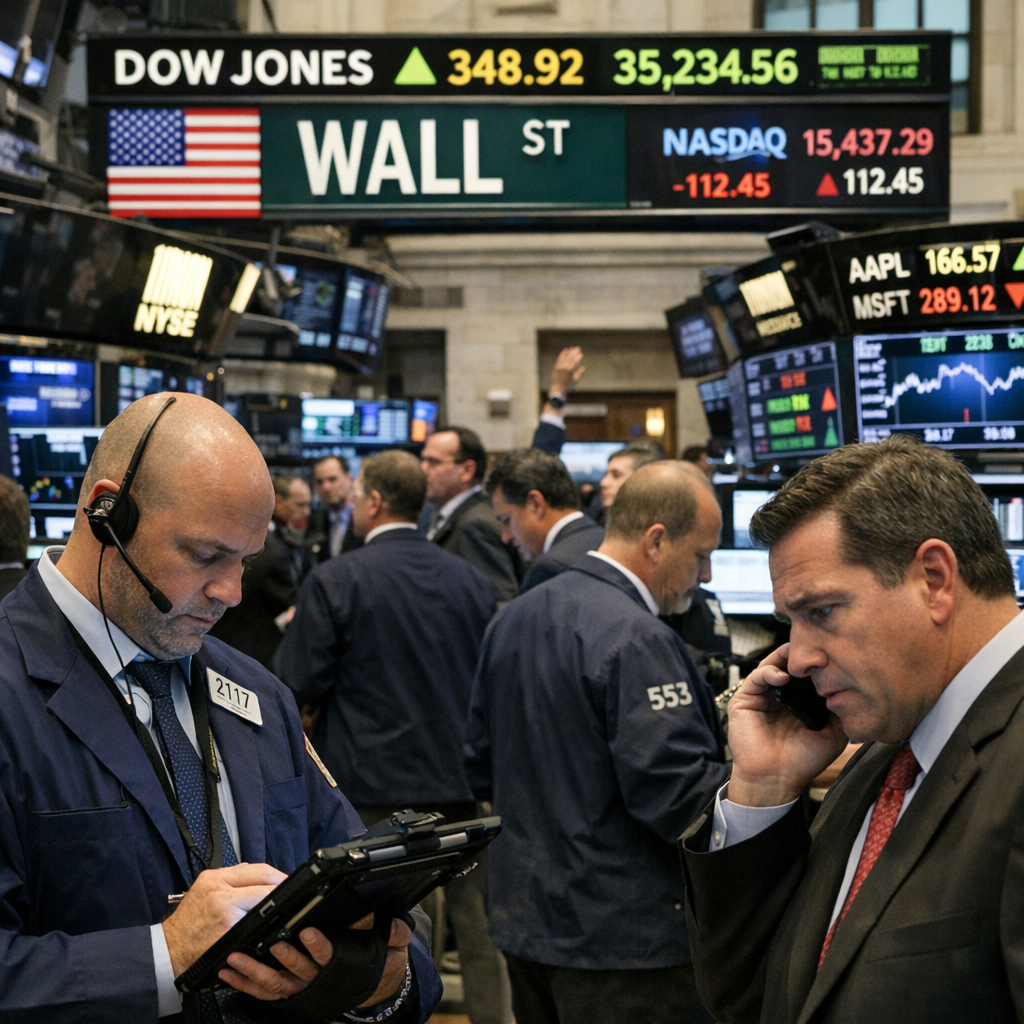
The United States economy, a pivotal force in global markets, is currently navigating a series of complex challenges that have significant implications both domestically and internationally.
Economic Growth and Inflation
Recent assessments indicate a deceleration in economic growth. The International Monetary Fund (IMF) projects global growth to slow to 3.1% in 2026, with inflation expected to rise modestly before resuming its decline in 2027. These projections are influenced by various factors, including geopolitical tensions and market uncertainties.
Rising National Debt
Concerns over the escalating U.S. national debt have been voiced by financial leaders. BlackRock CEO Larry Fink highlighted that the U.S. debt has surpassed $38 trillion, emphasizing that markets may be underestimating the potential risks associated with such high levels of debt. He warned that rising debt could elevate interest costs, threaten investor confidence, and lead to rapid shifts in borrowing costs.
Labor Market Dynamics
The U.S. labor market is exhibiting signs of strain. Recent data shows a slowdown in job creation, with the economy adding fewer jobs than anticipated. This trend raises concerns about the sustainability of employment growth and its impact on consumer spending and overall economic stability.
Global Implications
The challenges facing the U.S. economy have far-reaching effects. As a major player in the global market, economic fluctuations in the U.S. can influence international trade, investment flows, and economic policies worldwide. Countries with close economic ties to the U.S. may experience ripple effects, affecting their own economic stability and growth prospects.
Conclusion
Understanding the current state of the U.S. economy is crucial for global stakeholders. The interplay between domestic economic policies, global events, and market dynamics underscores the importance of vigilant monitoring and strategic planning to navigate these uncertain times.