

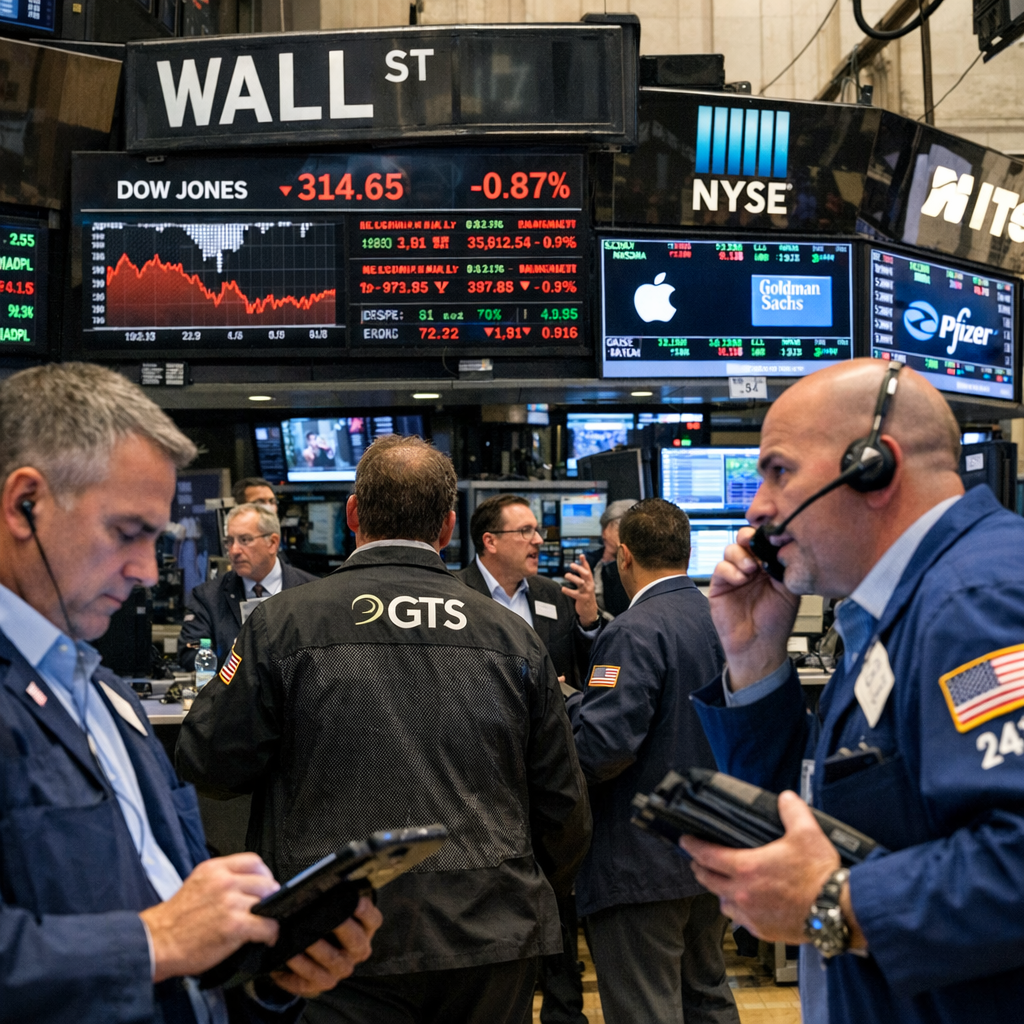
The United States economy, a pivotal force in global markets, is currently navigating a series of complex challenges that have significant implications both domestically and internationally.
Economic Growth and Inflation
Recent data indicates that the U.S. economy is experiencing a period of moderated growth. The International Monetary Fund (IMF) projects a 2.4% increase in gross domestic product (GDP) for the fourth quarter of 2026, a slight uptick from the previous year’s 2.2% growth. Concurrently, inflation rates have risen, with consumer prices climbing to a 3.3% year-on-year increase as of March 2026, influenced in part by escalating energy costs. This inflationary trend poses challenges for policymakers aiming to balance economic growth with price stability.
Labor Market Dynamics
The labor market presents a mixed picture. While the unemployment rate has decreased to 4.1%, job creation has shown signs of slowing. In July 2025, the economy added only 73,000 jobs, significantly below expectations. This slowdown raises concerns about the sustainability of employment growth and its potential impact on consumer spending and overall economic momentum.
Fiscal Policy and National Debt
Fiscal policy decisions are under scrutiny as the national debt surpasses $38 trillion. BlackRock CEO Larry Fink has highlighted the risks associated with rising debt levels, emphasizing that increased interest costs could crowd out other spending and necessitate difficult fiscal choices. The potential for rapid shifts in borrowing costs underscores the need for prudent fiscal management to maintain investor confidence and economic stability.
Global Trade and Tariffs
Trade policies continue to influence economic performance. The implementation of new tariffs has introduced uncertainties for businesses and consumers alike. While these measures aim to protect domestic industries, they also risk escalating trade tensions and disrupting global supply chains, potentially leading to higher costs for consumers and retaliatory actions from trading partners.
Implications for Global Markets
The trajectory of the U.S. economy holds significant implications for global markets, including those in the United Arab Emirates. As a major trading partner and financial hub, the UAE is attuned to shifts in U.S. economic policy and performance. Fluctuations in U.S. interest rates, trade policies, and economic growth can influence global investment flows, commodity prices, and economic strategies worldwide.
In conclusion, the U.S. economy is at a critical juncture, facing challenges that require careful navigation. The outcomes of these economic policies and trends will not only shape the domestic landscape but also have far-reaching effects on the global economic environment.