

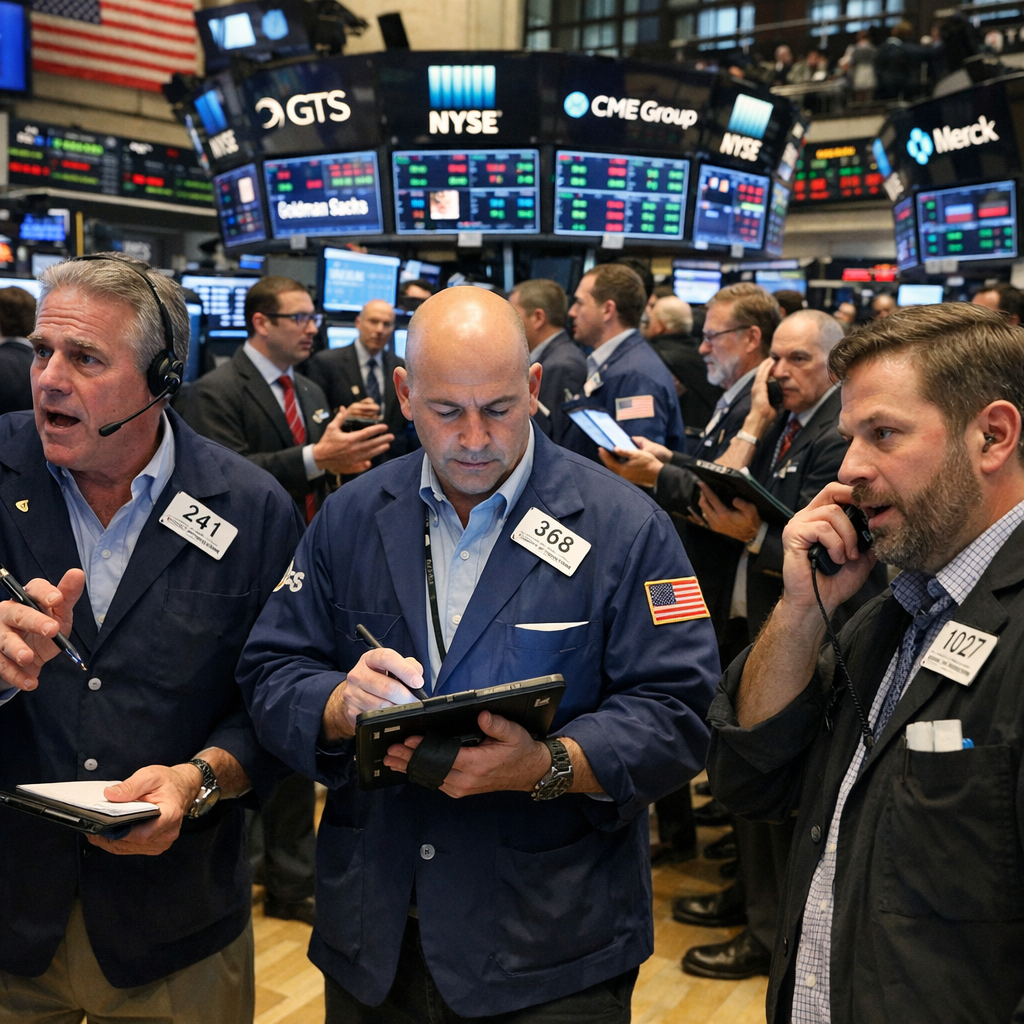
The United States economy has demonstrated notable resilience amid a dynamic political landscape during President Donald Trump’s second term. Despite policy shifts and global uncertainties, key economic indicators reflect a complex yet steady trajectory.
Economic Growth and Employment
In 2025, the U.S. economy expanded with a Gross Domestic Product (GDP) reaching $30.8 trillion, marking a 2.2% increase from the previous year. This growth aligns with the average annual rate observed between 2000 and 2024. The labor market remained robust, adding 115,000 jobs in April 2026, maintaining the unemployment rate at 4.3%. Notably, the economy has added more jobs since January 2026 than in the entire year of 2025.
Inflation and Consumer Sentiment
Inflation has been a focal point, with the Consumer Price Index (CPI) rising by 2.4% over the 12 months leading up to January 2026. While this indicates a slight decrease from previous periods, consumer sentiment has reached record lows. Many Americans express concerns over rising prices and the volatility of everyday expenses, particularly in essentials such as food, gas, and healthcare.
Trade Policies and Global Relations
The administration’s trade policies have introduced both opportunities and challenges. A recent federal court ruling overturned 10% tariffs, adding complexity for businesses and investors. While some sectors, like manufacturing in certain regions, have benefited from protectionist measures, others, notably agriculture, have faced increased costs and market uncertainties.
Fiscal Policies and National Debt
Fiscal policies enacted in 2025 provided a modest boost to economic activity, adding approximately 0.75% to the GDP level in 2026-27. However, these measures have also contributed to an increase in the federal deficit, which remains historically large at over 7% of GDP. Sustained fiscal consolidation is anticipated to be necessary to manage demand pressures and stabilize the debt ratio.
Looking Ahead
As the U.S. navigates these economic complexities, the interplay between policy decisions, global events, and domestic sentiment will continue to shape its economic landscape. Stakeholders remain vigilant, balancing optimism with caution as they assess the evolving economic environment.