

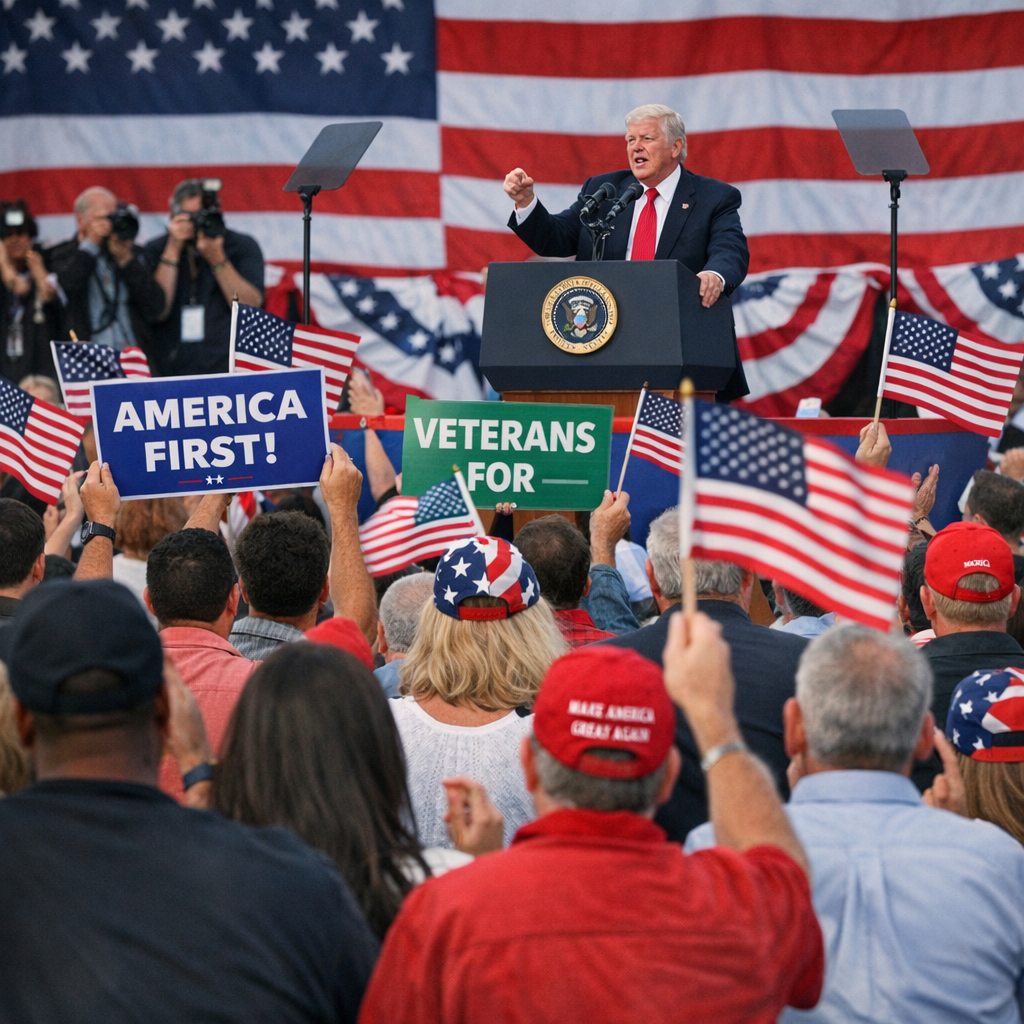
The United States continues to experience significant political and economic shifts, with recent developments influencing both domestic and international landscapes.
Political Climate and Public Sentiment
Recent polling indicates a heightened level of public concern regarding the U.S. political system. Approximately one-third of Americans identify politics and government as the nation’s most pressing issues, a sentiment more pronounced than in many other developed democracies. This anxiety is particularly evident among older demographics, while younger Americans express greater concern over economic challenges such as housing affordability and basic needs.
Economic Developments
The U.S. economy has shown resilience, with the International Monetary Fund (IMF) projecting a growth rate of 2.4% in the fourth quarter of 2026, up from 2.2% the previous year. Unemployment is expected to decline from 4.5% in late 2025 to 4.1% in 2026. However, the IMF warns of potential risks stemming from rising federal budget deficits and the impact of tariffs on global trade.
Inflation remains a concern, with consumer prices rising sharply in March, reaching a year-on-year increase of 3.3%. This surge is largely attributed to escalating energy costs following geopolitical tensions in the Middle East.
Implications for the Future
The interplay between political uncertainty and economic performance presents challenges for policymakers and citizens alike. Addressing public concerns about governance and implementing strategies to manage inflation and budget deficits will be crucial in maintaining economic stability and public trust.