

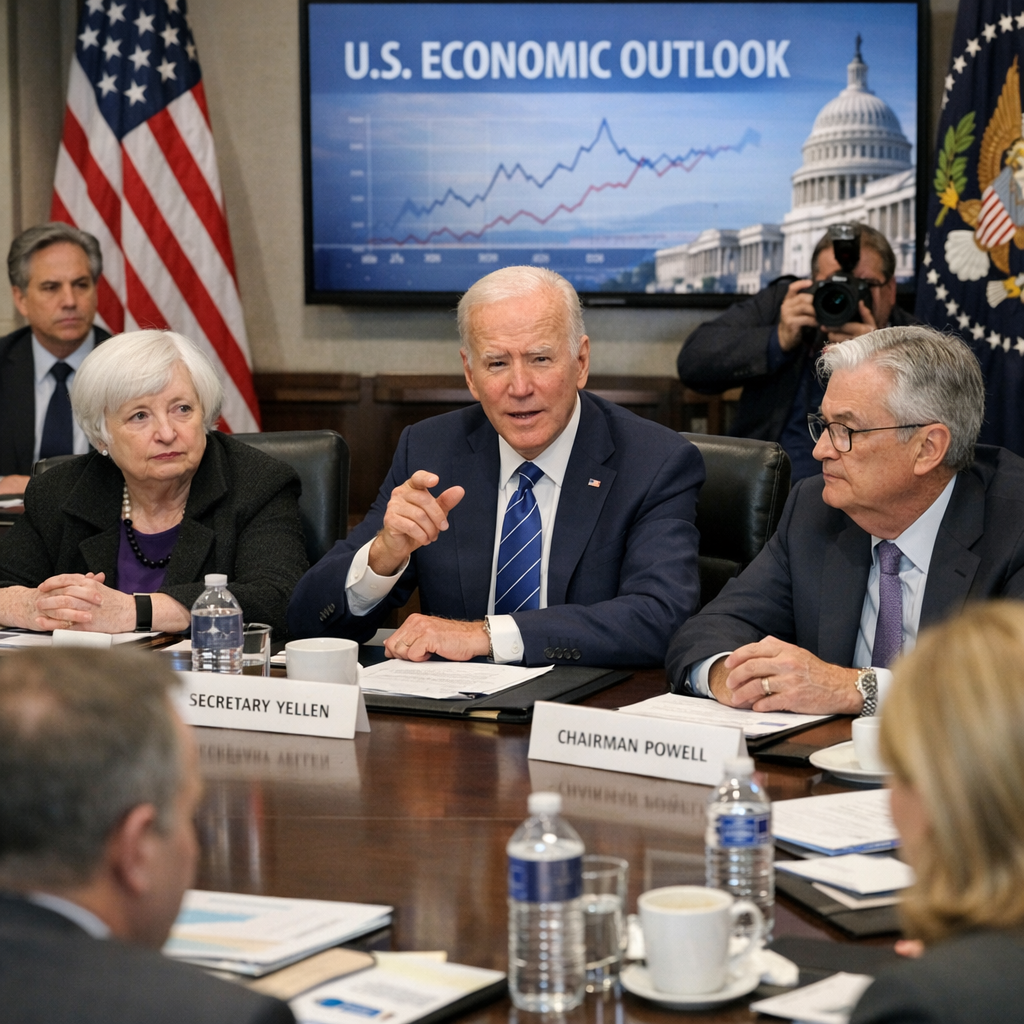
The United States continues to experience significant political and economic shifts, with developments that have far-reaching implications both domestically and internationally.
Political Developments
Recent political events have underscored the dynamic nature of U.S. governance. Notably, the Trump administration has been actively engaging in foreign policy initiatives, including meetings with international leaders to address ongoing conflicts. For instance, President Trump recently met with Ukrainian President Zelenskyy and Israeli Prime Minister Netanyahu to discuss critical issues affecting their regions. Such diplomatic efforts highlight the administration’s focus on international relations and conflict resolution.
Domestically, the political landscape is marked by ongoing debates and legislative actions. The administration has been involved in discussions regarding the imposition of tariffs on various countries, a move that has sparked both support and criticism. These tariffs are part of a broader strategy to address trade imbalances and protect domestic industries.
Economic Overview
The U.S. economy presents a mixed picture, with certain indicators showing resilience while others raise concerns. The labor market has demonstrated strength, with unemployment claims falling to levels not seen since 1969. This suggests a robust job market and economic stability.
However, challenges persist. Inflation remains a pressing issue, with rising prices affecting consumers nationwide. Reports indicate that one in five Americans are utilizing personal savings to cover grocery expenses, highlighting the financial strain on households. Additionally, the housing market is experiencing fluctuations, with mortgage rates climbing to their highest levels in nearly a year, impacting affordability for prospective homebuyers.
Global Implications
The United States’ political and economic decisions have significant global ramifications. Trade policies, such as the recent imposition of tariffs, influence international markets and can lead to shifts in global trade dynamics. Moreover, diplomatic engagements and foreign policy decisions play a crucial role in shaping international relations and geopolitical stability.
For observers in Dubai and the broader Middle East, understanding these developments is essential. The interconnectedness of global economies means that changes in U.S. policies can have direct and indirect effects on regional markets, trade relationships, and economic strategies.
In conclusion, staying informed about the evolving U.S. political and economic landscape is vital for comprehending the broader global context. As the United States navigates its internal and external challenges, the ripple effects will undoubtedly be felt worldwide, underscoring the importance of continuous monitoring and analysis.